Cost per ounce skincare math is one of the quickest ways to see whether a beautiful bottle is actually a good buy. A $28 moisturizer can be more economical than a $16 cream if the first contains twice as much product. The reverse is also common: a prestige serum in a heavy glass bottle can look generous on a shelf while delivering only 0.5 ounces.
I started tracking cost per ounce skincare prices after years of watching clients spend heavily on routines they replaced every few months. Price alone does not tell you whether a product earns its place. You also need the amount, how much you use per application, the formula’s ingredients, and whether you will realistically finish it.
The basic cost per ounce calculation
The formula is simple: divide the purchase price by the number of ounces in the package. A $24 cleanser containing 6 fluid ounces costs $4 per ounce. A $36 cleanser containing 4 ounces costs $9 per ounce, even though the sticker price is only $12 higher.
For products listed in milliliters, divide the milliliters by 29.57 to estimate fluid ounces. A 150 milliliter toner contains about 5.1 fluid ounces. If it costs $22, the cost is approximately $4.31 per ounce. You do not need laboratory precision; consistent comparison is what matters.
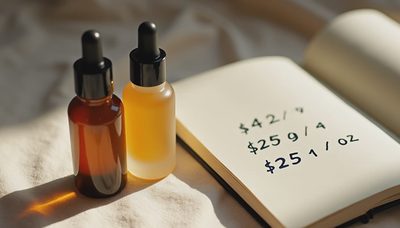
Watch for confusing package sizes. Many serums contain 30 milliliters, or roughly 1 fluid ounce, while eye creams often contain 15 milliliters. A $42 eye cream can therefore cost $84 per ounce. That may be reasonable if a tiny amount lasts six months, but it is not an inexpensive product simply because the jar looks substantial.
Promotional pricing deserves its own line in your notes. Compare the everyday price with the sale price, but do not treat a free cosmetic bag as a discount on the formula. Loyalty points and subscription savings can lower your actual cost, while shipping can raise it.
Cost per ounce skincare comparisons that change the picture
Consider three basic moisturizers. Product A costs $18 for 4 ounces, or $4.50 per ounce. Product B costs $32 for 2 ounces, or $16 per ounce. Product C costs $58 for 1.7 ounces, or about $34.12 per ounce. Product C is not automatically a poor choice. It could contain a carefully designed barrier-supporting formula with ceramides, glycerin, and fatty acids, and you might use less than a pea-sized amount.
This is where cost per ounce skincare becomes more useful than a simple winner-and-loser ranking. If Product A requires a quarter-size scoop twice daily and lasts eight weeks, while Product C uses a pea-sized amount and lasts five months, the daily cost may be closer than the shelf math suggests. Track both measurements when testing: package price and days of use.
Cleansers often look affordable because people use them quickly. A 6-ounce $26 cleanser costs $4.33 per ounce, but a generous pump twice a day may empty it in six weeks. A 4-ounce $20 cleanser costs $5 per ounce, yet a single pump may last ten weeks. Your hands, pump design, and cleansing habits affect the final result.
Expensive products can earn their price when the texture encourages consistent use, the packaging protects light-sensitive ingredients, or the formula replaces several steps. They do not earn it merely because the jar is heavy or the product has a fashionable name.
Read the label before judging the price
Ingredient lists provide context for the number. Glycerin is a humectant that helps attract water. Squalane gives a lightweight, silky feel and supports a comfortable finish. Petrolatum is highly occlusive, meaning it helps reduce water loss from the skin. None of these ingredients needs a luxury price tag, but a formula can still be pleasant, stable, and well made.
For a serum, look at the first several ingredients rather than hunting for one exciting word near the bottom. Water, propanediol, glycerin, and a clearly identified active can indicate a hydrating base. A product with a small amount of a trendy extract may not justify a much higher price if the rest of the formula resembles a less expensive option.
Packaging also belongs in the calculation. An airless pump can help limit repeated exposure to air and fingers. A wide-mouth jar is convenient, but it requires clean hands and exposes the formula each time. This does not make one package universally better. It tells you what you are paying for and whether it suits your routine.
When comparing cost per ounce skincare products, place similar products beside one another. Compare cleanser with cleanser, leave-on serum with leave-on serum, and moisturizer with moisturizer. Comparing a rich night cream with a watery essence produces a number but not a useful buying decision.
Calculate the cost of your actual routine
A better budget uses daily cost. Suppose a $30 moisturizer lasts 90 days. That is about 33 cents per day. A $72 moisturizer that lasts 240 days costs 30 cents per day, despite the higher upfront price. The second product is cheaper in use, but only if you like it enough to apply it consistently.
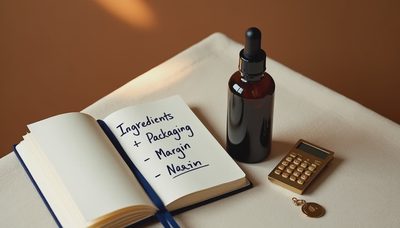
Write down the date you open each product. Mark the fill level after 30 days, then again at 60 days. For pumps, count applications during the first week and estimate the monthly total. This small spreadsheet is more reliable than memory, especially when you rotate products or use a richer cream only at night.
You can also calculate the monthly routine. A $25 cleanser used for two months costs $12.50 monthly. A $40 serum used for four months costs $10 monthly. Add moisturizer, sunscreen, and any treatment product to see where your spending actually goes. Many people focus on the serum price while quietly using three cleansers and four masks.
Cost per ounce skincare tracking is especially helpful during sales. Buy a backup only after recording how long the current product lasts and confirming the expiration or period-after-opening guidance. A 20 percent discount is not a saving if the unopened bottle sits unused while your preferences change.
When a higher cost is reasonable
Price can reflect more than ingredients. Research and development, stability testing, packaging, manufacturing standards, and a comfortable cosmetic finish all influence a product’s cost. A fragrance-free formula with a carefully balanced texture may be worth more to you than a cheaper product that stings or pills under sunscreen.
Still, premium pricing should produce a benefit you can identify. Maybe the product reduces your routine from five steps to three, spreads easily with half the amount, or remains comfortable through a dry winter. If you cannot name the benefit after several weeks of normal use, the cost deserves another look.
I also separate enjoyment from performance. A lightly scented cream can be a pleasure to use, and pleasure has value when it helps you maintain a routine. I just do not confuse a spa-like scent with proof that the formula is more effective. Learn the label, then choose.
A practical shopping checklist
Before buying, record the price, net contents, and cost per ounce skincare result. Then ask four questions. Is this product filling a specific gap? How much will I use each time? Does the ingredient list support the job I want it to do? Will the packaging make daily use easy?
Next, compare two or three alternatives from different price levels. A $12 drugstore lotion, a $28 midrange cream, and a $65 prestige formula may all have a place, but the comparison should be based on texture, ingredients, amount, and time used rather than reputation alone.
My final step is to wait 24 hours before purchasing a new category product. Add it to a note, calculate the cost, and check whether you already own something that performs the same job. That pause has saved me more money than any coupon code.
Cost per ounce skincare is not a command to buy the cheapest bottle. It is a way to make the price visible, test the value honestly, and spend more confidently when a product truly works for you.
No letters yet — be the first to write.