The Product Category Built on Hope
Eye cream is one of the most successfully marketed categories in skincare. The skin around the eyes is thinner, we are told. It needs special formulas. Regular moisturizer is too heavy or not targeted enough. The jars are small, the prices are high, and the claims are hopeful—fewer lines, less puffiness, brighter under-eyes.
I have recommended eye creams in the spa and I have used them myself. I have also watched plenty of clients spend money on them and see little change. So I ran a controlled test.
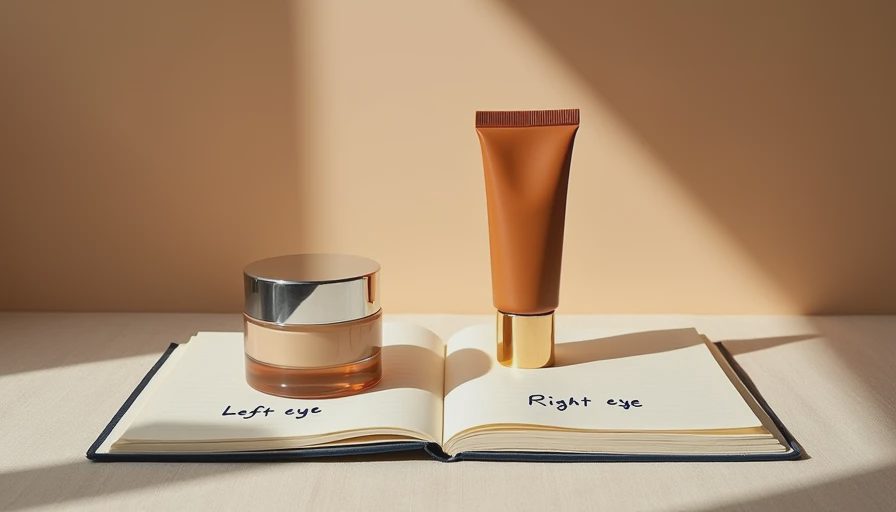
Left eye area: my regular face moisturizer (a simple ceramide cream that I already know is non-irritating).
Right eye area: a well-reviewed dedicated eye cream in the mid-to-upper price range, applied exactly as directed.
Same cleanser, same everything else. Same gentle application with the ring finger. Photos in consistent morning light. Notes several times a week. One full month so any slower changes had time to appear.
Weeks 1–2: The Adjustment Phase
Days 1–7
Both sides felt fine. No stinging, no milia, no irritation. The eye cream had a lighter, more elegant texture and absorbed faster. The regular moisturizer felt slightly richer but settled well and never migrated into my eye.
Days 8–14
No visible difference in fine lines or darkness yet. The right side felt a little smoother to the touch in the morning. Makeup (when I wore it) applied similarly on both sides. I wrote in the log: “Texture win for the eye cream so far. Visible results still pending.”
Weeks 3–4: Where Things Settled
Days 15–21
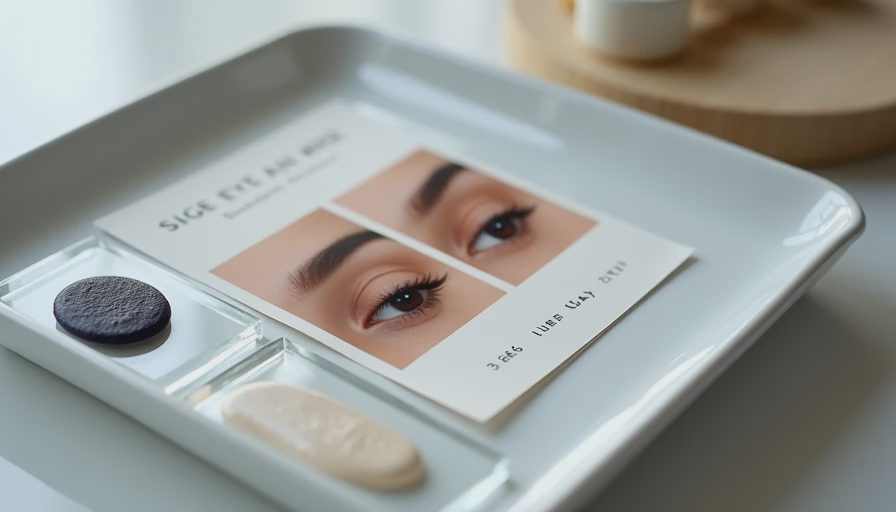
Under consistent lighting the right side looked marginally smoother. The difference was small—something I could see when studying the photos side by side, not something that jumped out in normal mirrors or to other people. Puffiness and under-eye darkness (my personal baseline issues) looked essentially the same on both sides.
Days 22–30
By the end of the month the dedicated eye cream maintained a slight edge in the look of fine texture. The regular moisturizer held its own on hydration and comfort. Neither side developed milia or irritation. Neither side produced a dramatic “before and after” change in lines or darkness.
If I had not been photographing and taking notes, I would have said both areas looked fine and I could not reliably tell which product was where.
The Honest Results
After thirty days:
Fine texture / smoothness: eye cream mild winner
Hydration and comfort: essentially equal
Puffiness: no meaningful difference
Under-eye darkness: no meaningful difference
Irritation or milia: none on either side
Makeup application: eye cream slightly nicer
Would a stranger notice? No
Would I notice without photos? Barely
The eye cream delivered a modest texture improvement and a more elegant feel. The regular moisturizer delivered perfectly adequate care for the eye area at a fraction of the cost.
Cost-Per-Ounce Reality
Dedicated eye creams are almost always sold in smaller jars or tubes (15 ml is common) at prices that make the cost per ounce dramatically higher than face moisturizer. A $60–80 eye cream can easily run $100–150+ per ounce. A good face moisturizer at $20–30 for 50 ml sits in a completely different value range.
You are paying for a lighter texture, marketing focused on the eye area, and the smaller package size. Sometimes you are also paying for specific ingredients (caffeine, peptides, mild retinol) at low percentages. In this test the performance gap did not come close to matching the price gap.
What I Tell People Now
If you enjoy the texture of an eye cream and the cost does not bother you, there is no harm in using one. Some formulas with caffeine can offer a temporary de-puffing effect that feels nice in the morning. A mild retinol eye product can be useful if you cannot tolerate retinol on the rest of your face.
For most people, a gentle, non-irritating face moisturizer already does the necessary job. Bring it up to the orbital bone carefully and stop there. The money saved can go toward sunscreen or a treatment that produces more visible change.
I still keep one lightweight eye cream on the testing bench for comparison purposes. In my personal routine I usually just use the face moisturizer. The one-month half-face data supports that choice for everyday needs.
Learn the label, then choose. Look at the actual ingredients, the cost per ounce, and whether your eye-area concerns are likely to respond to the formula. In many cases the “special” product is mostly a smaller, more expensive version of what you already own.
No letters yet — be the first to write.