When I test the best hyaluronic acid, I start with the label, texture, and cost per ounce. Plenty of serums look impressive in a dropper bottle and then feel sticky, pill under sunscreen, or need so much product that the price stops making sense. The good news is that a solid hydrator does not need a luxury tag. Once you know what to look for, you can spot a bottle that works for dry, normal, or combo skin in about two minutes.
How I judge the best hyaluronic acid
The best hyaluronic acid usually keeps the formula simple enough to do one job well: pull water into the upper layers of skin and help moisturizer do more. I look for hyaluronic acid or sodium hyaluronate near the top of the ingredient list, but I care just as much about glycerin, panthenol, ceramides, and whether the formula is fragrance-free. Glycerin is cheap and effective; it is a big reason some mid-priced serums feel better than pricier ones.
The texture matters because a serum you hate will not get used. A watery formula can disappear under sunscreen, while a thicker gel may be better for winter or a dry office. I also pay attention to the delivery system. Droppers are fine, but pumps are cleaner and easier to dose. One pea to nickel-size amount is usually enough. If you need half the bottle to stop the tight feeling, the math is already getting ugly.
Why ingredient lists beat marketing claims
A lot of bottles talk about hydration like it is a luxury feature. In reality, hyaluronic acid is one tool in a crowded toolbox. Some formulas combine several forms, like sodium hyaluronate and hydrolyzed hyaluronic acid, to change the skin feel. That does not automatically make them better. It just changes the texture. In my half-face comparisons, the winners usually pair humectants with something that keeps water from evaporating too fast, like dimethicone, squalane, or a moisturizer layered on top.
This is also where fragrance gets a vote. A lightly scented serum can be pleasant, but if you already use retinoids, vitamin C, or exfoliants, a simpler formula is easier to live with. One of the easiest mistakes is buying a pretty bottle because it says hydration on the front and never checking whether the formula is built for daily use. The best hyaluronic acid is boring in the best way: easy to spread, quick to absorb, and dependable under the rest of your routine.
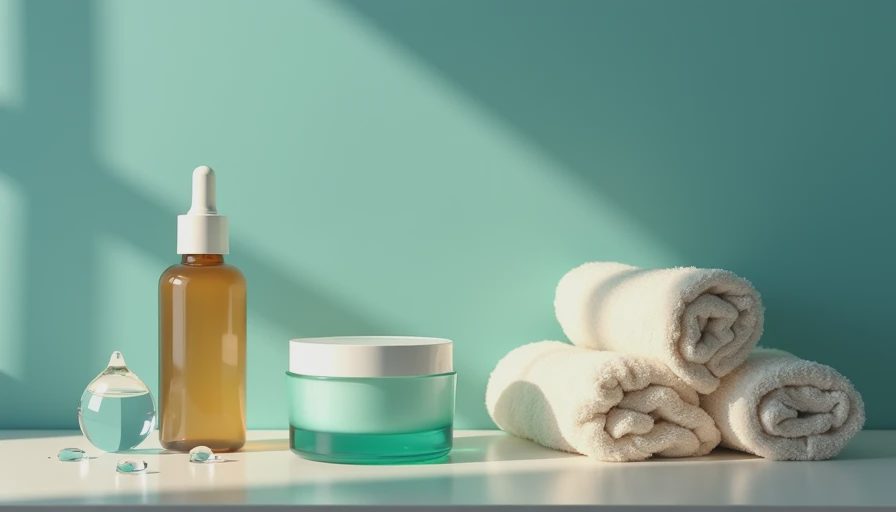
Cost per ounce changes the answer fast
This is the part most shoppers skip, and it is where the best hyaluronic acid often stops being the most expensive one. A 1 ounce bottle that costs $10 is different from a 1.7 ounce bottle that costs $35. The second bottle looks bigger. In your wallet, it is usually not. The Ordinary Hyaluronic Acid 2% + B5 tends to sit near $10 to $12 for about 1 ounce. Vichy Mineral 89 usually lands around $30 for 1.69 ounces. SkinCeuticals Hydrating B5 is excellent, but it lives in a much higher price tier.
When I write notes after testing, I look at two numbers: what the bottle costs and how long I keep using it. A serum that costs $28 and lasts six weeks is not automatically better than a $12 bottle that lasts three months. If your skin likes a formula and you will actually repurchase it, the cheaper cost per ounce usually wins. If a prestige serum genuinely feels better and keeps you consistent, the premium can be worth it.
How to use it so it actually hydrates
Hyaluronic acid works best when you give it water to hold on to. I apply it to slightly damp skin, then seal it with moisturizer. That simple step changes the feel more than people expect. On a dry Colorado day, I have seen a serum used on dry skin feel like it vanished before lunch, while the same serum on damp skin plus cream held up through an afternoon walk and a space heater.
If you wear sunscreen every day, hyaluronic acid slots in easily under it. In the morning, I like cleanser, serum, moisturizer, then SPF. At night, it can sit under a richer cream or sleep mask. If you use retinoids, it is a nice buffer layer when your skin is cranky. You do not need twenty steps. You need a formula you tolerate, enough water on the skin, and a moisturizer that locks it in.

My short list for different skin needs
If you want a budget pick, The Ordinary is still one of the easiest recommendations because the cost per ounce stays low and the formula gets the job done. If you want a silkier texture without jumping into luxury pricing, CeraVe Hydrating Hyaluronic Acid Serum and Neutrogena Hydro Boost style formulas are often easier to wear under makeup than thicker gels. For dry skin that wants a richer feel, Paula's Choice Hyaluronic Acid Booster and Vichy Mineral 89 can justify their spot if you use them daily. If you love a splurge, SkinCeuticals is a reasonable luxury buy when texture matters.
The point is not to chase the biggest claim on the box. It is to buy the bottle you will finish, because that is where skincare earns its keep. I look for simple formulas, smart packaging, and a price that still makes sense when you divide it by ounces and by how often you will reach for it. That is how I save people from paying prestige prices for a serum they will forget in a drawer. Learn the label, then choose. If you are shopping for the best hyaluronic acid today, start there and your cart will get a lot lighter.


No letters yet — be the first to write.