If you are shopping for the best hyaluronic acid serum, the first thing to know is that hydration is not the same as magic. Hyaluronic acid is a humectant, which means it helps pull water into the skin, but the formula around it decides whether your face looks cushioned or just sticky. I test products the same way I test anything else in skincare: on one half of the face, with a plain moisturizer over it, over several days. That lets me see whether a formula actually improves comfort, makeup wear, and tightness, or whether it is mostly pretty branding in a glass bottle.
What the label should actually say
The ingredient list matters more than the front of the bottle. If a serum starts with water, then includes glycerin, sodium hyaluronate, panthenol, beta glucan, or sodium PCA, that is a good sign. Those ingredients help water bind to skin and make the formula feel less like a splash and more like a real treatment. Glycerin, in particular, is the workhorse here. It is cheap, effective, and shows up in a lot of the formulas I end up respecting most.
A short ingredient list can be fine if you want something lightweight, but I do not love a serum that is basically water and hype. I also pay attention to fragrance and high alcohol content. Those are not automatic dealbreakers, but if your skin gets dry or stingy easily, simpler usually behaves better. When people ask me for the best hyaluronic acid serum, I look for a formula that hydrates without making me fight pilling under sunscreen or makeup.
How I test one side of the face
When I test the best hyaluronic acid serum, I do a straightforward half-face comparison for at least seven days. I cleanse, leave skin damp, apply the serum to one side, then use the same moisturizer on both sides. On my notes sheet, I track tightness by lunchtime, how foundation sits around the nose, and whether the skin still feels comfortable by evening. That kind of boring, repeatable testing tells you more than a single first impression ever will.
I also look at bottle size and price per ounce, because a $24 serum in a 1-ounce bottle and a $24 serum in a 2-ounce bottle are not the same purchase. The Ordinary, Good Molecules, and CeraVe usually live in the lower-price lane, while Vichy often sits in the midrange. SkinCeuticals is the kind of brand people pay for when they want a richer texture, a tighter formula, or a more elegant finish. Sometimes the expensive one is actually better. Sometimes it just has nicer packaging.

What price per ounce tells you
Cost per ounce clears up a lot of confusion fast. If a serum is $9 for 1 ounce, that is $9 per ounce. If another is $54 for 1.7 ounces, you are closer to $31.76 per ounce. That does not automatically make the pricier product bad; it just means you should know what you are paying for. In skincare, the extra dollars can go toward a better pump, a less tacky texture, a formula that layers cleanly, or supporting ingredients that make the bottle feel more complete.
The best hyaluronic acid serum is not always the cheapest bottle on the shelf, but it should earn its place. If a drugstore option gives you the same comfortable finish as a prestige serum, I am not going to invent a reason to spend more. On the other hand, if you hate the greasy feel of some budget formulas and want something that disappears under sunscreen, a more expensive pick can make sense. For me, the sweet spot is the one that keeps working after the first week, not just on day one.
Ingredients that pull their weight
Hyaluronic acid is usually not alone, and that is a good thing. Sodium hyaluronate is the salt form you see often on labels, and it tends to be easier to formulate. Panthenol adds a soft, cushioned feel. Ceramides help support the barrier, which matters if your skin gets dry from retinoids, cold air, or too many active products. Niacinamide can be helpful too, although I prefer it in moderate amounts because very high levels bother some faces.
I am also happy when a serum uses more than one humectant. A mix of glycerin, butylene glycol, and hyaluronic acid often feels better than a single hero ingredient doing all the work. That is why one bottle can feel plump and calm while another feels like it evaporates before you finish applying moisturizer. Good formulation is not glamorous, but it is what makes hydration actually show up on your skin.
How to use it so it works better
The easiest mistake is applying it to bone-dry skin and expecting drama. Put it on slightly damp skin, then seal it in with moisturizer within a minute or two. If your climate is dry, that step matters even more. In Boulder winters, I can feel the difference between a serum that is followed quickly by cream and one that is left hanging out by itself. The first one stays comfortable. The second one can leave skin tight again by afternoon.
Use less than you think you need. Two to three drops is often enough for the whole face. If a formula pills, the problem is usually too much product, not enough dry-down time, or a moisturizer that does not play well with it. If you wear makeup, test it under your base for a few days before calling it a keeper. A hydrating serum should make the surface smoother, not create a fight with your foundation.
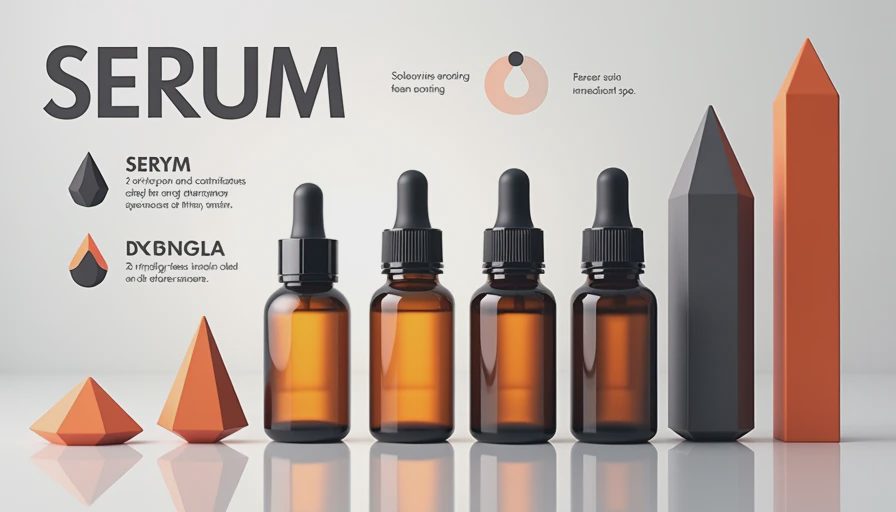
Which bottle fits which kind of shopper
If your skin is very dry, I would lean toward a serum with glycerin, panthenol, and maybe ceramides so you get more than a water grab. If your skin is oily but dehydrated, a lighter gel texture often feels better than a heavy serum, especially under SPF. If your skin is sensitive, skip the loud fragrance and go for the plain, quiet formula that behaves like a good underlayer instead of a showpiece.
For budget shoppers, the best move is often a simple bottle from The Ordinary, Good Molecules, or CeraVe, then spending the rest of your money on a moisturizer you truly like. For shoppers who want a more elegant feel, Vichy and SkinCeuticals are the kinds of brands that can justify a higher price when the texture and finish are genuinely better. For most people, the best hyaluronic acid serum is the one that hydrates, layers well, and does not ask for extra drama. Learn the label, then choose.


No letters yet — be the first to write.