Niacinamide benefits are one of those skincare topics that sounds simple until you stand in front of a shelf full of serums and wonder why one bottle is $7 and another is $52. I test a lot of products this way: half-face, same cleanser, same moisturizer, same number of days, and a spreadsheet that does not care about pretty packaging. The short version is that niacinamide is useful, but it is not a miracle. If you understand what it actually does, you can spend less, avoid irritation, and pick a formula that fits your skin instead of your feed.
What niacinamide actually is
Niacinamide is a form of vitamin B3, and in plain English it is a support ingredient. It is not the dramatic star that peels the top layer of your skin off and calls it glow. It works more quietly than that. In a routine, it can help support the skin barrier, reduce the look of redness, soften the appearance of uneven tone, and make skin look a little less reactive over time. It is also popular because it layers well with other ingredients, which means it shows up in serums, moisturizers, and even some sunscreens.
That wide use is part of why niacinamide benefits get talked about so much. Brands like it because it sounds active and useful without being harsh. I like it because it is one of the few ingredients that can make oily skin look less shiny and dry skin look less cranky at the same time, if the rest of the formula is decent.
The benefits that actually show up on skin
For most people, niacinamide benefits are subtle on day one and easier to see after a few weeks. If your T-zone turns slick by lunch, a well-formulated product can make that shine less obvious. If your skin gets red easily, it can help the overall look of calm. If you are dealing with post-breakout marks, the tone can look more even with steady use. I usually tell people to give it at least four weeks before they decide it is doing nothing.
This is also where concentration starts to matter. A lot of brands push 10% as if bigger automatically means better. Sometimes that works. Sometimes it is just too much, especially if your barrier is already stressed from acids, retinoids, over-cleansing, or too many active ingredients at once. I have seen skin look smoother and feel more comfortable from 2% to 5% formulas that were paired with glycerin, panthenol, or ceramides. The ingredient list matters as much as the headline number.
On my own bench, I have watched a lighter 5% serum calm midday shine on one side of the face while a 10% formula on the other side felt tighter after cleansing. That is the part people skip when they chase buzzwords. The best niacinamide benefits usually come from the formula, not just the percentage.
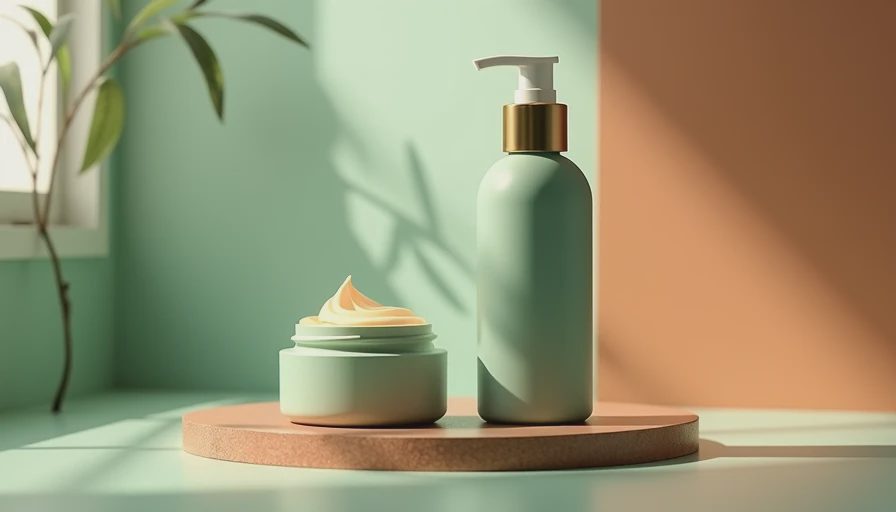
How to shop without paying for a tiny bottle
When I look at niacinamide benefits versus price, I start with cost per ounce, not the sticker price. A $7 bottle in a full ounce size is one thing. A $52 booster in a 0.67-ounce tube is another. Both can be good, but they are not the same buy. The expensive option has to earn its spot through texture, mixability, or a stronger supporting formula.
The Ordinary Niacinamide 10% + Zinc 1% is the classic budget pick because it is cheap and easy to find. Around $7 for 30 mL makes it one of the lowest-cost ways to try the ingredient. Good Molecules also sits in the affordable lane. Naturium’s Niacinamide Serum usually lands higher but still reasonable, especially if you want a more polished texture. Paula’s Choice Niacinamide Booster is the splurge in this group, and it makes sense only if you want a small, flexible product you can blend into moisturizer or use as a targeted step.
What I look for beyond niacinamide itself is the rest of the formula. Glycerin adds water-binding support. Ceramides help the barrier. Panthenol is calming. If a brand gives you niacinamide and a lot of fragrance, that is not a win just because the label looks clean.
How to use it in a real routine
You do not need a complicated ritual to get good results. Cleanse, apply the serum, then moisturize. If you use vitamin C in the morning or a retinoid at night, niacinamide usually plays nicely with both. You do not need to separate them like they are feuding relatives. If your skin is sensitive, start every other day or use it under a bland moisturizer instead of stacking it with three other actives.
This is also where a lot of people waste money. They buy a high-strength bottle, use too much, and assume the ingredient is the problem when the real issue is the formula or the routine. If you are already using a moisturizer with niacinamide high on the ingredient list, you may not need a separate serum at all. That is especially true if your goal is gentle maintenance, not a project skin reset. Some of the best niacinamide benefits come from slow, boring consistency, not from a louder label.

A short shopping list by budget
If you want to test the ingredient without spending much, start with an affordable serum around the $6 to $12 range and give it 21 to 28 days. That is enough time to see whether your skin looks less oily or feels more balanced by the end of the day. If you want a midrange formula, look in the $15 to $25 range and pay attention to texture. A good serum should spread easily and disappear without pilling under moisturizer or makeup.
If you are shopping the pricier tier, make sure the bottle size makes sense. A compact booster can still be worth it if the formula is elegant and you will actually use it up. But a tiny bottle is not automatically luxury; sometimes it is just expensive skincare in a small package. The math matters.
My practical take is simple: start low, read the label, and only move up if the cheaper formula is not giving you what you need. If you want niacinamide benefits without paying for a tiny bottle and a glossy label, buy the formula that fits your skin and your routine first. Learn the label, then choose.


No letters yet — be the first to write.