An anti wrinkle serum is one of the most oversold products on a skincare shelf. Some bottles are basically scented water with a pretty label, and some are genuinely useful if you know what ingredients do the work. I test them the same way I test everything else: half-face comparisons, the same cleanser and moisturizer on both sides, and six to eight weeks before I call anything a win. The goal is not a miracle. The goal is to find a formula that gives you smoother-looking skin for the money, whether that means retinol, peptides, or a simple hydrator that keeps fine lines from shouting at you by noon. Learn the label, then choose.
What to look for in an anti wrinkle serum
The best formulas usually lean on a few ingredients instead of a giant trend soup. Retinol and other retinoids are still the heavy hitters for fine lines, though they can be irritating and should be introduced slowly. Peptides are the support player, not the star, but they can make a formula feel worth using every night. Hyaluronic acid, glycerin, panthenol, and niacinamide help skin hold water and look less crepey. If an anti wrinkle serum promises everything and lists fragrance high on the label, I get cautious. I want a clear job description: smooth, hydrate, or support turnover. One formula can do two of those well, but rarely all three at a luxury level.
Cost per ounce tells a more honest story
A $22 anti wrinkle serum can be a better buy than a $78 one if the active level is stronger and the bottle is the same size. Price per ounce matters because brands love shrinking the bottle while keeping the marketing language loud. A 1-ounce bottle at $24 is very different from a 1.7-ounce pump at $34, even though the shelf tag can make the second look more expensive. I like to do the math before I fall for packaging. The Ordinary, CeraVe, RoC, Olay, and Paula's Choice all sit in different lanes, but the comparison is simple: divide the shelf price by the fluid ounces and ask whether the texture, active level, and packaging justify it.

How I test one at home
For testing, I use one side of the face for the product and the other side for a control routine that stays boring on purpose. I look at how makeup sits over the formula, whether sunscreen pills on top of it, and whether the skin feels tight by noon. Over six weeks, the useful changes are usually small but real: less roughness at the outer eye, fewer dry patches around the mouth, and better slip under concealer. A product does not need to erase lines to earn a spot in the routine. It needs to justify the daily step and not fight the rest of the products already on the shelf. I also note scent, dispenser quality, and how much product I actually use in a month, because waste is a cost.
Who gets the best payoff
If your skin is dry, a serum with glycerin, squalane, ceramides, and a modest retinoid can feel better than a stronger treatment you only use twice a week. If your skin is oily or breakout-prone, a lighter gel texture with niacinamide and a lower-strength retinoid is often easier to stick with. If you are new to retinoids, start slow and keep the rest of the routine simple so you can tell what is helping and what is just creating irritation. If you want hydration more than active turnover, a humectant-heavy option can still soften the look of lines, especially under makeup and in dry weather.
A simple shopping checklist
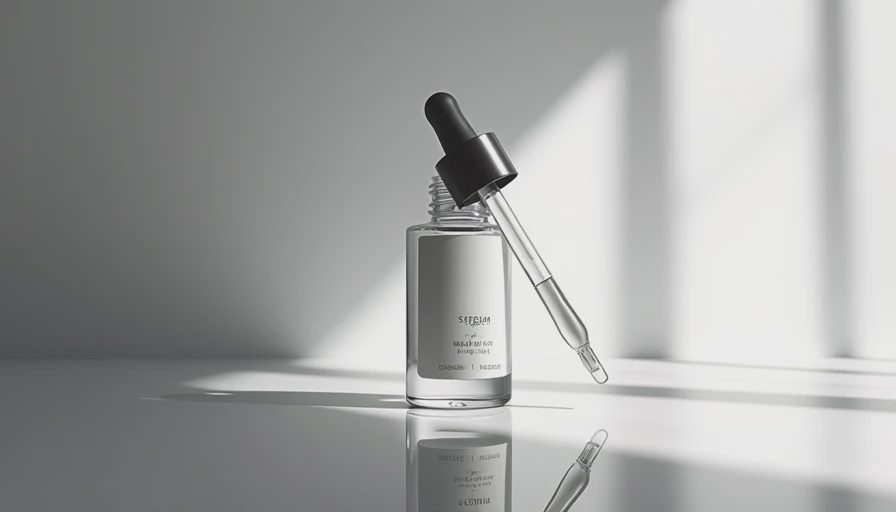
The best anti wrinkle serum for a specific budget is usually the one that matches your skin type, your patience, and your willingness to use it consistently. Check the active ingredient first, then the bottle size, then the packaging. Opaque bottles and airless pumps are better for retinol than clear droppers sitting under bright bathroom light. Look for a formula that feels comfortable enough to use most nights, because a great product that sits untouched is wasted money. I also pay attention to return policies at retailers like Sephora, Ulta, and Target, since a bottle that clashes with your skin on day four should not become an expensive decoration.
Final take
A truly good anti wrinkle serum is boring in the best way: clear actives, sensible packaging, and a price that makes sense per ounce. You do not need the fanciest label on the shelf, and you do not need to chase every trend bottle that shows up on your feed. Pick the formula that fits your skin, your budget, and the way you actually live. If you want fewer regrets in the skincare aisle, learn the label, then choose.
A real-world side-by-side with two anti wrinkle serum options
I once compared a $19 drugstore retinol serum with a $62 option from a prestige brand that promised peptides, niacinamide, and hyaluronic acid. The cheaper bottle won on simplicity because the airless pump kept the formula stable and the texture did not pill under sunscreen. The pricier one was nicer to use, but not twice as useful. That is the kind of decision that matters with anti wrinkle serum: pick the formula you can wear on most nights, not the one with the longest ingredient list. If the product stings, pills, or leaves you skipping applications, the better value is the one you will actually finish.


No letters yet — be the first to write.