When someone asks me for the best moisturizer for aging skin, I start with the label, not the marketing. On skin that is getting drier, less bouncy, or more easily irritated, the winning cream usually has one job: add water, keep water in, and leave the surface smoother by morning. In Boulder winters, I feel that shift fast, and I see it in clients too. A good moisturizer does not need a perfume counter story or a hero extract. It needs ingredients that pull in hydration, support the barrier, and feel good enough that you will use it every day. Learn the label, then choose.
How I judge the best moisturizer for aging skin
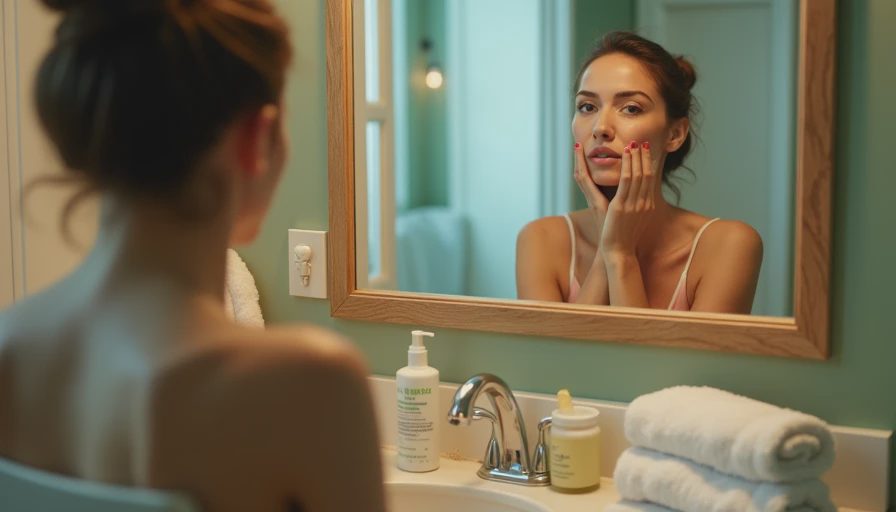
I test moisturizers the way a real person uses them, not the way a pretty jar wants to be photographed. That means a clean face, the same gentle cleanser, the same serum underneath, and one cream on each side of the face for at least 10 to 14 days. I look for three things: whether tightness fades within an hour, whether makeup sits better the next morning, and whether the formula pills under sunscreen. I also pay attention to how the skin feels around the nose, mouth, and cheeks, because that is where dryness shows up first. A formula can feel rich in the hand and still disappear by lunch. The reverse happens too: some light creams calm the skin better than heavy ones because they use the right humectants and barrier lipids.
Ingredients that earn shelf space
The boring ingredients are usually the ones I trust. Glycerin is the workhorse here. It pulls water into the outer layer of skin and shows up in everything from $12 drugstore creams to $80 luxury jars for a reason. Ceramides help reinforce the barrier, which matters when skin starts losing some of its natural cushioning with age. Cholesterol and fatty acids are useful partners because they help the formula act more like skin, not just sit on top of it. Dimethicone gives slip, reduces the rough feel of dry patches, and helps trap moisture without feeling greasy. Petrolatum is the heavy hitter when someone needs serious nighttime protection. Squalane is a nice middle ground if you want softness without a waxy finish. Urea is underrated for rough, flaky areas, and niacinamide can support the barrier while helping the overall look of the skin. If a cream is loaded with fragrance and plant extracts but light on these basics, I usually keep moving.
Cost per ounce is where the truth shows up
This is where the math gets useful. A 16-ounce tub of CeraVe Moisturizing Cream often lands around $18 to $22, which puts it near $1.13 to $1.38 per ounce. Vanicream Moisturizing Cream is often in a similar bargain zone, sometimes a little cheaper. That is very different from a 2.5-ounce face cream priced at $28 to $32, which lands around $11 to $13 per ounce. First Aid Beauty Ultra Repair Cream usually sits in the middle: richer texture, bigger jar than most face creams, but still several dollars per ounce instead of pocket change. La Roche-Posay Toleriane Double Repair is another good example. It is not cheap by the ounce, but it often earns its shelf space because the texture is elegant and it plays nicely under sunscreen. I do not treat price as a scorecard. I treat it as a question: are you paying for better packaging, better texture, or better performance? Sometimes the answer is yes. Sometimes you are paying for a scent and a prettier lid.
How I test a moisturizer on a real face
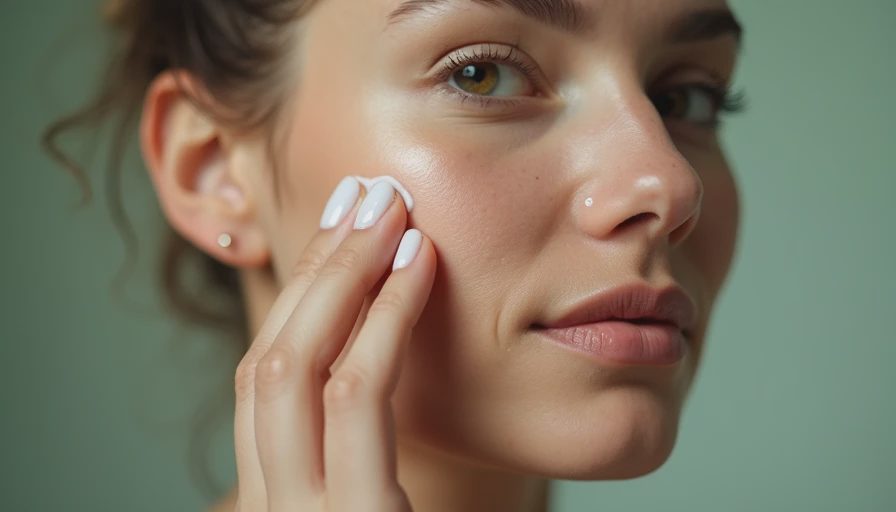
My half-face tests are simple, because skin changes do not need theatrical conditions to show up. I use the same cleanser at night, then apply one moisturizer to the left side and one to the right. In the morning, I look for fine lines that look less etched, flaking around the mouth, and that tight feeling after washing. By day three, I can usually tell whether a formula is doing enough or just sitting there. By day seven, I know if it gets along with sunscreen and makeup. If a cream pills with a common SPF, that matters. If it leaves a shiny film on an already oily T-zone, that matters too. The best formulas are not always the richest ones. Sometimes the better choice is the one that calms the skin without making it feel coated, which is especially useful if you want something for daytime.
A short list by texture and budget
If the best moisturizer for aging skin in your routine is a drugstore cream, that is not a downgrade. A $16 to $20 tub of Vanicream or CeraVe can outperform a much pricier jar if your skin wants bland, steady hydration and you do not care about a fancy finish. If you want a step up in feel, La Roche-Posay Toleriane Double Repair and Paula's Choice Omega+ Complex Moisturizer are both the kind of formulas I point to when someone wants more cushion without a heavy ointment vibe. If your face gets very dry in winter, First Aid Beauty Ultra Repair Cream or Skinfix Barrier+ can make sense because the texture is richer and the barrier support is more obvious. I usually tell people to choose based on texture first, then ingredient list, then price per ounce. That order saves money and avoids the drawer full of nearly-right creams.
How to use it so it actually works
The formula matters, but so does how you apply it. Put moisturizer on slightly damp skin so it has water to hold onto. Use enough to cover the face and neck without rubbing it thin. In the morning, let it settle before sunscreen so you do not create a slick layer that slides around. At night, if your skin is very dry, you can press a little more onto the corners of the nose, around the mouth, and over flaky spots. If fragrance bothers you, keep the ingredient list simple. If your skin changes with the season, let your moisturizer change too. A lighter lotion in July and a richer cream in January is not being inconsistent. It is being smart.
The real best moisturizer for aging skin is the one that fits your barrier, your climate, and your budget well enough that you will keep buying it. Learn the label, then choose.

No letters yet — be the first to write.