If you have ever stood in front of a skincare shelf wondering whether bha aha belongs in the same routine, you are in good company. Both are exfoliating acids, but they are not interchangeable. One is generally oil-soluble and useful for congested pores; the other is water-soluble and better known for working on surface texture and dullness. The label matters more than the dramatic claims on the front of the bottle.
I have tested enough acid toners, gels, masks, and serums to know that the most expensive option is not automatically the smartest buy. A $12 formula with a sensible ingredient list can outperform a $48 bottle that mostly sells you a pretty package. The goal is not to collect acids. It is to choose one that matches your skin, use it consistently, and leave enough room in your routine for your barrier to stay comfortable.
What bha aha actually means
BHA usually refers to beta hydroxy acid, most commonly salicylic acid in over-the-counter skincare. Because salicylic acid is oil-soluble, it can move through sebum around the pore opening. That makes it a logical choice for blackheads, visible congestion, and skin that feels oily by midday. It does not vacuum out pores, and it cannot permanently shrink them, but regular use can make the surface look clearer.
AHA means alpha hydroxy acid. The family includes glycolic acid, lactic acid, and mandelic acid. These ingredients work mainly on the skin’s surface by loosening the bonds between dead cells. Glycolic acid has a smaller molecular size and can feel more intense. Lactic acid is often a friendlier starting point for dry or easily irritated skin, while mandelic acid tends to be a slower, gentler option.
When a product says bha aha, it may contain both types in one formula, or the phrase may simply be used to describe an exfoliating category. Read the ingredient list and the acid percentages before deciding what you are buying. A product with salicylic acid near the end of the list is a different proposition from a clearly labeled 2 percent salicylic acid treatment.
Choosing between bha aha for your skin
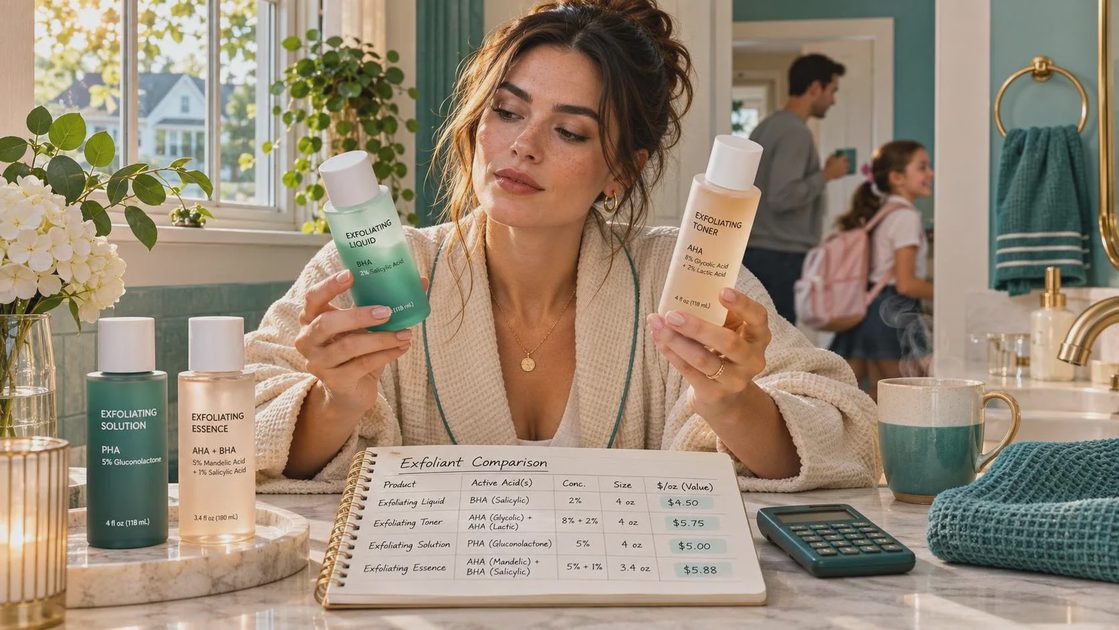
For clogged pores along the nose, chin, and forehead, I would usually start with a BHA product two nights per week. A lightweight liquid such as Paula’s Choice Skin Perfecting 2% BHA Liquid is a recognizable benchmark, although its price is higher than many drugstore alternatives. The useful comparison is cost per ounce: at roughly 4 ounces, a $35 bottle costs about $8.75 per ounce, while a $15, 2-ounce serum costs $7.50 per ounce. The cheaper bottle is not automatically better, but the math tells you what the premium buys.
For rough texture, flaky patches, or a generally dull appearance, an AHA may make more sense. The Ordinary Lactic Acid 5% plus HA is often inexpensive per ounce and gives shoppers a straightforward way to try lactic acid without committing to a luxury price. Glycolic acid can be effective, but I would not begin with a strong peel simply because the tingling feels productive. Tingling is a sensation, not a scorecard.
If your skin is dry, reactive, or already using a prescription retinoid, simplifying is usually the more intelligent move. Start with one acid, not a BHA cleanser, AHA toner, acid mask, and exfoliating pads stacked together. In my own testing, the routine that produced the calmest, most even result was rarely the one with the longest ingredient list.
How to build a bha aha routine
Use exfoliating acids at night after cleansing. Apply a thin layer to dry skin, then follow with a plain moisturizer. You do not need to neutralize a correctly formulated leave-on product unless the packaging specifically instructs you to rinse it. Avoid applying it directly after shaving, waxing, or vigorous scrubbing, when the skin is already more vulnerable to stinging.
A practical first-month schedule looks like this: use one product on Tuesday night, wait and observe, then use it again on Saturday if your skin remains comfortable. After two or three weeks, you can consider adding a third night. If you are using bha aha together, choose a product designed to combine them rather than layering separate strong formulas immediately. That makes the total exposure easier to track.
On non-acid nights, focus on cleanser, moisturizer, and sunscreen the next morning. Sunscreen is especially important because exfoliation can leave the surface more sensitive to sunlight. A broad-spectrum SPF 30 or higher is a sensible baseline. You can still use vitamin C in the morning if your skin tolerates it, but there is no prize for fitting every active into one day.
Ingredients that deserve a closer look
The headline acid is only part of the formula. Look for humectants such as glycerin or hyaluronic acid, which help attract water, and soothing ingredients such as panthenol or allantoin. These do not cancel out an overly strong acid, but they can make a product more comfortable. Fragrance is not automatically a dealbreaker, although I would be cautious if your skin already reacts to scented products.
With bha aha products, pH and concentration affect how the formula feels and performs, but a brand does not always disclose pH. That is why I pay attention to the complete experience: does the product leave lasting tightness, redness, or peeling, or does it allow normal moisturizer application afterward? A smooth first application is not enough; the skin’s response over seven to fourteen days is more useful.
Do not confuse a rinse-off acid cleanser with a leave-on serum. A cleanser has shorter contact time and is often easier for beginners, while a leave-on product generally delivers a more noticeable exfoliating effect. Neither is universally superior. If you are nervous, a gentle cleanser can be a reasonable entry point before spending $30 or more on a treatment.
Common mistakes that waste money
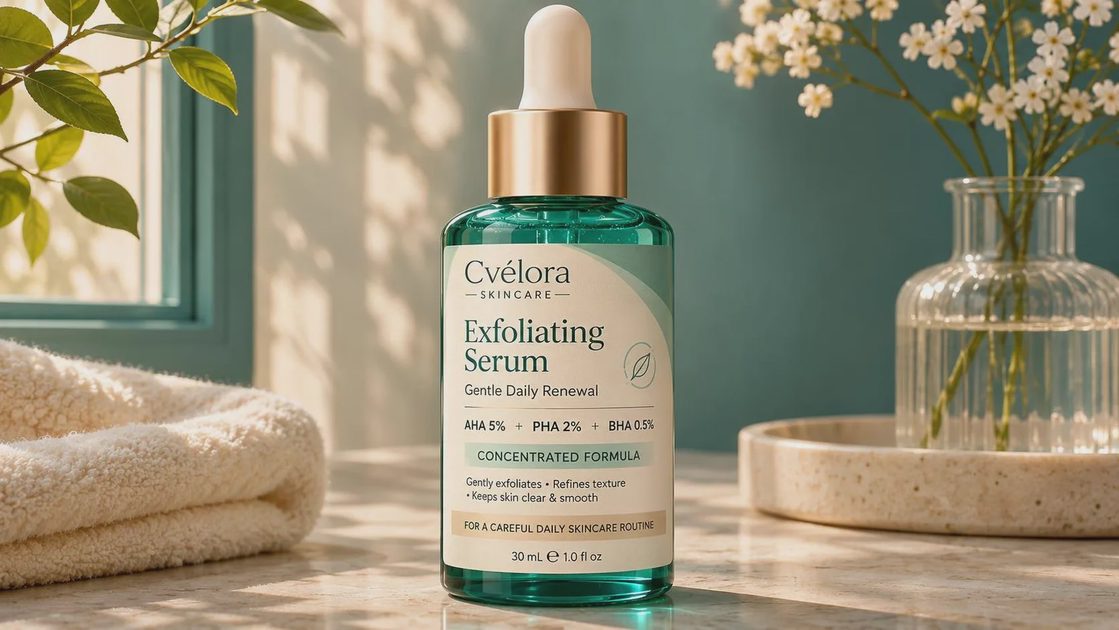
The first mistake is buying multiple products that do the same job. A $24 AHA toner, $18 exfoliating mask, and $32 resurfacing serum can quietly become a $74 experiment before you know which item caused irritation. Choose one active and use it long enough to judge it. Product hopping makes both your skin and your budget harder to read.
The second mistake is assuming daily use produces daily improvement. Exfoliation is not like brushing your teeth; more frequent application can create dryness without delivering a faster visible result. The third is ignoring moisturizer because the acid feels like the important step. A compromised-feeling barrier can make every later product sting, including a basic cleanser.
Finally, do not use a scrub on the same night as a strong acid just to feel extra clean. Physical friction and chemical exfoliation can be a rough combination. If your skin burns, becomes persistently red, or develops unusual peeling, stop the active and return to a simple routine until it settles. If symptoms continue, speak with a qualified medical professional.
My cost-conscious buying checklist
Before purchasing a bha aha product, check the active ingredient, concentration, bottle size, and directions. Divide the price by the fluid ounces so two products can be compared fairly. Then ask how often you realistically plan to use it. A $40, 4-ounce toner used twice weekly can last longer than a $16, 1-ounce serum that you apply too aggressively and abandon after ten days.
Also check whether you already own a similar product. If your cleanser contains salicylic acid and your moisturizer includes exfoliating acids, adding a separate treatment may not be necessary. The best routine is the one you can repeat without discomfort, not the one with the most impressive shelf.
For most beginners, I would select either a mild AHA or a modest BHA, patch test it, and record the start date. Take a photo in the same bathroom light every two weeks instead of inspecting your face under a magnifying mirror every morning. Look for fewer rough patches, less visible congestion, and comfortable skin—not instant perfection.
BHA and AHA can be useful tools, but they are not mandatory steps. Learn the label, then choose.

No letters yet — be the first to write.