The $80 Question I Get Asked Constantly
Someone holds up a sleek bottle and asks, “Is this actually worth eighty dollars?” Most of the time the answer they receive is a vague “it depends” or a glowing story about how it changed someone’s skin in three days. That is not useful.
I prefer numbers.
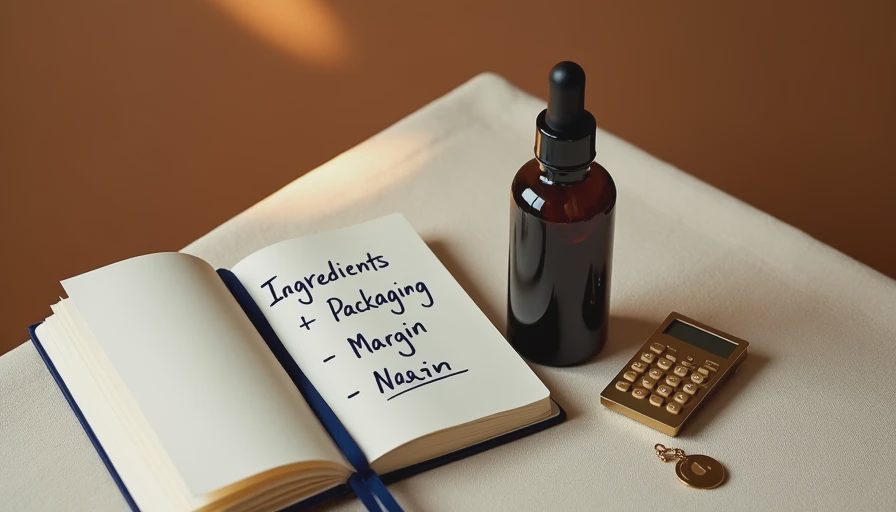
I took a typical mid-to-high $80 serum—the kind that sits in glass, comes in a heavy box, and promises brighter, smoother, more “radiant” skin—and broke it into what you are actually buying. Ingredient cost, packaging, brand overhead, retailer margin, and the rest. No brand names needed. The pattern repeats across most of the category.
This is the kind of math I started doing on the testing bench after I left the spa. Once you see the numbers, the marketing language gets quieter.
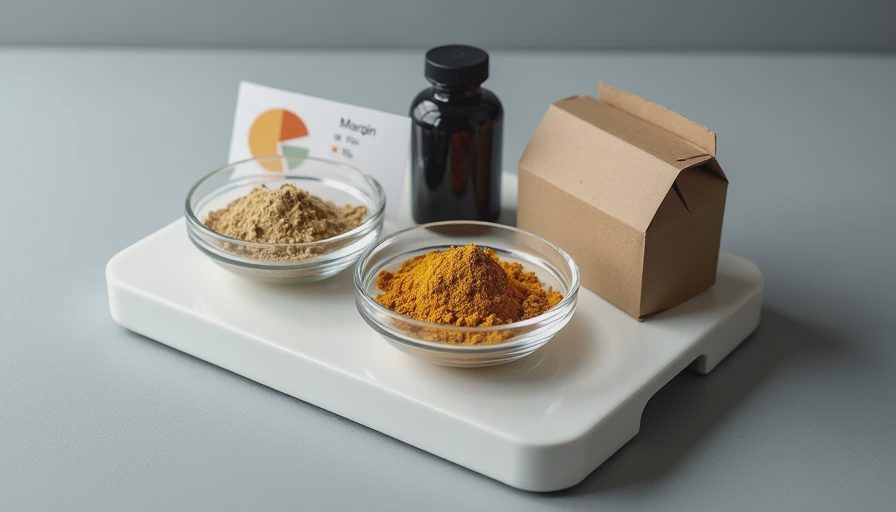
The Rough Breakdown of an $80 Serum
Let’s use a 30 ml (1 ounce) bottle priced at $80. That is a very common size and price point.
1. The formula itself (active + base ingredients)
For most serums the raw ingredient cost sits between $3 and $12 per bottle at scale. Even with nice actives—stable vitamin C derivatives, peptides, niacinamide, hyaluronic acid fragments—the actual molecules are not that expensive when bought in manufacturing quantities. A brand paying $20+ in pure ingredient cost for a 30 ml serum is rare unless they are using extremely high percentages of costly actives or very small-batch sourcing.
Realistic range I see: $4–10.
2. Packaging
This is where money starts moving. Dark glass bottle, quality dropper, outer carton, sometimes a secondary box or sleeve. Nice packaging can cost $3–8 per unit. Luxury-feeling glass and custom droppers push higher. Plastic or simpler glass stays lower.
3. Manufacturing, filling, testing, regulatory
Contract manufacturing, stability testing, microbiological testing, labeling compliance. Usually $2–6 per unit depending on volume and location.
4. Brand operating costs and profit
Marketing, photography, influencer seeding, website, salaries, warehouse, and the brand’s own margin. This chunk is often the largest. It is also the least visible to the customer.
5. Retailer margin
If the serum is sold at Sephora, a department store, or a med-spa, the retailer needs their cut. That can easily be 40–50% of the final price. Direct-to-consumer brands keep more of it, which is why some $80 serums feel more “honest” in formula than others at the same price.
Add those layers together and you begin to see why two serums with similar ingredient lists can sit $50 apart.
What the Extra Money Sometimes Buys
I am not anti-expensive. Some higher-priced serums earn part of the premium:
Better stabilization systems so the actives do not degrade in six weeks
Air-tight or UV-protective packaging that actually protects the formula
Clinical testing on the finished product rather than just the individual ingredients
Higher percentages of well-studied actives instead of fairy-dust amounts
Consistent batch quality
When those things are present, the price can make sense for someone who wants maximum probability of results and does not mind paying for the research and packaging integrity.
When those things are missing and the bottle still costs $80, you are mostly buying story, shelf presence, and margin.
How I Evaluate Any Serum Now
On the testing bench I ask four practical questions:
What is the key active and is the percentage disclosed?
Is the packaging actually protecting the formula (opaque, air-restrictive)?
Does the texture and finish make me want to use it every day?
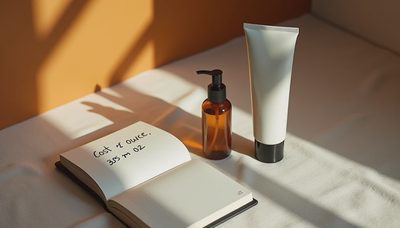
After cost-per-ounce math, does the expected result justify the number?
I have half-face tested $12 serums against $80+ versions. Sometimes the expensive one wins on texture and visible brightness. Sometimes the difference after four weeks is so small I would not pay the delta again. The spreadsheet does not care about the logo.
A Simple Cost-Per-Ounce Habit
Next time you are holding an $80 serum, do the thirty-second version:
Note the milliliters
Divide price by ounces (30 ml ≈ 1 oz)
Ask what you are receiving for that per-ounce number
Compare it to a simpler formula you already trust
You do not need a chemistry degree. You just need to stop letting the box do the thinking for you.
I still buy the occasional higher-priced serum when the formula, packaging, and data line up. I just no longer do it on hope. The cost-per-ounce column in my notes keeps me honest.
Learn the label, then choose. And when the label comes with an $80 price tag, make sure the math still feels reasonable after you strip away the story.
No letters yet — be the first to write.