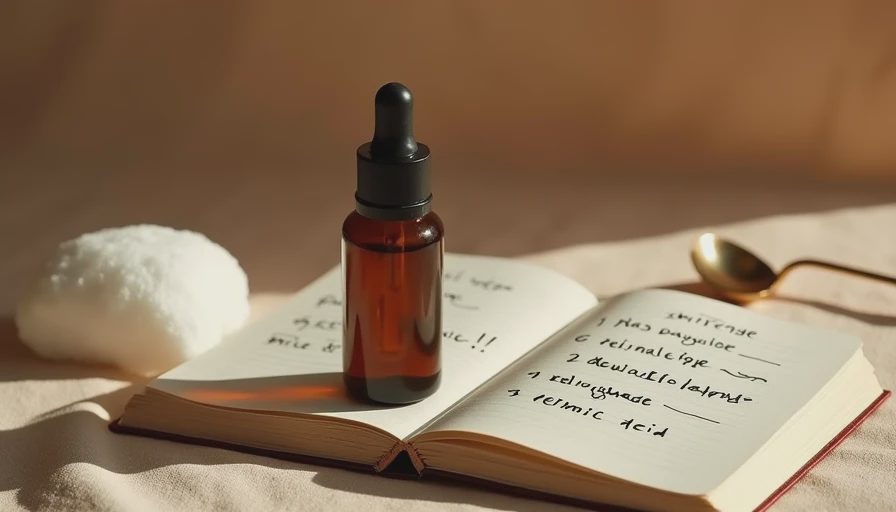
The Ingredient That Makes Everyone Nervous
Retinol has a reputation. People either treat it like liquid gold or like something that will peel their face off in three days. Both camps are half-right, which is why most of the advice floating around TikTok is useless.
I spent twelve years watching clients cycle through every retinol under the sun—drugstore, “medical-grade,” the ones that come in tiny dark glass bottles with price tags that make you blink twice. Some walked out with smoother texture and fewer breakouts. Others walked out with a moisture barrier so compromised they couldn’t wear sunscreen without stinging. The difference almost never came down to the brand. It came down to concentration, vehicle, and whether anyone had bothered to explain the actual rules.
So let’s skip the hype and the fear. Here’s what retinol does, why it only works at night, and how to decide if the bottle in your cart is worth the money.
What Retinol Actually Does (No Marketing Speak)
Retinol is a form of vitamin A. Once it hits your skin it converts—through a couple of enzyme steps—into retinoic acid, the active version your cells recognize. That active form does three main jobs:
It speeds up cell turnover. Dead cells shed faster, so the surface looks smoother and clogged pores have less time to become actual breakouts.
It tells fibroblasts to make more collagen. Over months (not days) that can improve firmness and soften fine lines.
It helps regulate oil production and fades post-inflammatory marks for a lot of people.
That’s it. It is not a miracle. It will not give you “glass skin” in a week. It will not erase deep wrinkles. It is a long-game ingredient that rewards consistency and punishes impatience.
I still remember the first time I put a 0.5% retinol on my own face after years of only using it on clients. Night three I woke up looking like I had mild sunburn. Night seven the flaking started. Night fourteen my skin looked better than it had in months. The spreadsheet notes from that month are still in the binder next to my testing bench.
Why It Only Works at Night
Retinol is light-sensitive and oxygen-sensitive. Leave a bottle sitting open on a sunny windowsill and you will slowly cook the active ingredient into something less useful. That is why every decent formula comes in opaque or dark glass packaging.
More important: retinol makes your skin more sensitive to UV. Using it in the morning without meticulous sunscreen is an invitation to irritation and pigmentation. I tell every client the same thing I tell myself: if you cannot commit to sunscreen every single day, skip the retinol. The risk is not worth the reward.
There is also the practical reason. Most people apply heavier, more occlusive products at night. Retinol likes a little help penetrating, and a good moisturizer layered on top reduces the chance of pure irritation.
The Forms You Actually See on Labels
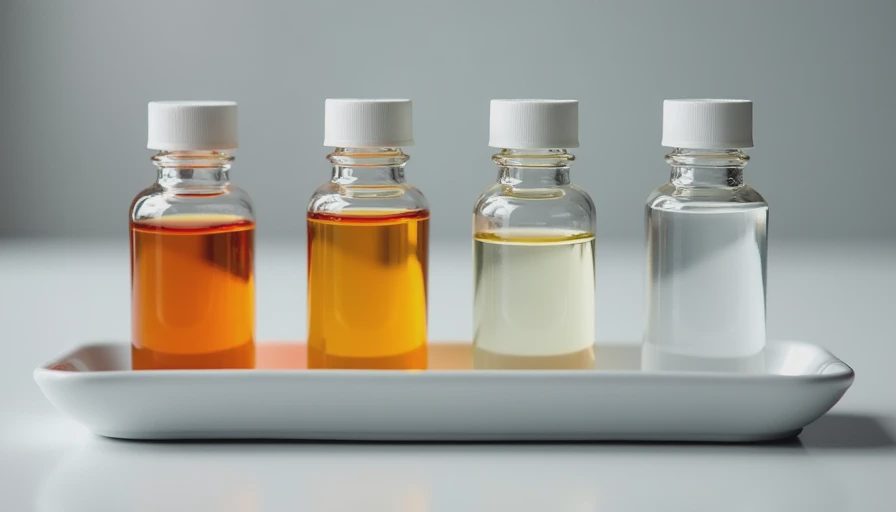
Not all “retinol” is created equal. Here’s the plain-English cheat sheet:
Retinol – the classic. Needs two conversion steps. Effective, widely studied, can be irritating at higher percentages.
Retinaldehyde (retinal) – one step closer to retinoic acid. Often stronger results with slightly less irritation for some people. Usually more expensive.
Retinyl palmitate / retinyl acetate – very gentle, very slow. Mostly useful in daytime products or for absolute beginners. Don’t expect dramatic change.
Prescription tretinoin – already retinoic acid. Strongest, most irritating, not something I can recommend or sell. That is dermatologist territory.
When I decode a label I look at the percentage (if they disclose it) and the position on the ingredient list. A product that lists “retinol” near the end after twenty other things is usually not going to move the needle.
How to Start Without Destroying Your Barrier
I have seen too many people jump straight to 1% every night because an influencer said “go big or go home.” That is how you end up with a compromised barrier and a three-week recovery routine.
My real-world protocol, tested on my own face and hundreds of clients:
Start with a low percentage (0.25–0.3%) two nights a week.
Buffer it—apply moisturizer first, then retinol, then another thin layer of moisturizer if needed.
Wait at least three to four weeks before adding a third night.
If you get redness or flaking that stings, stop for a few days, repair with ceramides and glycerin, then restart slower.
Never combine with strong AHAs/BHAs or pure vitamin C on the same night when you’re new.
The goal is results you can maintain for years, not a dramatic peel that forces you to quit.
Is the Expensive One Worth It?
Cost-per-ounce math matters here. A $12 drugstore retinol at 0.3% in a stable formula can outperform a $90 “luxury” version that hides the percentage and uses a fancy jar that lets light and air in every time you open it.
I have run half-face tests on this exact question. Sometimes the expensive one edges out on texture. Sometimes the difference is invisible and the only winner is the brand’s profit margin. That is why the Cost Per Ounce category exists on this site—so you can see the numbers before you spend.
The Bottom Line
Retinol is one of the few ingredients with decades of actual data behind it. Used correctly it is worth learning. Used like a trend it becomes an expensive way to irritate your face.
Learn the label, then choose. Check the form, the percentage if they give it, the packaging, and whether you are willing to wear sunscreen every day. If those boxes are checked, start low and stay consistent. Your future skin will thank you more than any single viral product ever will.


No letters yet — be the first to write.