If you have ever stared at retinol before and after photos and wondered why one looks dramatic and another looks fake, you are not alone. Most people are not comparing the same lighting, the same angle, or even the same routine. When I test retinol in my home studio, I care less about a flashy reveal and more about whether skin looks calmer, smoother, and less uneven after the first few weeks. That is where the real story lives.
What a believable retinol before and after timeline looks like
The most believable retinol before and after story is usually slow, not cinematic. In the first one to three weeks, many people notice dryness, tightness, or a little flaking around the nose and mouth. That is not a disaster; it is usually a sign that the skin is adjusting to a strong active and needs a gentler schedule. By weeks four to eight, the texture shift becomes easier to see. Foundation sits a little cleaner, closed-looking bumps look less stubborn, and the skin surface starts to feel less rough when you run a fingertip across it.
The bigger payoff usually shows up around the 8 to 12 week mark. Fine lines may look softer because the skin is holding onto moisture better and shedding dead cells more evenly. Dark marks do not disappear overnight, but a steady routine can help them look less obvious. If someone promises an overnight miracle, I assume the photo has better lighting, more makeup, or both.
One thing I tell readers all the time is that retinol is not a single experience. A creamy formula with glycerin and ceramides behaves very differently from a leaner serum that leans on solvents and a high active load. The label matters as much as the headline.
Why retinol before and after photos flatter some routines
The phrase retinol before and after gets tossed around like one photo can prove everything. It cannot. A dewy moisturizer, a tinted sunscreen, or even a more forgiving bathroom light can make skin look better before any real change has happened. That is why I trust unglamorous details more than a polished reveal.
If you want to judge a product honestly, look for consistency. Same time of day, same cleanser, same camera, same distance, same side of the face. I like taking photos on the same weekend morning, before makeup, after washing with a plain cleanser. That keeps the test boring, which is exactly what good testing should be.
Ingredient-wise, retinol often looks best when it is cushioned by support. Glycerin pulls water into the skin. Squalane helps reduce the slippery, stripped feeling. Ceramides help shore up the barrier. Niacinamide can help the whole routine feel calmer for some people. None of that is magic; it is just smart formula building. When a product has those pieces, the skin often tolerates the active long enough to show results.

How I track change in a half-face test
My favorite way to evaluate retinol before and after is still a half-face test. I use the same cleanser, the same moisturizer, and the same SPF on both sides. Then I apply the retinol to only one side at night for several weeks. That makes it much easier to see what changed and what was just a good skin day.
The details matter more than people think. I note how often I used it, whether I applied it on damp or dry skin, whether I got flaking, and whether makeup clung to one side more than the other. I also watch for the boring but useful signs: less roughness on the cheek, fewer dry patches near the jaw, and a more even look around small sun spots.
A simple spreadsheet does more for me than a dramatic close-up photo ever will. If the active side looks smoother but also feels itchy and red, that is not a win in my book. A routine should be able to fit into real life. If someone can only tolerate a product twice a week, that still counts as useful data.
What to read on the label before you buy
This is where cost per ounce starts to matter. A 1-ounce tube at $24 is one thing. A 0.5-ounce treatment at $42 is another. If the pricier formula gives you better packaging, fewer irritants, and a texture you will actually use, it can earn its shelf space. But if the formula is thin, unstable, and packed with scent while the cheaper option is more elegant, the math changes fast.
Look for retinol, retinaldehyde, or encapsulated retinol near the front of the ingredient list, not buried so far down that it feels decorative. Then check what is surrounding it. Glycerin, panthenol, ceramides, squalane, and niacinamide are all common helpers. Fragrance is not automatically a dealbreaker, but if your skin is already reactive, it is one more thing to think about.
This is also where brand positioning shows up. The Ordinary tends to keep pricing low and formulas straightforward. CeraVe usually builds around barrier support. RoC often leans into retinol as the hero ingredient with a mass-market price that is still accessible. Paula's Choice usually prices higher, but the formulas often feel more polished and research-minded. Sometimes the expensive option really does justify itself because it is easier to tolerate and therefore easier to stick with.
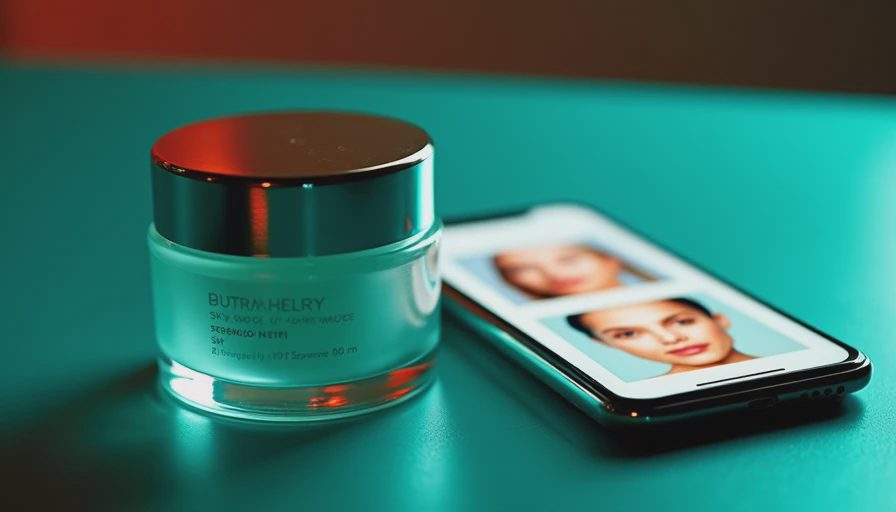
When retinol is earning its keep
A product is earning its keep when you can use it consistently without dreading the next morning. That usually means the skin feels stable enough to keep going, not so dry that you keep skipping nights. If the formula lets you stay on schedule, you are more likely to see the kind of gradual smoothing people hope for when they search retinol before and after.
I also care about what happens around the product. If you have to buy a separate soothing serum, a heavier moisturizer, and a backup balm just to tolerate the active, the true cost goes up. In that case, the cheaper bottle was not actually cheaper. Sometimes a better-formulated retinol saves money because it replaces the need for a whole support cast.
Sunscreen is part of the deal too. No retinol routine gets a fair shot without daily SPF. I am not saying that to be dramatic; I am saying it because sun exposure can undo the very progress you are trying to measure. A solid morning sunscreen keeps the comparison honest and helps the skin stay even-toned while the night routine does its work.
A simple buying rule I use for readers
If you want a no-nonsense starting point, choose the least fancy retinoid that still has a formula you can live with. For many people, that means a lower-strength retinol in a cream or serum with glycerin or ceramides, used two nights a week at first. After a month, if the skin is calm, move up slowly. If it is not calm, the answer is not to push harder. The answer is to back off and make the routine easier to tolerate.
That is the part social media skips. Real progress is not about chasing the most aggressive bottle. It is about finding the product that fits your skin, your budget, and your patience. That is how retinol before and after becomes useful instead of fake-looking.
Learn the label, then choose.


No letters yet — be the first to write.