If you have been staring at a Sephora shelf wondering whether retinol eye cream is worth the money, I get it. The eye area is where people start looking for help with fine lines, dry creasing, and that tired look that shows up when sleep and life are both in short supply. I test skincare the same way I test hotel shower gels: I read the label first, then I see whether the product earns a second look. With this category, that means checking how much retinol you actually get, how much irritation support comes with it, and whether the ounce price is fair.
The short version is that a good formula does not have to be fancy, but it does have to be thoughtful. Retinol can help soften the look of lines over time, but the eye area is sensitive, so the best products usually pair the active with cushioning ingredients like glycerin, squalane, ceramides, peptides, or niacinamide. If the jar is tiny and the marketing is loud, I slow down and do the math.
What retinol eye cream can realistically do
A good retinol eye cream is not a miracle in a tube, and that is fine. I am looking for gradual changes: a little less crinkling under concealer, a smoother look around the outer corners, and skin that tolerates nighttime use without turning red and flaky. In my own testing, the first real changes usually show up after six to twelve weeks, not three nights.
The eye area has thinner skin than the rest of the face, so less is usually more. A rice-grain amount for each eye is plenty. If a formula is strong enough to sting on application, that does not automatically mean it is better. It usually means the packaging copy is ahead of the formulation balance.
A smart product gives you retinol plus support. Glycerin pulls in water. Ceramides help reinforce the skin barrier. Peptides can make a formula feel a little more polished. A fragrance-free cream with those basics often beats a glossy jar that is mostly scent and hype.
How I compare retinol eye cream labels
When I compare retinol eye cream formulas, I start with the concentration if the brand gives it. Not every company does, and that is not always a dealbreaker, but transparency helps. I also look for the format. Encapsulated retinol, retinyl esters, and plain retinol are not identical, and the one that works best for you depends on how sensitive your skin is and how much texture you can tolerate.
Then I check what else is inside. Niacinamide is useful if the area tends to look puffy or uneven in tone. Ceramides and cholesterol matter if dryness is your main complaint. Squalane and dimethicone can make the cream feel smoother and reduce the drag that makes people stop using it. On the other hand, a long ingredient list is not automatically impressive if the formula is packed with unnecessary fragrance.
If I am split between two tubes, I ask a simple question: which one gives me more useful ingredients per dollar, and which one looks more likely to be used consistently? Consistency beats ambition in eye care every time.
The cost-per-ounce math for retinol eye cream
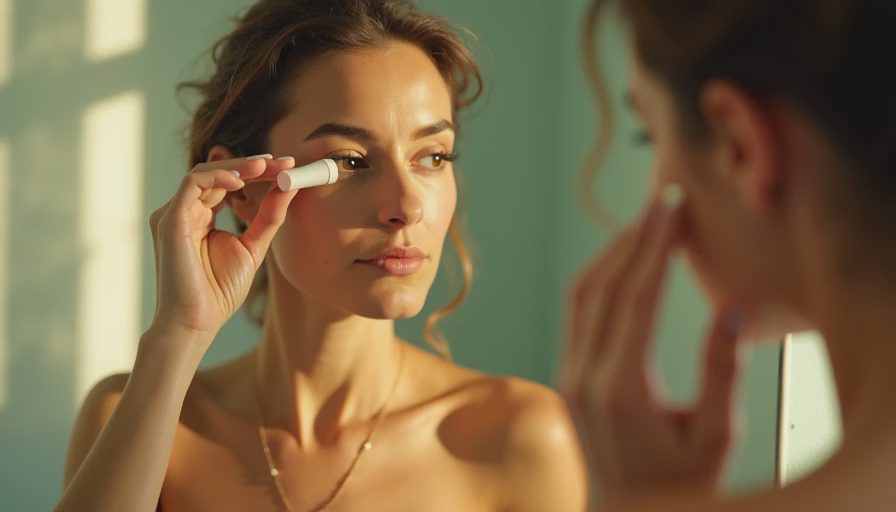
This is where the whole category gets more interesting. A lot of eye creams come in 0.5-ounce tubes, which sounds small until you do the math. A $24 drugstore option at 0.5 ounce works out to $48 per ounce. A $68 prestige cream at the same size is $136 per ounce. That does not mean the expensive one is bad. It just means you should know what you are paying for.
I have seen plenty of midrange formulas in the $35 to $55 range that land in a reasonable place on value because they deliver a stable package, sensible packaging, and ingredients that do something useful. I am also perfectly willing to say a pricier cream earns its spot if it uses a better retinoid delivery system, has a richer barrier-support blend, and still feels comfortable enough to finish the tube.
If you are choosing between a basic $20 tube and a luxe $90 tube, compare the ounce price, but also compare the texture and the wear time. A formula you stop using after two weeks is more expensive than it looked on the shelf.
How to use retinol eye cream without making the area cranky
The easiest way to waste money is to overuse the product and then quit because your eyes feel dry. Start two nights a week, not every night. Apply a tiny amount after cleansing and before your heavier cream, or mix it with moisturizer if your skin is easily irritated. If you already use a strong face retinoid, you may not need a separate eye product every night at all.
I also like the buffer method for beginners: moisturizer first, then a thin layer of the treatment around the orbital bone, not right up to the lash line. That keeps the product where it can do its job without creeping into the eyes while you sleep. If your skin is happy after a couple of weeks, you can slowly increase frequency.
One more practical note: do not expect a dramatic overnight change. The best results are steady and boring in the best possible way. Less dryness, less tugging, less concealer settling. That is the win.
What I would look for before buying
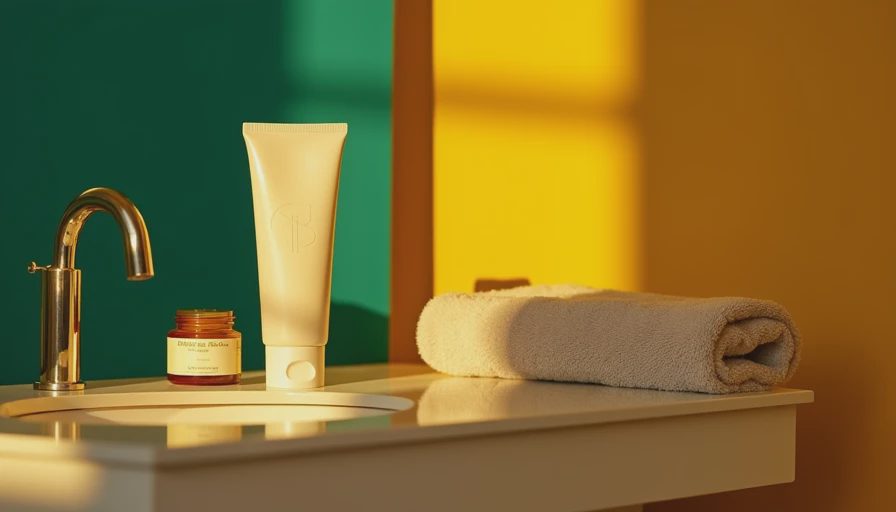
If I were shopping with my own money, I would want a fragrance-free formula, some kind of barrier support, and a tube size that does not make me feel robbed after three weeks. I would also prefer opaque packaging or an airless pump, because retinoids stay happier when they are not sitting in a clear jar on a bright bathroom shelf.
I would not overpay for a long ingredient list if the meaningful parts are buried. A simple cream with retinol, glycerin, ceramides, and a decent emollient base can be exactly the right call. If a brand gives concentration information and explains the delivery system clearly, that is a point in its favor.
This is also where preference matters. Some people want a richer balm that cushions dry under-eyes. Others want a lighter lotion that layers under makeup. Both can be right if the formula fits the routine.
Quick mistakes I see all the time
The biggest mistake is using too much. The second is using it too often too soon. The third is buying based on packaging instead of what is inside the tube. I also see people stack every active they own around the eyes, then wonder why the area looks irritated. Keep it simple.
If you are unsure, start with the gentlest workable formula and give it time. Track what happens for four to eight weeks instead of judging it after one week. That is how you separate a useful product from a pretty one.
My rule is the same one I use for almost every product I test: learn the label, then choose. If you do that with retinol eye cream, you are a lot less likely to waste money on a tiny jar that sounds better than it performs.


No letters yet — be the first to write.