If you have ever stood in front of a skincare shelf wondering what does vitamin c serum do for your face, you are not alone. The short answer is that a well-formulated vitamin C serum can help skin look brighter, support a more even-looking tone, and provide antioxidant support against daily environmental stress. It is useful, but it is not a magic eraser, and the bottle price does not automatically tell you how well it will perform.
What vitamin C actually does
Vitamin C is an antioxidant. In plain English, that means it helps neutralize unstable molecules created by exposure to sunlight and pollution. Those molecules can contribute to visible dullness and the breakdown of collagen over time. A topical serum places the ingredient directly on the skin, where it can support a brighter, fresher appearance with consistent use.
The most studied form is L-ascorbic acid, often listed as ascorbic acid on an ingredient label. It is effective in the right formula, but it is also fussy. Light, heat, air, and water can gradually reduce its performance. That is why a clear serum can turn pale yellow, then orange-brown, as it ages. A slight tint is not always a problem, but a dark, rusty color and a sharp smell suggest the product is past its best.
When people ask what does vitamin c serum do for your face, they often mean whether it can fade dark spots. It can help improve the appearance of uneven pigmentation over time, especially when the discoloration is related to sun exposure. The results are gradual. Think in terms of eight to twelve weeks of regular application, not a noticeably different complexion after one morning.
Vitamin C is also involved in collagen production in the skin. That does not mean a serum will remove established wrinkles or recreate the results of an in-office treatment. It means the ingredient can be a sensible part of a long-term routine focused on brightness, texture, and prevention. My half-face tests usually show the biggest difference in overall radiance and tone consistency, not dramatic overnight transformation.
Choosing a formula without overpaying
The ingredient list tells you more than the front label. If L-ascorbic acid is the star, a concentration between roughly 8 and 20 percent is common in well-known formulas. More is not automatically better. Above that range, irritation becomes more likely, particularly for dry, reactive, or rosacea-prone skin. Some products use vitamin C derivatives such as sodium ascorbyl phosphate, magnesium ascorbyl phosphate, or tetrahexyldecyl ascorbate. These are often gentler and more stable, although their performance and supporting evidence differ by ingredient.
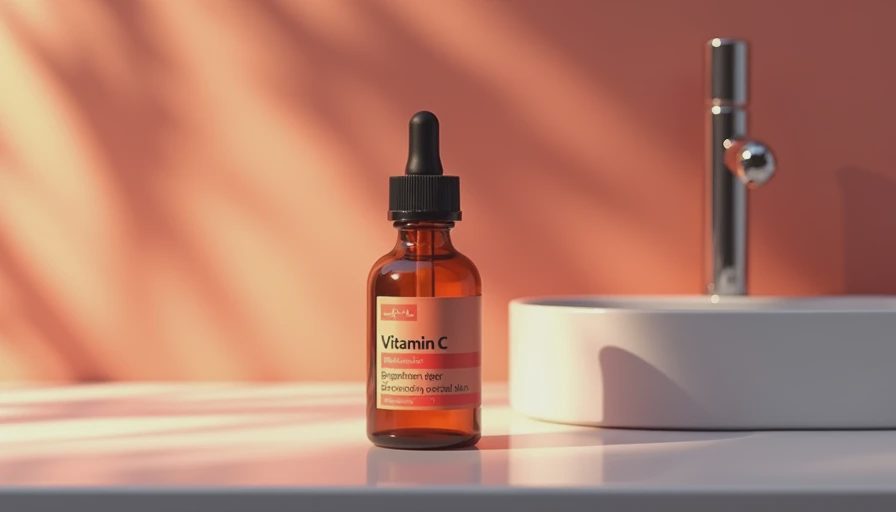
A good serum also needs a sensible base. Glycerin and propanediol help attract water, while ferulic acid and vitamin E are frequently paired with L-ascorbic acid to support formula stability and antioxidant performance. I would rather see a simple, well-preserved formula in opaque or tinted packaging than a flashy bottle with a long list of trendy extracts.
Cost is where label reading saves money. A 1-ounce serum priced at $25 costs $25 per ounce. A 0.5-ounce product at $45 costs $90 per ounce, even if the packaging makes it look luxurious. If both formulas use a similar vitamin C form and one will be finished before it oxidizes, the lower cost per ounce may be the smarter purchase. Expensive products can earn their price when the packaging, texture, and stability are genuinely better, but luxury fragrance alone is not a skin benefit.
How to use vitamin C serum
If what does vitamin c serum do for your face is the question, how to apply it is the practical follow-up. Start with a clean, dry face and apply two or three drops before moisturizer. Vitamin C can be used in the morning because antioxidants pair logically with sunscreen. It does not replace sunscreen, though. A broad-spectrum SPF 30 or higher is still the product doing the heavy lifting against ultraviolet exposure.
Begin every other morning if your skin is sensitive. After cleansing, apply the serum, let it settle for about a minute, then use moisturizer and sunscreen. If the formula pills under makeup, use less product or allow more time between layers. A tacky finish does not necessarily mean the serum is working; it usually means the base contains film-forming ingredients or you applied too much.
Store the bottle away from a sunny bathroom window and close the cap promptly. I prefer small, air-restrictive packaging because opening a large dropper bottle every day exposes more product to oxygen. Write the opening date on the label. If the formula changes dramatically in color, scent, or texture, replacing it is more useful than trying to finish every last drop.

What can you combine with it?
Vitamin C usually works comfortably with hydrating ingredients such as glycerin, hyaluronic acid, panthenol, and ceramides. It can also sit in a routine that includes niacinamide. The old warning that these two ingredients cannot be used together is overstated for modern products; the practical issue is whether the combined routine feels irritating or becomes too complicated to follow.
Retinoids and exfoliating acids are where I become more cautious. Using a strong vitamin C serum, glycolic acid, and a retinoid in the same routine can leave skin tight, flaky, or stingy, especially when you are new to active products. A simpler schedule often works better: vitamin C in the morning, a retinoid on selected nights, and exfoliation no more than your skin can comfortably tolerate.
If you are asking what does vitamin c serum do for your face because you have acne marks, avoid piling on five brightening products at once. Introduce one formula, take a baseline photo in consistent lighting, and use it for at least several weeks. That makes it easier to see whether the product is helping or whether another change caused irritation.
Who should skip it or start slowly?
A vitamin C serum is not mandatory. If your routine already includes a gentle cleanser, moisturizer, and daily sunscreen, you have covered the basics. Vitamin C is an optional upgrade for someone focused on dullness or uneven-looking tone. It should not burn intensely, cause swelling, or leave persistent redness. Mild tingling can happen with acidic formulas, but ongoing discomfort is a reason to stop and simplify.
Patch test first by applying a small amount near the jaw or behind the ear for several days. This is not a guarantee against a reaction, but it is a reasonable screening step. If you have a diagnosed skin condition, frequent rashes, or you are using prescription treatment, a dermatologist can help you decide where this ingredient fits.
For beginners, I would choose a modest concentration, stable packaging, and a price you can comfortably replace. A $30 serum used consistently is more useful than a $110 bottle that sits unopened because you are saving it for special occasions.
So, is vitamin C serum worth it?
Now that we have answered what does vitamin c serum do for your face, my practical verdict is straightforward: it can be worth adding if brightness and uneven tone are your priorities, but sunscreen and moisturizer come first. Look for a clear vitamin C form, reasonable packaging, and a texture you will actually use. Give the product eight to twelve weeks, take photos in the same light, and judge the change against your starting point.
Do not buy a serum because a video promises glass skin by Friday. Buy it because the label makes sense, the cost per ounce fits your budget, and the routine is realistic. A carefully chosen vitamin C product can make skin look more even and lively without requiring a twelve-step shelf. Learn the label, then choose.



No letters yet — be the first to write.