If you have stood in front of a skincare shelf wondering what is niacinamide for, you are not missing some secret step. Niacinamide is a form of vitamin B3 used in many serums, moisturizers, toners, and sunscreens. It is popular because it can support several ordinary but important skin goals at once: a more even-looking tone, less visible oiliness, and a stronger-feeling moisture barrier.
I like niacinamide because it is usually a sensible ingredient rather than a dramatic one. You are not buying a bottle expecting overnight glass skin. In my testing, the best results look more like skin that stays comfortable through a dry afternoon, makeup that sits a little better, or less shine around the nose by lunchtime. Learn the label, then choose.
What is niacinamide for on the skin?
The short answer is that niacinamide is a multitasker. It helps support the skin barrier, which is the outer layer that helps keep moisture in and environmental irritants out. It can also help reduce the look of uneven tone over time and make pores appear less noticeable when excess oil is part of the problem. That last point matters: pores do not literally open and close, but less surface oil can make them look less prominent.
What is niacinamide for when your skin feels tight? A formula with niacinamide plus humectants such as glycerin or hyaluronic acid can make a routine feel more comfortable. Glycerin pulls water toward the skin, while niacinamide supports the barrier around that hydration. If the product also contains ceramides, squalane, or fatty acids, it may feel even more nourishing without needing a heavy balm.
For uneven-looking tone, give the ingredient time. A few uses will not erase a mark left after a breakout. Cosmetic skincare works gradually, and daily broad-spectrum sunscreen is still the more important step for preventing existing discoloration from looking darker.

How niacinamide compares with other popular ingredients
People often ask what is niacinamide for compared with vitamin C, retinol, or salicylic acid. These ingredients can overlap, but they are not interchangeable. Vitamin C is commonly chosen for antioxidant support and a brighter-looking complexion. Retinol is used in routines focused on signs of aging and texture, but it can be more irritating and needs a slower introduction. Salicylic acid helps loosen oil and dead skin within pores, making it a better match for some congestion concerns.
Niacinamide is often the easier starting point because it does not require the same level of adjustment as retinol or exfoliating acids. That does not mean every skin type loves every formula. A 10 percent serum can feel stingy or drying for someone whose barrier is already stressed, while a moisturizer with 2 to 5 percent may be perfectly comfortable.
The percentage is not the whole story. A short ingredient list with 4 percent niacinamide, glycerin, and ceramides may be more useful than a crowded 15 percent serum that leaves your face tight. The base, texture, fragrance, and packaging all affect whether you will use it consistently.
Choosing a niacinamide product without overspending
When deciding what is niacinamide for in your own routine, start with the problem you actually want to solve. If your cheeks feel dry, choose a lotion or cream rather than another watery serum. If shine is your concern, a lightweight serum may make more sense. For general maintenance, niacinamide does not need luxury packaging or a $90 price tag.
For a cost-per-ounce comparison, a 1-ounce serum priced at $12 costs $12 per ounce. A 1.7-ounce moisturizer priced at $24 costs about $14.12 per ounce, but it may replace both a separate serum and a basic cream. That is why I compare the whole routine, not just the sticker price. The least expensive bottle is not automatically the best value if it sits unused in a drawer.
Brands such as The Ordinary, Naturium, CeraVe, La Roche-Posay, and Paula's Choice offer different textures and price points, though their formulas are not identical. Look for the niacinamide percentage when it is disclosed, then scan for useful supporting ingredients. Avoid paying extra solely for a shiny box or a claim that sounds more dramatic than the ingredient can reasonably deliver.

How to add it to a routine
What is niacinamide for if you already use cleanser, moisturizer, and sunscreen? It can fit between cleansing and moisturizing, either as a serum or as part of your moisturizer. In the morning, cleanse gently, apply the product to slightly damp or dry skin according to its texture, moisturize if needed, and finish with sunscreen. At night, use it after cleansing and before a cream.
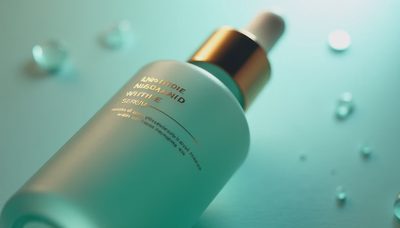
Start once daily for a week. Use two or three drops for the face if it is a serum; more product does not produce faster results. If your skin remains comfortable, you can use it morning and night when the label allows. Patch testing on a small area near the jaw is a practical way to notice whether a new formula causes redness or itching before applying it everywhere.
If you already use retinol, benzoyl peroxide, or an exfoliating acid, add only one new product at a time. This makes it easier to identify the cause of irritation. Niacinamide itself is often well tolerated, but preservatives, fragrance, botanical extracts, or the total combination of products can still be the issue.
What results should you expect?
What is niacinamide for in real life? Think maintenance and support, not a complete skin reset. After two to four weeks, some people notice that their skin feels less reactive or looks less shiny. Changes in the appearance of uneven tone can take longer, especially when sun exposure continues. Take a baseline photo in the same window light and check again after a month instead of inspecting your face under a magnifying mirror every morning.
In a half-face test, I pay attention to practical details: does one side feel tighter, does makeup separate around the nose, and does the product pill under sunscreen? A serum that looks impressive on paper is not earning its place if it rolls off in little crumbs or makes you skip moisturizer. Texture and routine compatibility count as much as the ingredient list.
There is also no requirement to use niacinamide if your current routine already works. Skincare is not a collectible hobby, despite what a crowded bathroom shelf suggests. Add it when it solves a specific problem or makes an existing routine more comfortable.
Common questions before you buy
What is niacinamide for if you have sensitive skin? Choose a lower-strength product, introduce it slowly, and avoid adding several active ingredients at once. What is niacinamide for if you have oily skin? A light serum or gel moisturizer may help support a less shiny-looking finish, especially when paired with a gentle cleanser rather than aggressive scrubbing.
Can you use niacinamide with vitamin C? Modern formulas can combine them, and many routines use both successfully. If your skin becomes uncomfortable, separate them by time of day or simplify the routine. Can niacinamide replace sunscreen? No. It can support the look and feel of skin, but sunscreen remains the basic protection step during daytime exposure.
My practical answer to what is niacinamide for is simple: it is a flexible, generally approachable ingredient that can support tone, oil balance, and barrier comfort. Buy the texture you will actually use, compare cost per ounce, and give it several consistent weeks. Learn the label, then choose.


No letters yet — be the first to write.