What every esthetician knows is that an impressive bathroom shelf does not automatically create better skin. After 12 years working in luxury spas and dermatology clinics, I have seen clients spend $300 on a routine that quietly duplicates what a $35 routine already does. I have also seen a pricey serum genuinely earn its place. The difference is rarely the packaging. It is the formula, the amount used, and whether the product fits the person using it.
My approach is simple: read the label, test one change at a time, and calculate what the product costs per ounce. A $68 bottle can be a better value than a $24 bottle if you use less and get more consistent results. Learn the label, then choose.
Start with the job, not the trend
The first question I ask is not, “What is everyone buying?” It is, “What do you want this product to do?” A cleanser removes sunscreen, makeup, oil, and daily debris. A moisturizer reduces water loss and makes skin feel comfortable. A sunscreen helps protect exposed skin from ultraviolet radiation. A treatment product targets a narrower concern, such as uneven tone, rough texture, or visible dryness.
When one product is expected to cleanse, exfoliate, brighten, tighten, hydrate, and smell like a luxury hotel, disappointment is almost guaranteed. Give each step one primary job. This also makes troubleshooting much easier. If your skin becomes irritated, you can identify the recent change instead of blaming an entire 10-step routine.
A basic routine often needs only three categories: cleanser, moisturizer, and broad-spectrum sunscreen for daytime. Add a treatment after those basics feel comfortable. The best routine is the one you can repeat on ordinary Tuesday mornings, not just the one that looks beautiful in a product-flatlay photo.

What every esthetician knows about reading an ingredient list
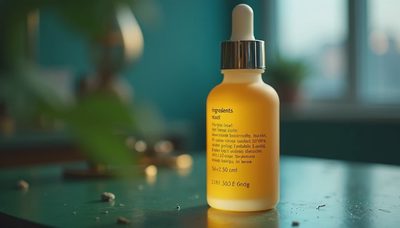
Ingredient lists look intimidating because they use standardized names, but you do not need a chemistry degree to spot useful information. Ingredients are generally listed from the largest amount to smaller amounts, with some exceptions for ingredients used at low concentrations. The first several ingredients tell you a lot about the product’s base.
Glycerin is a common humectant, meaning it helps attract water to the outer layers of skin. Squalane is an emollient that can make a formula feel smooth and cushiony. Petrolatum is an occlusive ingredient that helps reduce water loss. None of these ingredients needs dramatic marketing language to be useful.
Then look for the active ingredients that match your goal. Niacinamide is often included for barrier support and the appearance of uneven tone. Salicylic acid is commonly used in products designed for oily or congested skin. Ascorbic acid is one form of vitamin C, but its performance depends heavily on the rest of the formula and how it is packaged.
The label cannot tell you everything. Texture, packaging, stability, and your own tolerance matter. Still, it can quickly reveal whether a $90 product is built around a thoughtful formula or mostly a memorable story.
The cost-per-ounce test changes the comparison
Sticker price is a poor way to compare skincare. Divide the price by the number of ounces to get the basic cost per ounce. A 1-ounce serum priced at $48 costs $48 per ounce. A 1.7-ounce serum priced at $62 costs about $36.47 per ounce, even though the total checkout price is higher.
Usage matters too. If you apply two pumps twice daily, a product may disappear faster than expected. A lightweight moisturizer used once each evening may last several months. I record the opening date, application frequency, and closing date in a spreadsheet. That gives me a more useful answer than a brand’s vague claim that a bottle “lasts all season.”
What every esthetician knows is that the cheapest bottle is not always the least expensive routine. Suppose a $16 moisturizer causes you to layer two extra products because it leaves your skin tight. A $42 moisturizer that keeps you comfortable with one application may reduce both clutter and spending. Price the routine, not just the individual jar.
How to run a useful half-face test
A half-face test is not a clinical trial, but it can make your personal comparison more disciplined. Start with clean, dry skin and apply one product to the left side and the comparison product to the right side. Keep the rest of your routine identical. Use similar amounts and take photos in the same room, at the same time of day, with the same lighting.
Give a basic moisturizer at least several days to reveal how it feels through different parts of your schedule. A treatment product may require longer observation, but do not introduce three new actives at once. Record practical details: pilling under sunscreen, tightness after washing, shine by lunchtime, scent, stinging, and whether makeup sits smoothly over it.
What every esthetician knows is that “better” can mean different things. One person may value a silky texture, while another wants a fragrance-free formula that works under makeup. My notes include both measurable details, such as price and amount used, and personal details, such as whether I actually look forward to applying it.

When expensive skincare earns its price
I am not automatically suspicious of an expensive product. Some formulas justify a higher price through elegant textures, carefully chosen ingredients, better packaging, or a pleasant experience that encourages consistent use. A well-made antioxidant serum in an opaque, air-reducing package can be worth more than a watery formula in a jar that sits open on a sunny counter.
The question is whether you can identify what you are paying for. If a $110 cream contains a comfortable, well-formulated blend and you use a pea-sized amount nightly, its cost per use may be reasonable. If it is mostly a duplicate moisturizer with a strong fragrance and a decorative jar, the value is harder to defend.
Brands such as CeraVe, La Roche-Posay, Paula’s Choice, The Ordinary, SkinCeuticals, and Clinique serve different budgets and preferences. I would not place them in one universal ranking. Compare the specific product, not the reputation of the entire brand. A drugstore cleanser can outperform a luxury cleanser for your skin, while a premium sunscreen may have a finish you will actually wear every morning.
A practical shopping checklist
Before buying, write down the job you want the product to perform. Check the size in ounces, then calculate the cost per ounce. Scan the first several ingredients and identify the main texture-building ingredients. Look for the active ingredients connected to your goal, but do not assume a longer ingredient list means a stronger formula.
Next, check whether the package protects the formula. Pumps, tubes, and opaque containers can be more practical than open jars for some products. Consider your existing routine so you do not buy a fourth hydrating serum when your shelf already has three.
Finally, choose one new product and give yourself a clear testing window. Keep the receipt, note the opening date, and stop if your skin develops persistent discomfort. A licensed esthetician can discuss cosmetic routines, but ongoing rashes, swelling, painful breakouts, or other medical concerns belong with a qualified medical professional.
What every esthetician knows is that consistency beats novelty. You do not need to chase every launch or rebuild your shelf each season. Start with the label, do the cost-per-ounce math, and pay attention to how your skin behaves over time. Learn the label, then choose.



No letters yet — be the first to write.