The skincare industry secrets I learned after 12 years in spas and dermatology clinics are less dramatic than TikTok suggests. Most are hiding in plain sight on the ingredient list, the package size, and the gap between what a product promises and what it can realistically do. I test products with half-face comparisons, track days of use, and calculate cost per ounce because a beautiful jar is not evidence that the formula earns $110.
That does not mean expensive skincare is always a rip-off. Some products use elegant textures, well-tested active ingredients, airless packaging, or specialty delivery systems that cost more to make. The goal is not to buy the cheapest bottle. It is to understand what you are paying for before you add another product to your cart.
The label tells you more than the front of the box
One of the most useful skincare industry secrets is that the first several ingredients usually tell you the product's basic structure. Water, glycerin, propanediol, and various emollients often appear before the headline ingredient. That is normal. Glycerin attracts water to the outer layer of skin, while oils, esters, and silicones can soften the surface and reduce moisture loss.
Ingredient order is not a perfect measuring tool. Ingredients used at 1% or less can appear in a flexible order, and a long list does not automatically mean a better formula. Still, it gives you context. If a serum advertises vitamin C but places a vitamin C derivative near the end of a long list, I would not assume it will perform like a concentrated treatment. I would look for the exact form, packaging, and directions instead.
Fragrance is another useful detail. A scented cream can be a pleasure to use, and enjoying a product is not a character flaw. But if your skin is reactive, fragrance and essential oils deserve attention before you blame every new flare-up on a mysterious ingredient. Learn the label, then choose.
Marketing language needs a translation
The skincare industry secrets behind words such as clean, brightening, detoxifying, and clinical are often simple: these terms can sound authoritative without defining a specific result. “Brightening” might refer to ingredients that support a more even-looking tone, while “detoxifying” may describe a clay mask that absorbs surface oil. Neither phrase tells you how quickly to expect a visible change.
Look for claims you can actually evaluate. “Contains 5% niacinamide” is more useful than “pore perfecting.” “Broad-spectrum SPF 30” is a defined sunscreen claim, while “sun defense” is much less informative. “Fragrance-free” also does not mean a product cannot irritate every person; it only tells you that added fragrance is not part of the formula.
This is where skincare industry secrets become practical. Write down the promise before you test the product: softer texture, less tightness, fewer visible dry patches, or more comfortable makeup application. Then give the formula enough consistent use to judge it. A one-night glow can come from hydration, light-reflecting ingredients, or a smooth silicone finish. Those effects can be enjoyable, but they are not the same as a lasting change.
Cost per ounce exposes the real bargain
The skincare industry secrets I return to most often involve price math. A $24 moisturizer in a 1.7-ounce jar costs about $14.12 per ounce. A $52 moisturizer in a 1.7-ounce jar costs about $30.59 per ounce. If the pricier product has a texture you will use every morning and night, the premium might feel worthwhile. If both formulas perform similarly, the lower cost is meaningful.
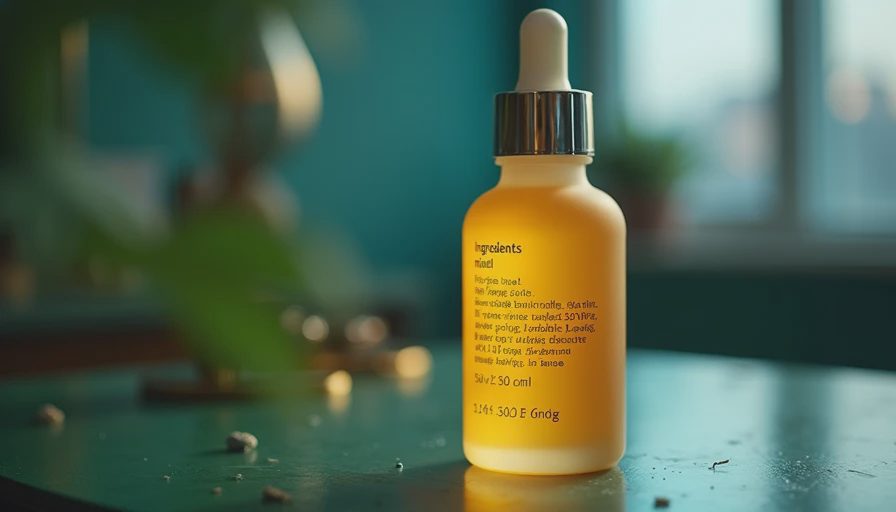
Serums are especially easy to misread because 0.5-ounce bottles often look substantial in photographs. A $38 half-ounce serum costs $76 per ounce. A $22 one-ounce serum costs $22 per ounce, even if the bottle looks less luxurious. That does not prove the second formula is better, but it changes the comparison.
I also estimate how long a product lasts. If one pump equals roughly 0.15 milliliters and you use two pumps daily, a 30-milliliter bottle lasts close to 100 days. Your actual use will differ, but this calculation is more helpful than comparing shelf prices alone. Skincare industry secrets should help you buy with your habits in mind, not with packaging in mind.
How I run a useful half-face test
A half-face test cannot replace clinical research, but it can show whether a product works for your skin in your routine. I start with a simple setup: the same cleanser, the same moisturizer, and the new product on only one side of the face. I photograph both sides in the same window light on day one, day seven, and day 21.
I record the amount used, the time of application, texture, pilling, tightness, redness, and how makeup sits the next morning. I do not introduce a retinol, exfoliating acid, new sunscreen, and new serum at once. If several variables change, the result becomes a guessing game.
Patch testing is sensible for a new product, especially one with strong actives or fragrance. Apply a small amount to an inconspicuous area and stop if you experience significant irritation. For persistent skin concerns, a dermatologist is the right person to diagnose and treat them. My testing can tell you whether I like a formula and whether it earns its price, not what is happening medically.

A smarter routine usually has fewer moving parts
Another of the most overlooked skincare industry secrets is that a routine does not need ten steps to be thoughtful. A basic morning routine can be cleanser or water rinse, moisturizer if needed, and broad-spectrum sunscreen. Evening can be cleanser, one targeted treatment, and moisturizer. That gives you a stable foundation before you experiment.
If dryness is your concern, start with a gentle cleanser and a moisturizer containing humectants such as glycerin or hyaluronic acid plus barrier-supporting ingredients such as ceramides. If uneven tone is your concern, choose one active and use it consistently rather than layering four products that all promise radiance. If your skin feels hot, stings, or becomes unusually tight, simplify first.
I am also suspicious of routines that require constant replacement. A product that lasts 30 days is not automatically superior to one that lasts 90 days. It is only superior if the formula gives you a result worth the recurring cost and fits comfortably into your life.
What deserves a splurge, and what usually does not
Some categories can justify a higher price. A well-formulated antioxidant serum with stable packaging, a sunscreen you genuinely enjoy applying, or a moisturizer with an unusually elegant texture can earn a place on the shelf. If a $48 sunscreen gets used every day while a $16 sunscreen sits untouched because it pills, the cheaper tube is not the better value in practice.
Cleansers are where I am more cautious about luxury pricing. They rinse away quickly, so a $70 cleanser needs to provide a sensory experience or skin comfort that you genuinely value. A $14 cleanser with a short, gentle formula can do the essential job very well. The same reasoning applies to basic cotton pads, mists, and many decorative accessories.
The best skincare industry secrets do not tell you what to love. They give you a repeatable way to decide: identify the claim, read the formula, calculate cost per ounce, test one change at a time, and watch your actual skin rather than the advertisement. That is how I shop, test, and write at Cost Per Ounce. Learn the label, then choose.




No letters yet — be the first to write.