If you have ever stood in front of a med spa shelf wondering what is medical grade skincare, you are not alone. The phrase appears on moisturizers, vitamin C serums, retinoids, and peel kits with prices ranging from $35 to well over $200. It sounds official, but it is not a legally standardized category in the United States. In plain English, it usually describes products sold through dermatology offices, medical spas, licensed professionals, or specialty retailers, often with concentrated ingredients and more detailed usage instructions.
That distinction matters because a higher price does not automatically mean better results. I have opened plenty of $150 jars that looked impressive on a treatment-room shelf but offered a less interesting ingredient list than a $28 pharmacy serum. I have also tested expensive formulas that earned their price through stable packaging, elegant textures, and well-chosen active ingredients. Learn the label, then choose.
What is medical grade skincare, exactly?
What is medical grade skincare in practical terms? It is generally professional-positioned skincare made with ingredients intended to address concerns such as uneven tone, dryness, fine lines, or congestion. Some products use prescription-strength ingredients, but many do not. A licensed professional may recommend them because the formula, delivery system, concentration, or routine instructions fit a specific skin goal.
The term does not guarantee that a product went through a separate FDA approval process. Cosmetic products are regulated differently from drugs, and phrases such as medical grade, clinical grade, and physician formulated can be marketing language. A product containing an over-the-counter acne drug or sunscreen active must follow applicable rules for that category, while a cosmetic serum generally cannot claim to diagnose, treat, cure, or prevent disease.
A useful comparison is wine labeling. “From a medical spa” tells you where the product is sold, not whether every ingredient is superior. Read the full ingredient list, packaging, directions, and return policy before assuming the label justifies the cost.
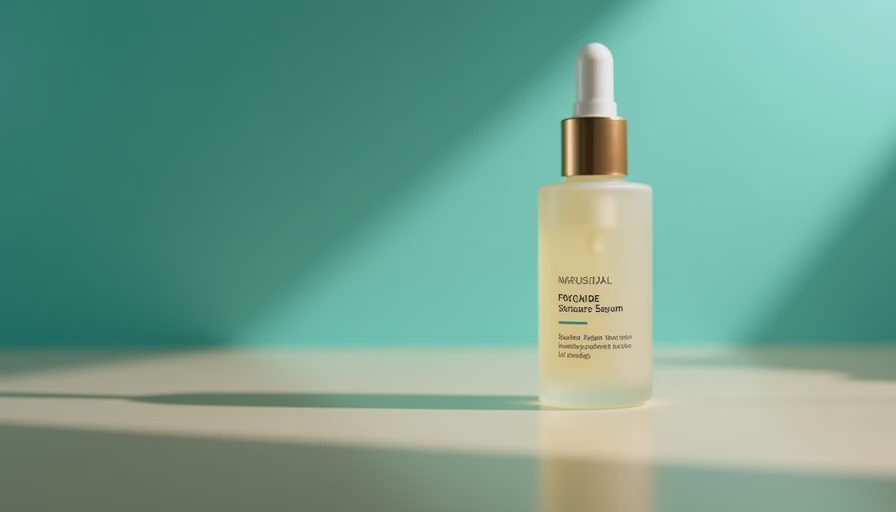
How these formulas differ from drugstore products
Some professional products are genuinely more sophisticated than basic retail options. You might see airless pumps that reduce exposure to oxygen, opaque bottles that protect light-sensitive ingredients, or a combination of humectants, emollients, and antioxidants designed for a more comfortable finish. Glycerin pulls water toward the skin, ceramides support the moisture barrier, and dimethicone reduces water loss while creating slip. None of those ingredients require a luxury price tag, but a well-balanced formula can feel noticeably better.
The biggest difference is often concentration and guidance. A product recommended after an in-person skin assessment may come with a slower introduction schedule: twice weekly for a retinoid, a small amount of exfoliating acid, and sunscreen every morning. That guidance can prevent the “I used everything on Tuesday and now my face is furious” problem.
Still, retail brands such as CeraVe, Vanicream, La Roche-Posay, Neutrogena, and Paula’s Choice offer effective ingredients at accessible prices. A $20 cleanser cannot be expected to transform texture, but it can remove sunscreen without leaving skin tight. A $45 niacinamide serum may perform similarly to a $90 professional serum if the ingredient list and packaging are comparable.
Ingredients worth examining before the price
When someone asks what is medical grade skincare, I point them first to the active ingredients rather than the front label. For discoloration and dullness, look for vitamin C, azelaic acid, tranexamic acid, licorice-derived ingredients, or a retinoid. For dehydration, glycerin, hyaluronic acid, urea, and ceramides are practical clues. For rough texture, lactic acid, glycolic acid, salicylic acid, or a retinoid may be relevant, although using several exfoliating products together can be irritating.
Packaging deserves equal attention. A vitamin C serum in a clear dropper bottle may discolor faster than one in an opaque, tightly sealed pump. That does not mean it is useless on day one, but it affects how I calculate value. If a $72 bottle contains one ounce and lasts three months, the cost is about $24 per month. If a $38 bottle contains two ounces and lasts four months, it is about $9.50 per month. Cost per ounce is only the beginning; cost per usable month is often more revealing.
Also check whether the ingredient appears high enough in the list to be meaningful. Ingredient lists are not perfect concentration maps, and brands are not required to publish every percentage, but vague claims such as “infused with antioxidants” tell you less than a clearly named active with specific directions.

Does medical grade mean stronger?
Not necessarily. What is medical grade skincare if not automatically stronger? In many cases, it means a professional channel, a more targeted formula, or a recommendation tied to a treatment plan. Some products are stronger, especially those containing higher levels of exfoliating acids or retinoids, but strength without a sensible schedule is not a shortcut to better skin.
A stronger retinoid can bring more dryness, peeling, or sensitivity. An acid toner used daily can disrupt comfort even when the formula is beautifully packaged. Start one active at a time, apply it to dry skin when directions call for that, and use a plain moisturizer. Daily broad-spectrum sunscreen is especially important when your routine includes exfoliating ingredients or retinoids.
I prefer a boring first month: gentle cleanser, moisturizer, sunscreen, and one targeted active. That routine makes it easier to identify what is helping and what is causing irritation. If burning, swelling, or a persistent rash appears, stop the new product and seek advice from a qualified medical professional.
How to shop without overspending
Before buying, write down your actual goal. “Better skin” is too broad; “less tightness after cleansing” or “more even-looking tone” gives you a way to judge the purchase. Then compare the active ingredient, amount, packaging, recommended frequency, and cost per ounce across at least three options.
For example, a $120 serum may contain 0.5 ounce, making it $240 per ounce. A $48 serum with one ounce costs $48 per ounce. The expensive option could still earn its place if its packaging protects an unstable ingredient and you use less per application, but the burden is on the formula to show why. A $60 cream in a 1.7-ounce tube costs about $35 per ounce; a $30 cream in a 1.7-ounce tube costs about $18 per ounce. Those numbers make vague luxury language easier to evaluate.
Ask the seller whether the product is appropriate for sensitive skin, how it should be introduced, and whether it can be used with your current routine. A reputable clinic or retailer should answer without making promises of perfect skin. Be cautious when a salesperson says you need an entire ten-step system immediately.
When professional advice is useful
A licensed esthetician can help with product selection, routine order, and cosmetic concerns such as dryness or surface congestion. A dermatologist is the right professional for persistent acne, eczema, rosacea, suspicious spots, painful breakouts, or changes that do not settle after simplifying your routine. Estheticians cannot diagnose medical conditions or prescribe medication, so a referral is not a sales failure; it is good scope of practice.
Now that you know what is medical grade skincare, you can treat the phrase as a starting point instead of a guarantee. Look for a transparent ingredient list, sensible packaging, realistic directions, and a cost that fits your budget. The best routine is the one you can use consistently without irritation or financial regret. Sometimes that is a professional serum. Sometimes it is a pharmacy moisturizer that costs $14. Either way, learn the label, then choose.



No letters yet — be the first to write.