
The Phrase I Heard Every Single Day in the Spa
“This is medical-grade.”
Clients said it. Sales reps said it. Sometimes I said it too, back when I still worked in the Cherry Creek medical spa. It sounds official. It sounds like the product has passed some higher test that the drugstore version never could. It makes the $120 bottle feel justified.
Then I started reading the actual regulations and comparing ingredient lists side by side. The phrase got a lot less magical.
“Medical-grade” is one of the most effective pieces of marketing language in skincare. It is also one of the least regulated. Understanding what it does and does not mean will save you money and quiet a lot of the noise.
What the Term Does Not Mean
It does not mean the product is FDA-approved as a drug.
It does not mean it has been through the same clinical trials required for prescription medications.
It does not mean a doctor has personally formulated or endorsed every bottle.
It does not guarantee higher percentages of active ingredients than a well-made consumer product.
It does not mean the formula is automatically stronger or more effective.
In the United States, most skincare sits in the cosmetic category. Cosmetics are not required to prove efficacy before they go to market. They are required to be safe and properly labeled. The moment a brand wants to claim a product “treats” acne, eczema, or wrinkles in a drug-like way, it crosses into drug territory and faces much stricter rules. Most brands carefully stay on the cosmetic side of that line while still using language that feels clinical.
“Medical-grade” is not a legal classification for cosmetics. It is a marketing term.
Where the Phrase Comes From
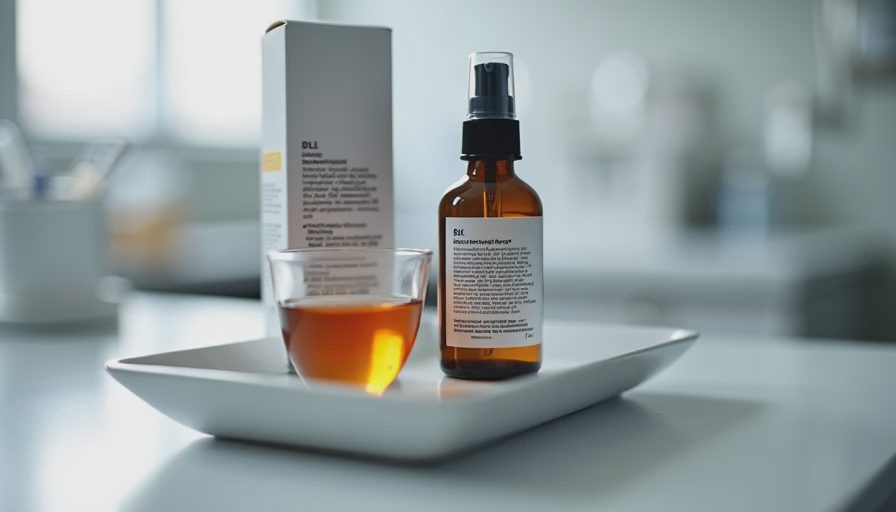
The language grew out of the med-spa and dermatology-office channel. Products sold primarily through physicians or licensed professionals often carry higher price points and more clinical-sounding stories. Some of those products do contain higher concentrations of well-studied actives. Some use delivery systems that improve penetration. Some simply have better packaging and more controlled distribution.
None of that is automatic just because the box says “medical-grade.”
I have used products sold only in doctors’ offices that outperformed everything else on the shelf. I have also used products sold only in doctors’ offices that performed exactly like a $22 alternative with the same key ingredients. The channel does not guarantee the result. The formula and the testing do.
How I Evaluate the Claim Now
When a client or a label uses “medical-grade,” I ask three practical questions:
Is the percentage of the key active disclosed?
Is there actual published data on the finished formula, or only on the individual ingredients?
Does the packaging protect the formula (especially important for vitamin C, retinol, and peptides)?
If the answers are clear and positive, the product may earn its higher price. If the answers are vague and the main selling point is the “medical-grade” label, I treat it like any other marketing claim—interesting, but not decisive.
In the spa I watched the same active ingredients appear in both “medical-grade” lines and solid mid-range lines. The difference was often concentration, pH, supporting ingredients, and how honestly the brand talked about results. Sometimes that difference was worth the money. Sometimes it was mostly the story.
What Actually Matters More Than the Label
After twelve years of hands-on work and the last few years of half-face testing, these factors consistently predict results better than the phrase “medical-grade”:
Transparent percentages of the main actives
Stable, well-designed packaging
A formula that respects the skin barrier instead of overwhelming it
Realistic timelines (weeks to months, not overnight)
Cost-per-ounce that still feels reasonable after you do the math
I still respect products that come through professional channels when they deliver. I just no longer let the channel or the language do the deciding for me.
The Bottom Line From the Testing Bench
“Medical-grade” is not a guarantee. It is a signal that the brand wants to be perceived as more serious or more clinical. Sometimes the product behind the signal is excellent. Sometimes it is average with better storytelling.
Learn the label, then choose. Look at the ingredients, the percentages if they give them, the packaging, and the actual evidence. The phrase on the front of the box should be the least interesting part of the decision.
That approach has kept my own routine simpler and my recommendations cleaner since I left the spa. It works just as well when you are standing in the aisle deciding where your money goes.


No letters yet — be the first to write.