If you are searching for the best anti age moisturizer, you probably do not need another jar promising instant transformation. You need a formula that supports the skin barrier, reduces the look of dryness, and fits the routine you will actually follow. After years of reading ingredient lists in treatment rooms and comparing products side by side, I look for useful ingredients, sensible packaging, comfortable texture, and a price that makes sense per ounce.
The first label lesson is simple: moisturizer does not erase every line. Its job is to reduce water loss and keep skin flexible, which can make fine lines look less pronounced. Sunscreen remains the most important daytime anti-aging product, while a retinoid can do more for visible texture than almost any plain cream. A moisturizer earns its place by making those steps easier to tolerate.
What makes an anti-aging moisturizer worth buying
The best anti age moisturizer usually combines humectants, emollients, and occlusives. Humectants such as glycerin and hyaluronic acid attract water to the skin. Emollients such as squalane, fatty alcohols, and shea butter soften rough patches. Occlusives, including petrolatum and dimethicone, help slow water loss. You do not need all three categories in equal amounts, but a thoughtful formula often includes each one.
Then I look for barrier-supporting ingredients. Ceramides, cholesterol, and fatty acids are especially useful when skin feels tight, flaky, or irritated by a retinoid. Niacinamide can help support the barrier and improve the look of uneven tone, though higher percentages are not automatically better. Peptides are reasonable extras, but I would not pay an extra $60 for a peptide claim if the base formula is thin and heavily fragranced.
Packaging matters more than people think. A pump or tube limits repeated air and finger exposure, while a wide jar is less convenient for travel and can become messy. That does not make a jar ineffective, but it should be reflected in the price. I also calculate cost per ounce because a $22 cream in a 1.7-ounce container costs less per use than a $48 cream in a 1-ounce jar.
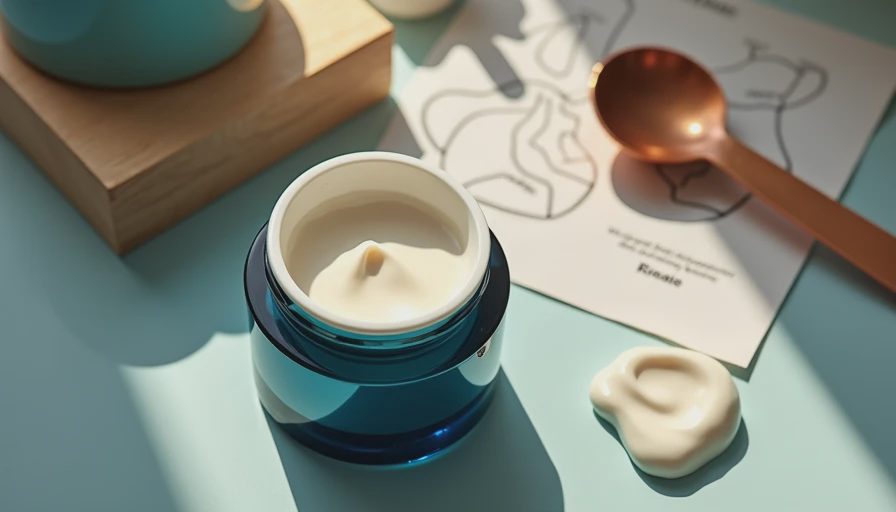
My practical comparison of popular formulas
For a dependable drugstore starting point, CeraVe Skin Renewing Night Cream is difficult to dismiss. It typically sells for roughly $15 to $22 for 1.7 ounces, putting it near $9 to $13 per ounce. The texture is dense but not waxy, and the ceramides, glycerin, and niacinamide make it a sensible companion for dry or retinoid-sensitive skin. It does not feel luxurious, but the ingredient-to-price ratio is strong.
Olay Regenerist Micro-Sculpting Cream usually costs about $25 to $35 for 1.7 ounces. It has a smoother, more cosmetic finish and includes niacinamide and peptides. In my experience, it feels more elegant under makeup than many rich night creams. If you enjoy the texture enough to use it consistently, the price can be justified; just do not mistake a pleasant finish for a dramatic wrinkle treatment.
La Roche-Posay Toleriane Dermallergo Cream is a better fit for people who dislike fragrance and want a shorter, gentle-feeling formula. At around $30 to $32 for 1.35 ounces, it costs more per ounce than CeraVe. The premium buys a comfortable, restrained moisturizer rather than a long list of anti-aging actives. For easily reactive skin, that simplicity can be more valuable than a crowded label.
At the luxury end, Medik8 Advanced Night Restore often lands around $75 to $85 for 1.7 ounces. The texture is polished, rich, and genuinely enjoyable, with a formula designed to pair with nighttime active routines. It can earn the price for someone who values the sensory experience and wants a refined companion to a retinoid. It is not automatically the best anti age moisturizer simply because it costs more.
Match the moisturizer to your routine
The best anti age moisturizer for dry skin should leave a comfortable cushion without disappearing five minutes later. Look for glycerin, ceramides, squalane, dimethicone, or petrolatum near the ingredient list. A cream that leaves skin comfortable until morning is doing useful work, even if it never claims to lift anything.
For combination or oily skin, choose a lighter lotion or gel-cream rather than skipping moisturizer. Ingredients such as glycerin, panthenol, and niacinamide can hydrate without a heavy finish. Neutrogena Hydro Boost Water Gel is a familiar example, although some versions contain fragrance, so read the current package if your skin reacts easily. The best anti age moisturizer is often the one that does not make you abandon sunscreen because your face feels greasy.
If you use tretinoin, adapalene, retinal, or retinol, start with a plain moisturizer. Apply moisturizer after cleansing, wait until the skin is dry, and then use your retinoid as directed. Some people prefer the sandwich method: moisturizer, retinoid, then another thin layer of moisturizer. This can make a strong routine more comfortable, but it does not make the active weaker in a way you need to fear.
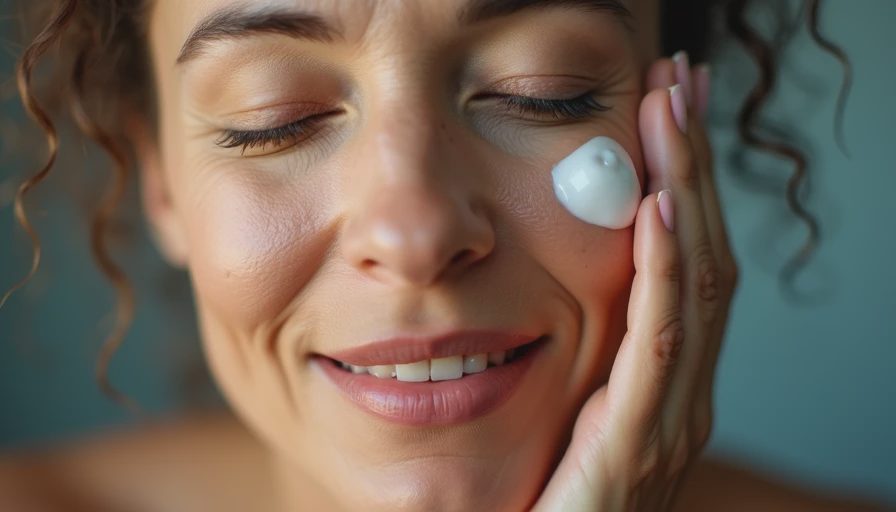
How I would test a new cream
I would give a new moisturizer at least two weeks for comfort and routine fit, while remembering that visible wrinkle changes require much longer and depend on sunscreen use. First, patch test a small area near the jaw or behind the ear. Next, use the product on one side of the face for several nights while keeping the rest of the routine unchanged. Note tightness, shine, pilling, stinging, and how makeup sits the next morning.
Use the same amount on both sides. A pea-sized amount is usually enough for the face, with another small amount for the neck if you choose to apply there. More product does not create more anti-aging benefit; it usually creates more residue. Photographing the same lighting and angle once a week is more useful than inspecting your face in a different bathroom mirror every morning.
Watch for practical results. Does the cream reduce flaky patches around the nose? Does it allow you to keep using your retinoid? Does it stay comfortable through a dry office day or a cold-weather walk? Those answers matter more than whether the product feels impressive during the first ten minutes.
The cost-per-ounce decision
Price alone is a poor shortcut. A $90 moisturizer can be reasonable if it lasts six months and replaces two products you were buying separately. It can also be a poor purchase if you need three pumps each night and finish it in eight weeks. Divide the package price by the listed ounces, then estimate how many nights the container lasts. A $30, 1.7-ounce cream is about $17.65 per ounce, while a $60, 1.7-ounce cream is about $35.30 per ounce.
I also separate treatment from maintenance. If you want meaningful help with lines or uneven texture, put more of your budget toward daily broad-spectrum SPF 30 or higher and a proven retinoid that suits your skin. Let the moisturizer provide comfort and barrier support. The best anti age moisturizer does not have to carry the entire anti-aging routine on its back.
My final buying checklist
Before purchasing, check whether the formula is fragrance-free if your skin is reactive, whether the texture suits your climate, and whether the container gives you a fair amount for the price. Look for glycerin, ceramides, niacinamide, squalane, or dimethicone when barrier support is your priority. Treat peptides and botanical extracts as optional features, not proof that the product will outperform a straightforward cream.
For most shoppers, I would start with CeraVe Skin Renewing Night Cream for value, Olay Regenerist for a smoother cosmetic feel, or La Roche-Posay Toleriane Dermallergo for a quieter formula. Spend more only when the texture, packaging, or comfort genuinely improves your routine. Learn the label, then choose. The best anti age moisturizer is the one you can afford, enjoy, and apply consistently while sunscreen does its essential daytime work.

No letters yet — be the first to write.