The best face lotion for aging skin is not automatically the richest cream, the most expensive jar, or the one with the longest ingredient list. After 12 years working in spas and dermatology clinics, I look for a useful combination: humectants that pull in water, emollients that soften rough texture, barrier-supporting lipids, and a finish you will actually wear consistently. The right choice also depends on whether your skin is dry, oily, sensitive, or already using a retinoid.
My testing routine is simple. I apply one product to each side of the face for at least two weeks, record texture and comfort, and calculate the cost per ounce. A $78 cream that lasts eight months can be more reasonable than a $24 lotion used twice as fast. Learn the label, then choose.
What aging skin actually needs from a lotion
Visible lines are influenced by sun exposure, genetics, facial movement, and ordinary changes in skin moisture. A moisturizer cannot reverse every sign of time, but it can make skin look smoother and feel more comfortable by reducing water loss. That is why the foundation of a good formula matters more than a glamorous claim on the front of the package.
Start with humectants such as glycerin, hyaluronic acid, and urea. Glycerin pulls water toward the outer layer of skin, which is why it appears in affordable lotions and premium creams alike. Hyaluronic acid can create a temporarily plumper, hydrated look, although it is not a permanent wrinkle treatment. Urea is especially useful for dry, rough skin at appropriate cosmetic concentrations.
Next, look for emollients and occlusives. Squalane, jojoba oil, dimethicone, shea butter, and fatty alcohols help soften or cushion the surface. Ceramides and cholesterol support the skin barrier, particularly when dryness comes from cold weather, over-exfoliation, or a retinoid routine. A product does not need every one of these ingredients to work well, but it should provide enough moisture for your skin type.
How to compare the best face lotion for aging skin
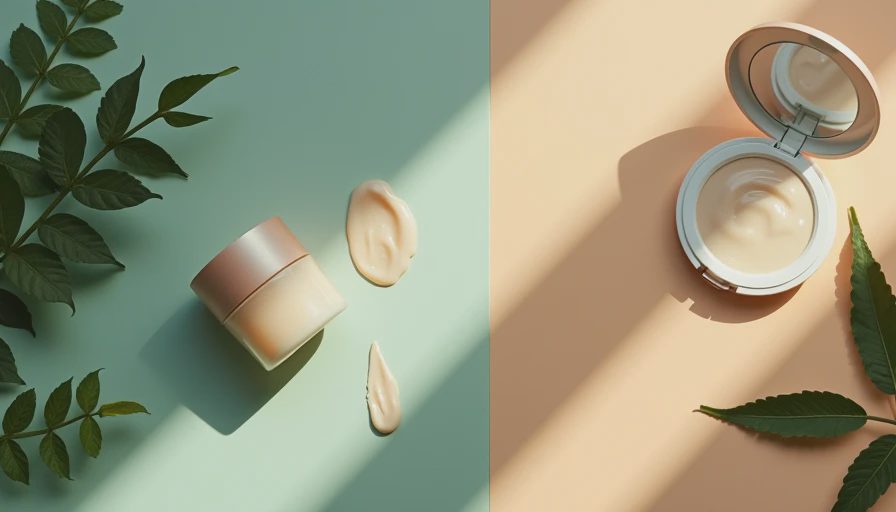
When I compare the best face lotion for aging skin, I separate hydration from treatment ingredients. A plain moisturizer can be an excellent daily product, while a treatment lotion might include retinol, peptides, vitamin C derivatives, or niacinamide. Those categories overlap, but they are not interchangeable.
Retinol has the strongest reputation in this group because it can support smoother-looking texture over time, yet it also deserves a careful introduction. Use a pea-sized amount at night two or three times weekly, follow with moisturizer, and increase slowly if your skin stays comfortable. Some people prefer applying lotion before retinol to soften the experience. Do not treat a product’s retinol percentage as the only measure of quality; packaging, stability, and your ability to use it consistently matter too.
Peptides are generally easy to tolerate and can make a formula feel sophisticated, but I would not pay a large premium for a peptide claim alone. Niacinamide can support the appearance of an uneven tone and help the skin feel less reactive for some users. If your routine already contains several active products, a calm ceramide lotion may deliver more value than another crowded treatment step.
Product examples and cost-per-ounce math
CeraVe Moisturizing Cream is a practical benchmark because it commonly combines ceramides, humectants, and a rich texture at a relatively low cost per ounce. It can be a good nighttime option for dry skin, though some people find it too heavy under makeup. CeraVe PM Facial Moisturizing Lotion is lighter and includes niacinamide, making it easier to layer for combination skin.
La Roche-Posay Toleriane Double Repair Face Moisturizer typically offers a lighter, polished feel with barrier-focused ingredients. It often costs more per ounce than a drugstore basic, but that difference can be worthwhile if the texture makes you apply it every morning and night. Vanicream Daily Facial Moisturizer is another straightforward choice for people who want a short, gentle-feeling formula without a strong scent.
Among higher-priced options, SkinCeuticals Triple Lipid Restore 2:4:2 is the kind of cream I would evaluate for texture, finish, and ingredient design rather than expecting a miracle. It is expensive, so the value depends on whether you appreciate the elegant feel and can afford the repeat purchase. My cost-per-ounce rule is simple: divide the retail price by the number of ounces, then estimate how many months the container lasts.
Match the lotion to your skin type
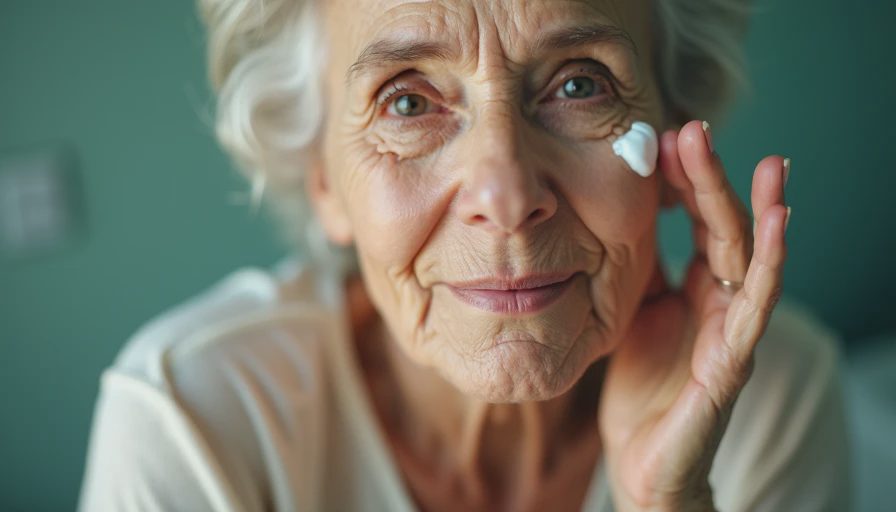
For dry or mature-feeling skin, choose a cream with glycerin, ceramides, shea butter, squalane, or dimethicone near the middle of the ingredient list. Apply it to slightly damp skin after cleansing. If your cheeks still feel tight, add a small amount of an occlusive balm over dry areas at night rather than replacing the entire routine.
For combination or oily skin, search for a lotion or gel-cream with humectants and lighter emollients. “Oil-free” does not automatically mean better, and “noncomedogenic” is not a guarantee for every person, but a lighter texture can be more comfortable in humid weather. A pea-sized amount for the face is usually enough; more product does not create proportionally more hydration.
For sensitive skin, reduce the number of variables. Fragrance is not inherently bad, but it can be an unnecessary source of irritation when your barrier is already unsettled. Avoid introducing a new exfoliating acid, retinol product, and rich moisturizer in the same week. Test one change at a time on a small area first.
The morning routine matters more than the jar
Even the best face lotion for aging skin cannot substitute for daily broad-spectrum sunscreen. In the morning, cleanse gently or rinse, apply lotion, and finish with SPF 30 or higher. Sunscreen is a separate product category because a moisturizer with SPF may not deliver the labeled protection when applied too sparingly.
At night, remove makeup and sunscreen, use your treatment product if you have one, and apply moisturizer. If your face stings after cleansing, pause scrubs and strong acids for several days. A comfortable routine used for six months beats an ambitious routine abandoned after one week.
I also pay attention to packaging. Airless pumps and opaque tubes can protect formulas better than wide-mouth jars, especially when the product contains sensitive ingredients. A jar is not automatically a dealbreaker, but clean hands and a closed lid help limit contamination and unnecessary exposure to air.
My buying checklist before you spend
Before choosing the best face lotion for aging skin, identify your main problem: tightness, rough texture, fine lines, redness, or makeup that separates. Then check the first half of the ingredient list for glycerin, ceramides, squalane, dimethicone, or other useful moisturizers. Decide whether you need a plain barrier cream or a treatment formula, and do not buy both at once if your routine is already busy.
Calculate cost per ounce, read the return policy, and consider the container size. A $16 tube that lasts three months costs about $5.33 per month; a $60 jar that lasts six months costs $10 per month. That premium may be reasonable for a texture you love, but it should be a conscious choice rather than packaging hypnosis.
My final pick is the lotion that leaves skin comfortable, layers well with sunscreen, and does not make you dread the next application. Consistency is the unglamorous advantage behind most good routines. Learn the label, then choose.



No letters yet — be the first to write.