The question expensive serum worth it usually arrives in a Sephora aisle, with a beautiful glass bottle in one hand and a $180 price tag in the other. I understand the hesitation. After 12 years in luxury spas and dermatology clinics, I have used impressive formulas, beautifully packaged disappointments, and plenty of products that sat somewhere in the middle. My answer is rarely a simple yes or no. The ingredient list, concentration, packaging, size, and your actual skin goals matter more than the logo.
I test products with a half-face comparison whenever possible. One side gets the pricier formula, the other gets a less expensive option with a similar purpose. I track texture, irritation, hydration, visible changes, and how the product behaves under sunscreen and makeup. Then I calculate cost per ounce, because a $95 serum in a one-ounce bottle can be a better value than a $68 serum in a half-ounce bottle.
What you are really paying for
When someone asks is an expensive serum worth it, I start by separating the formula from the experience. A higher price can reflect carefully selected ingredients, airless packaging, stability testing, research, or a genuinely elegant texture. It can also reflect a luxury box, a celebrity partnership, retail overhead, and a fragrance-heavy sensory experience. Those details are not automatically bad, but they should not be confused with better skincare performance.
Look near the top third of the ingredient list. Glycerin, propanediol, hyaluronic acid, niacinamide, vitamin C derivatives, peptides, and antioxidants can all serve useful roles, depending on the formula and your routine. Ingredients listed near the bottom may still contribute, especially preservatives or fragrance components, but they are less likely to be the main reason a product costs $200.
Packaging deserves attention too. A vitamin C serum in a dark, tightly sealed bottle has a practical advantage over one in a clear dropper bottle that sits open on a sunny bathroom counter. An airless pump can help protect a formula from repeated air exposure and messy fingers. That is a real design benefit, but it does not prove the serum will transform your skin.
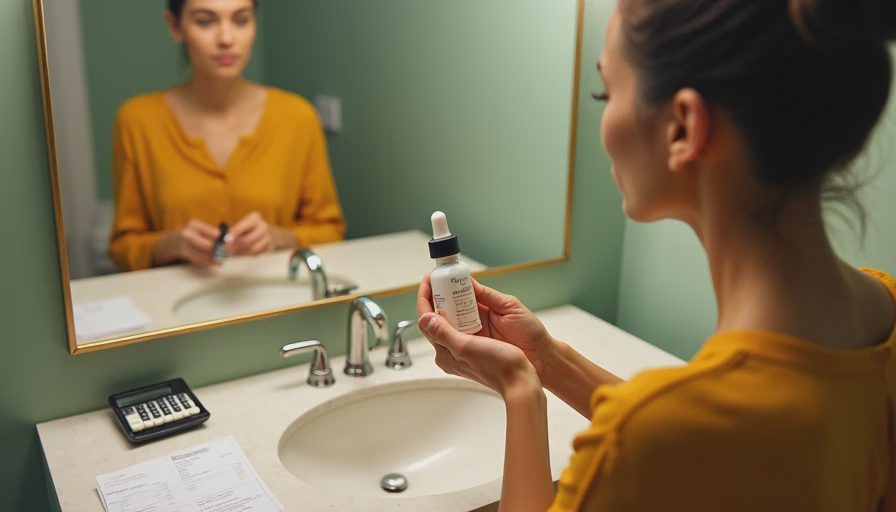
When is an expensive serum worth it?
An expensive serum can earn its price when it combines a well-supported active with a formula you will use consistently. For example, a comfortable antioxidant serum that layers cleanly under sunscreen may outperform a cheaper product you abandon because it pills, stings, or leaves a sticky film. Consistency is not glamorous, but it is one of the most important parts of a routine.
In my testing, the strongest case for spending more usually involves three things: a thoughtful delivery system, a pleasant texture, and a noticeable but realistic improvement after several weeks. I am looking for softer-feeling skin, improved hydration, a more even-looking surface, or less visible dullness. I am not expecting a serum to erase every line or replace professional treatment.
That is why the answer to is an expensive serum worth it can be yes for one person and no for another. If your main concern is dehydration, a $25 serum with humectants and a moisturizer may cover the need. If you are specifically seeking a stable antioxidant formula with a refined texture and will use it daily, paying $80 to $150 could be reasonable.
Cost per ounce changes the comparison
Price tags make comparison difficult because serum bottles come in 0.3, 0.5, 1, and sometimes 1.7 ounces. A $48 half-ounce bottle costs $96 per ounce. A $90 one-ounce bottle costs $90 per ounce. The second product feels more expensive at checkout but is technically the better value by volume.
Here is the quick calculation: divide the purchase price by the number of ounces. If a 0.5-ounce serum costs $72, the cost is $144 per ounce. If you apply two drops morning and night, that bottle might last roughly two to three months, depending on the dispenser. A one-ounce product used at the same rate could last twice as long, although thicker formulas and generous pumps change the math.
I also record how much comes out with each pump. Some packaging dispenses a large amount that encourages waste, while a precise dropper lets you control the dose. A product that costs $120 but lasts six months may fit your budget better than a $45 serum replaced every six weeks. Cost per use is often more useful than cost per bottle.
How I compare an expensive serum with a less costly one
The fairest test starts with similar goals. I would not compare a retinol treatment with a basic hydrating serum simply because both are liquids. Instead, I might compare two antioxidant products or two peptide-focused formulas. I use the products on opposite sides of my face for at least four weeks, unless irritation requires stopping sooner.
I keep the rest of the routine steady: the same cleanser, moisturizer, sunscreen, and makeup. I take notes at the start, after two weeks, and at the end. I look in the same natural light and photograph without filters. A silky first application earns a sensory note, but it does not count as long-term performance.
This method often reveals that the expensive serum worth it question is really a question about priorities. One product may have a more elegant finish, while the affordable option provides similar hydration. Another may offer a more stable active and better packaging, while a cheaper competitor relies on a less protected formula. Neither result requires a dramatic winner.
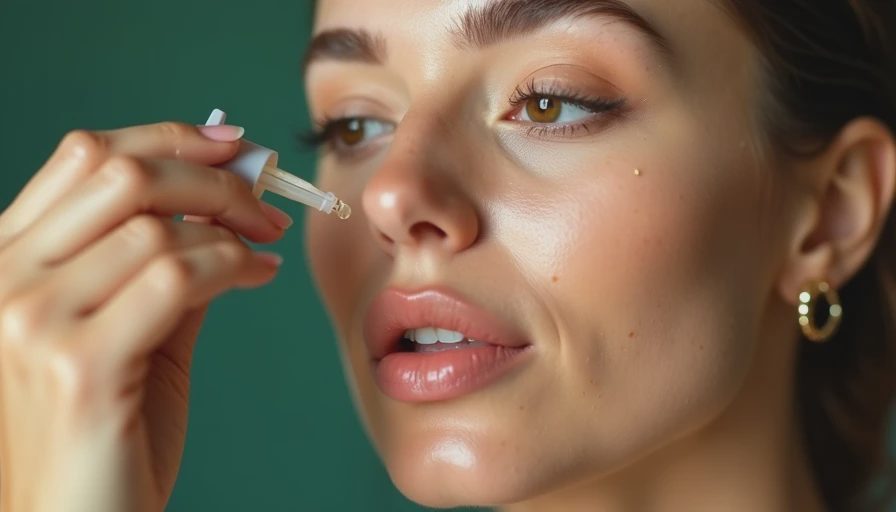
Signs the price is mostly presentation
A high price deserves more scrutiny when the ingredient list is vague, the bottle is much larger than the fill level suggests, or the formula depends heavily on fragrance to create a luxury experience. A lovely scent can make a product enjoyable, and enjoyment has value. It simply should not be presented as evidence of better results.
Be cautious with claims built around a proprietary complex that never explains its key ingredients or approximate role. Proprietary language can protect a blend, but it can also make comparison difficult. I want to know whether the product is primarily hydrating, exfoliating, antioxidant-focused, or designed to support the appearance of firmness.
The answer to is an expensive serum worth it becomes less favorable when the product duplicates three other steps in your cabinet. If you already use a well-formulated moisturizer and antioxidant serum, adding another expensive layer may give you a nicer ritual without adding much visible benefit. A routine with fewer products used consistently is often a smarter purchase.
A practical buying checklist
Before buying, write down the specific result you want and the amount you are comfortable spending per month. Read the full ingredient list rather than relying on the front label. Check the bottle size, then calculate cost per ounce and approximate cost per use. Look for packaging suited to the formula, especially when light or air exposure could matter.
Next, check whether the serum fits your existing routine. Avoid starting several new actives at once, because you will not know which product caused a reaction or improvement. Patch testing can help identify obvious sensitivity, although it cannot predict every facial response. If you have persistent irritation or a skin condition, a dermatologist is the right person to consult.
Finally, consider whether you will actually enjoy using it. If a $35 serum feels sticky but the $85 option makes your morning routine easy, the difference may be worthwhile. Just name the benefit accurately: you are paying for a better experience and perhaps a more suitable formula, not guaranteed perfection.
My bottom line
So, is an expensive serum worth it? Sometimes. I would pay more for a transparent ingredient list, protective packaging, a formula that suits my skin, and results I can observe after a fair testing period. I would not pay more simply because a bottle looks impressive or an influencer calls it revolutionary.
Start with the goal, compare the formula, calculate the cost per ounce, and give the product enough time to show what it can do. If the affordable option performs similarly, keep the savings for sunscreen, a professional consultation, or the next product that fills a real gap. If the pricier formula is more enjoyable and performs better in your own half-face test, it may have earned its place.
Learn the label, then choose.

No letters yet — be the first to write.