The best facial moisturizer is not the thickest jar on the shelf, and it is not the one with the prettiest frosted pump. It is the formula you can wear every day without thinking about it, and it has to match your skin, your climate, and your budget. In Boulder, that matters. Dry air punishes flimsy formulas, but a heavy cream can feel like a sweater you cannot take off if your skin runs oily. When I test products, I care about what the label says, what the texture does in real life, and what each ounce costs.
What I look for in the best facial moisturizer
I start with the ingredient list, because the front of the tube is advertising and the back is the recipe. Glycerin is a workhorse humectant that pulls water into the skin. Ceramides help support the barrier. Petrolatum is the seal that locks moisture in. Dimethicone gives slip and helps reduce water loss without feeling greasy for a lot of people. None of those ingredients is fancy, and that is the point. If a formula is built well, it does not need a long poem on the box to prove it.
The label also tells me who the moisturizer is for. A fragrance-free cream with a short ingredient list usually behaves better for sensitive skin. A gel cream with more humectants and less occlusion often suits combo skin or anyone who hates a heavy finish. A richer cream can still be a smart buy if your skin is dry, tretinoin is in the mix, or winter air is wrecking your face. The goal is not to chase the most expensive jar. The goal is to find something that earns its spot by doing an ordinary job well.
How I test texture without fooling myself
I do half-face comparisons because memory is unreliable and the skin on one side of your face can tell a different story than the other. I cleanse, apply the same serum if I am using one, then put the moisturizer on one side only or swap products side by side on separate days. I look at the same checkpoints every time: how fast it settles, whether it pills under sunscreen, how makeup sits on top, and whether I feel dry again by lunch or still comfortable at bedtime.
The first hour matters, but so does the next morning. Some moisturizers feel great for ten minutes and then disappear completely. Others leave a soft film that makes foundation look smoother but bothers anyone who likes a bare-skin finish. I keep notes on those differences instead of pretending every cream works the same way. When you are choosing the best facial moisturizer for real use, repeatability beats a dramatic first impression.
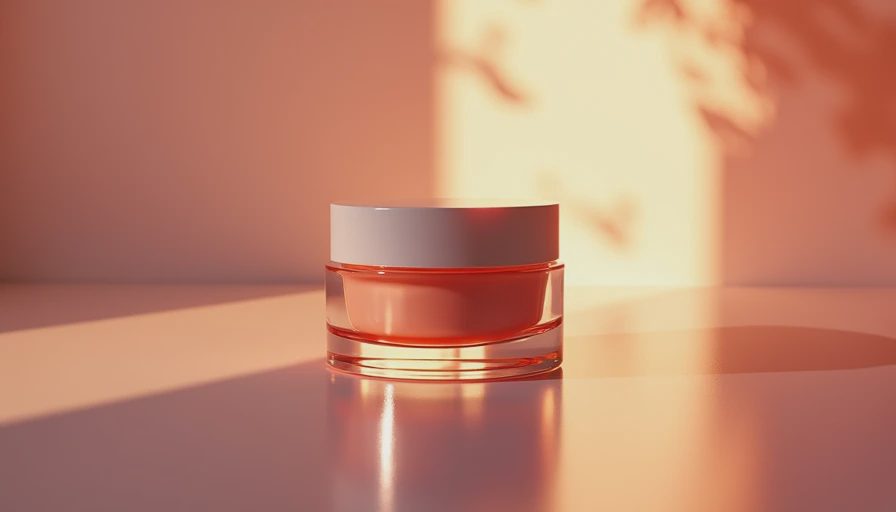
Ingredients that pull their weight
A good moisturizer does not need a 20-step story. It needs a few ingredients that know their job. Glycerin, hyaluronic acid, and sodium PCA help bind water. Squalane adds a light, cushioned feel without the greasy payoff some people hate. Niacinamide can be a nice supporting player if your skin tolerates it, especially in formulas aimed at redness or uneven tone. For barrier support, ceramides and cholesterol matter more than marketing copy.
I also pay attention to what is missing. Fragrance can be fine for some people, but if your skin stings easily, skipping it often makes life simpler. The same goes for overcomplicated formulas that pile on plant extracts just to look impressive. That does not automatically make them bad, but it can make them harder to judge. A cleaner formula gives you a clearer read on whether the moisturizer is actually helping or just smelling expensive.
Why the best facial moisturizer is not always the richest cream
Richest is not always best. A thick cream can be perfect in a dry climate, in winter, or when retinoids have your face acting dramatic. But if your skin is normal or combo, a heavy formula can sit on top instead of sinking in, and that can lead to shine by noon or a weird tacky finish under makeup. The right texture should disappear enough that you stop thinking about it, but not so much that your skin feels tight again an hour later.
This is where brand examples help. CeraVe Moisturizing Cream is a budget workhorse with ceramides and a huge tub size. Vanicream Daily Facial Moisturizer is a lighter, no-nonsense option that many people like when their skin reacts to everything. La Roche-Posay Toleriane Double Repair sits in the middle with a more refined feel. On the splurge side, something like Tatcha The Dewy Skin Cream can feel lovely, but you are paying for texture, packaging, and luxury positioning as much as hydration. None of that is wrong. It just needs to earn the price.
Cost per ounce changes the conversation
This is where the math gets useful. A 19-ounce tub at about $17 works out to well under a dollar per ounce. A 1.7-ounce prestige cream at $72 lands around $42 per ounce. That gap matters if you use moisturizer twice a day and want to buy it more than once. A midpriced 2.5-ounce tube at $22 might seem boring next to the fancy jar, but if it performs well, it can be the smarter buy by a mile.
I am not against expensive skincare. I am against paying for the shape of the jar when the formula inside is just okay. If a pricey cream makes you use it consistently because you love the texture, that has value. If a drugstore cream gets the job done and never irritates your skin, that has value too. The point is to compare by performance and cost per ounce, not by how much the shelf display wants your attention.
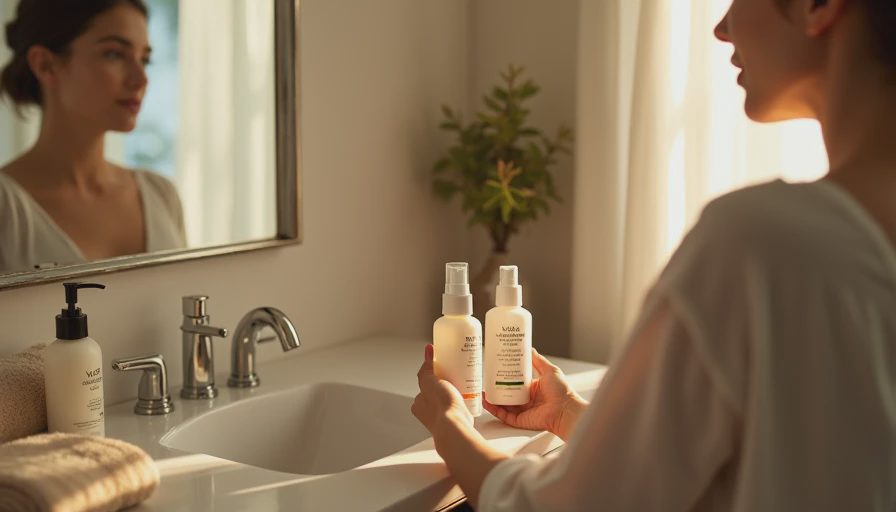
A simple shopping filter for the shelf
When you are standing in Target, Sephora, or the pharmacy aisle, narrow it down fast. First, decide whether your skin wants a lotion, gel cream, or thicker cream. Second, check whether fragrance is a dealbreaker for you. Third, scan the top of the ingredient list for glycerin, ceramides, dimethicone, squalane, or petrolatum, depending on how dry you run. Fourth, compare ounces and price instead of assuming the smallest jar is the best one.
If you want the best facial moisturizer, do not let the aisle talk you into a 12-step personality test. Skin care should fit your actual life. The formula that works on a rainy weekend in Denver might be too much for August in Phoenix, and that is normal. Learn the label, then choose.

No letters yet — be the first to write.