If you’ve ever stood in Sephora staring at three nearly identical yellow bottles and wondering what does retinol do, the short answer is that it helps skin renew itself more predictably. In practice, that can mean smoother texture, softer-looking fine lines, and a little less of the dull, rough look that builds up when skin cells hang around too long. Retinol is not a miracle, and it is not a one-night fix. It is a vitamin A derivative that works gradually, which is exactly why people either love it or give up too early. Used well, it earns its spot in a routine. Used carelessly, it just makes your face cranky.
How retinol works in real skin
Retinol is one step down the vitamin A ladder from prescription tretinoin. Your skin has to convert it before it becomes active, and that conversion is part of why it is usually gentler than a prescription retinoid. It also explains why the results arrive slowly. You are asking skin to behave more like younger, fresher skin over time, not overnight. That means a good retinol can help with texture, the look of fine lines, some post-acne marks, and clogged-looking pores, but it does not erase deep wrinkles or replace sunscreen.
A strong formula is not automatically a better one. For most people, 0.25 percent to 0.5 percent retinol is a smart starting point, and even 1 percent is plenty once your skin has adjusted. If the bottle also includes glycerin, ceramides, squalane, or niacinamide, that is usually a good sign. Those ingredients help keep the experience less irritating, which matters more than marketing language. I like formulas that tell me the retinol is stable, packaged in an opaque tube or pump, and backed by a texture people can actually tolerate for more than two weeks.

What results you can reasonably expect
That is the practical answer to what does retinol do: it nudges the surface of skin toward a faster, more orderly turnover pattern. In real life, that usually shows up first as less roughness around the nose, a little more glow on the cheeks, and makeup sitting better by week six or eight. Fine lines around the eyes and mouth can look softer with steady use, though they do not disappear. Dark marks from old breakouts can also fade faster when retinol is paired with daily sunscreen.
The timeline matters because most disappointment comes from expecting week-two drama. I usually tell people to give a product eight to twelve weeks before deciding if it is worth repurchasing. If you are using something like CeraVe Resurfacing Retinol Serum, RoC Retinol Correxion, or The Ordinary Retinol in Squalane, the difference is often not the label claim but the base formula, the packaging, and how well your skin can stay consistent. A $20 bottle that gets used three nights a week beats a $90 serum that sits in the cabinet because it stings.
How to start without wrecking your barrier
Start with a pea-sized amount for the whole face, not a generous swipe. Apply it at night after cleansing, on fully dry skin, and follow with moisturizer if your skin runs dry. Two nights a week is a sensible entry point for most people. If your skin stays calm for a couple of weeks, move to every other night before you even think about nightly use. Skip strong exfoliating acids on the same night at first, because layering retinol with glycolic acid or a high-strength salicylic treatment is a fast way to confuse your barrier.
Sunscreen is not optional here. Retinol can make skin more sun-sensitive, and the whole routine falls apart if you do not protect the work during the day. A broad-spectrum SPF 30 or higher is the practical minimum, and SPF 50 is even better if you spend time outside. If your skin gets flaky, do not assume the product is a failure. Sometimes you just need more moisturizer, less frequency, or a lower strength. A little dryness is common; burning, persistent redness, and cracking are your cue to back off.
Which formulas are worth the money
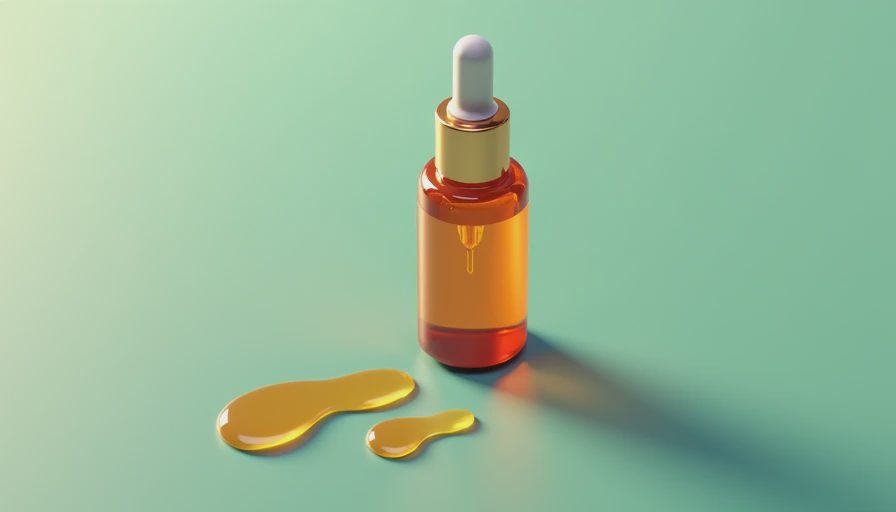
This is where cost per ounce starts to matter. A pretty bottle with a tiny amount of product can be more expensive than a plain pump that performs better and lasts twice as long. I look at how much retinol is actually in the formula, how the product is packaged, and whether the texture invites regular use. For example, The Ordinary’s retinol serums are usually inexpensive for the amount you get, while La Roche-Posay and CeraVe sit in that middle zone where the formula feels polished without turning into luxury pricing. SkinCeuticals often costs more, and sometimes it earns the higher price if the texture, stability, and overall feel are genuinely better.
If you are shopping with a budget, a simple cream or serum in the $20 to $40 range is often enough. If your skin is dry or easily irritated, a cream base with ceramides or squalane can be worth more than a stronger percentage in a stripped-down formula. If your skin is oily, a lightweight serum may be easier to wear consistently. The best buy is the one you will finish, not the one with the loudest launch copy. Learn the label, then choose.
When to pause and ask for help
If your face is persistently hot, raw, or peeling in sheets, stop and reset. There is a difference between normal adjustment and a barrier that is clearly unhappy. You do not need to panic over one flaky patch, but you should take ongoing irritation seriously. Some people also need extra caution with retinoids during pregnancy or while breastfeeding, so that is a good time to ask a clinician what belongs in your routine. If you already use prescription acne products or strong exfoliants, the safest move is to simplify instead of stacking everything at once.
Once you understand what does retinol do, the hype gets easier to sort from the useful stuff. It is a slow, steady ingredient that can pay off if you give it enough time, pair it with sunscreen, and buy a formula your skin will actually tolerate. That is usually better than chasing the priciest bottle on the shelf. Remember the rule I come back to all the time: Learn the label, then choose.



No letters yet — be the first to write.