The best skincare routine is rarely the one with the most bottles. After 12 years working in spas and dermatology clinics, I have seen more irritation come from enthusiastic layering than from an empty bathroom shelf. A useful routine covers four jobs: cleanse without stripping, add targeted support, moisturize, and protect your skin from ultraviolet exposure. Everything else is optional. My goal here is to help you build a best skincare routine that fits your actual mornings, budget, and tolerance for complicated steps.
Start with the foundation
In the morning, rinse or use a gentle cleanser if you wake up oily. Follow with a hydrating serum only if you enjoy the feel and your skin benefits from it. Look for glycerin, panthenol, beta-glucan, or hyaluronic acid. These ingredients help attract or hold water; they are not magic, but they can make dry skin feel more comfortable. Apply moisturizer while skin is slightly damp, then finish with broad-spectrum sunscreen rated SPF 30 or higher.
At night, cleanse thoroughly enough to remove sunscreen, makeup, and city grime. A cleansing balm or oil can be useful for makeup, followed by a mild water-based cleanser if one wash leaves residue. Then apply one treatment product, not three. Finish with moisturizer. This simple order is the backbone of the best skincare routine because it protects the skin barrier while leaving room for one focused experiment.
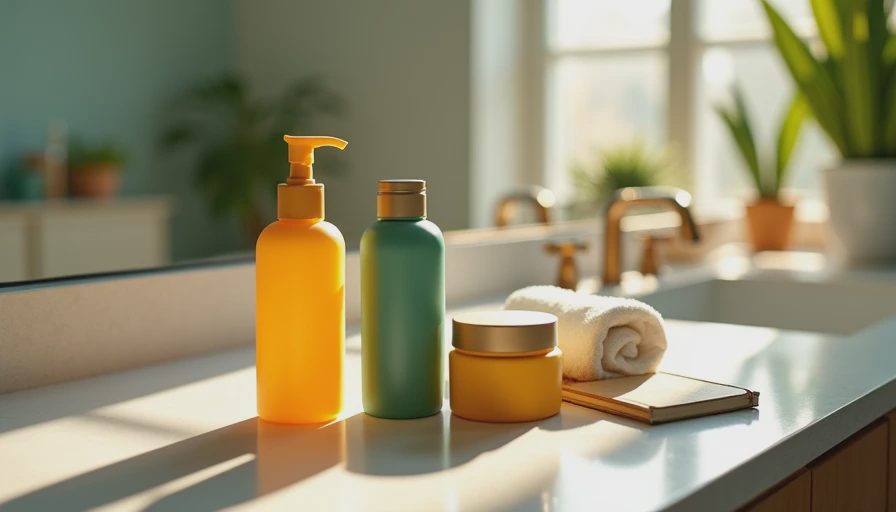
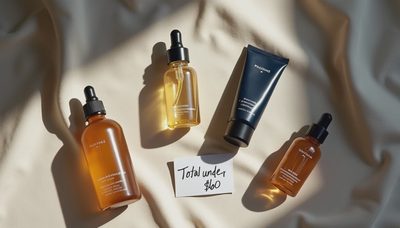
A practical budget is about $8 to $16 for cleanser, $10 to $25 for moisturizer, and $12 to $35 for sunscreen. A 6-ounce cleanser used once or twice daily can last three to five months, while a 1.7-ounce serum may disappear in six weeks. That is why I calculate cost per ounce instead of assuming a higher shelf price means better value.
Choose treatments by skin concern
For occasional clogged pores, salicylic acid can be a sensible option because it is oil-soluble and helps loosen buildup inside pores. Start with a lower-frequency product, such as two evenings per week. For uneven-looking tone, vitamin C in the morning or a retinoid at night may be worth testing, but introduce only one at a time. Retinoids can be irritating, and pregnant or nursing readers should ask a qualified medical professional before using one.
For dry or tight skin, skip the urge to exfoliate harder. A moisturizer with ceramides, glycerin, squalane, or petrolatum is usually a more logical first purchase. Ceramides support the skin barrier, while petrolatum reduces water loss. For reactive skin, fragrance-free formulas often make troubleshooting easier, although fragrance is not automatically a problem for everyone. The best skincare routine matches the ingredient to the concern instead of chasing every trending active.
Read the first five to ten ingredients. Ingredients appear generally from highest to lowest concentration, though ingredients at very low levels can be listed together near the end. A product promising niacinamide, for example, does not need to cost $80 if a $15 formula has a comfortable texture and a clear ingredient list. Texture matters because a product you use consistently beats an impressive formula left untouched in a drawer.
Make the routine easy to test
When I test products, I change one variable at a time and give the product at least two to four weeks unless irritation appears sooner. I use the same cleanser and sunscreen on both sides of my face, then compare one new moisturizer or serum on one side. I record date, amount used, texture, pilling, tightness, visible redness, and whether makeup sits well over it. This is not a clinical trial, but it is much more informative than judging a product after one glowing bathroom selfie.
The same method helps you build your best skincare routine. Take a baseline photo in the same window light. Use a pea-sized amount of treatment, a nickel-sized amount of sunscreen for the face and neck, and the amount that gives comfortable coverage for moisturizer. If you add a retinoid, begin once or twice weekly. If your skin becomes persistently painful, swollen, blistered, or intensely itchy, stop the new product and seek medical advice.
Do not introduce an exfoliating toner, vitamin C serum, retinoid, and acne treatment in the same week. If your skin reacts, you will not know which product caused it. Let your routine become boring before you make it ambitious. Boring is often where consistency starts.

Compare value, not just the sticker price
A $42 moisturizer in a 1.7-ounce jar costs about $24.70 per ounce. A $18 moisturizer in a 3.4-ounce tube costs about $5.30 per ounce. The expensive formula might still earn its place if it spreads beautifully, prevents tightness, and gets used to the last scoop. But if both products deliver comfortable hydration, the cheaper tube leaves more money for sunscreen, which is the step I would protect first.
Packaging also changes the calculation. A pump can reduce contamination and make consistent dosing easier. A wide jar may be perfectly usable, but you might apply too much or avoid it because the texture feels messy. Travel sizes are useful for testing, yet a tiny 0.5-ounce bottle often has a much higher cost per ounce. I like purchasing the smallest reasonable size for a first test, then buying the larger format only after 30 days of regular use.
Brands such as CeraVe, Vanicream, La Roche-Posay, Paula's Choice, and The Ordinary cover very different price points and product styles. I do not consider one brand universally superior. Compare the actual formula, package size, delivery system, and your willingness to use it. The best skincare routine is personal, but value can be measured.
A realistic morning and evening plan
Your morning can be cleanser or water rinse, optional hydrating serum, moisturizer, and sunscreen. If sunscreen feels greasy, try a lighter fluid or gel texture rather than abandoning the step. Give each layer a minute to settle before makeup. If products pill, reduce the amount of leave-on layers or wait longer between them.
Your evening can be makeup removal, gentle cleanser, treatment on selected nights, and moisturizer. On non-treatment nights, use only cleanser and moisturizer. That pause is not wasted time; it gives you a clearer read on whether your skin is comfortable. Once this plan feels automatic, you can decide whether an eye cream, face mist, or exfoliating mask adds something meaningful. None is required.
If you are starting from scratch, buy cleanser, moisturizer, and sunscreen first. Use them for two weeks. Add one treatment afterward and track it for another month. This staged approach prevents a $150 impulse haul from becoming a pile of half-used bottles and gives your skin a fairer test.
The best skincare routine should leave your skin comfortable, your shelf manageable, and your spending intentional. Learn the label, then choose.


No letters yet — be the first to write.