A minimalist skincare routine is not a punishment for enjoying beauty products. It is a way to make your shelf easier to use, your spending easier to track, and your skin easier to understand. After 12 years in spas and dermatology clinics, I have learned that most people do not need nine daily steps. They need a dependable cleanser, a moisturizer that suits their skin, and sunscreen they will actually apply.
The appeal is practical. When you introduce four new serums at once, you cannot tell what is helping, what is irritating, or what is simply expensive water in a pretty bottle. A minimalist skincare routine gives each product a clear job. It also leaves room for one targeted treatment when there is a specific concern, such as dryness, uneven tone, or occasional congestion.
The three jobs your routine should cover
Start with the basics: cleanse, moisturize, and protect. In the morning, rinse or use a gentle cleanser, apply moisturizer if your skin needs it, and finish with broad-spectrum sunscreen rated SPF 30 or higher. At night, remove sunscreen and makeup, cleanse, then moisturize. That is the complete foundation.
A cleanser removes sweat, oil, sunscreen, and makeup from the surface. It does not need to leave your face squeaky, tight, or dramatically refreshed. Glycerin, a common humectant, helps attract water, while mild surfactants lift debris without the aggressive after-feel some formulas create. A 5-ounce cleanser used once or twice daily can last two to four months, so a $12 option may cost less than $5 per month.
Moisturizer supports comfort and reduces the dry, tight feeling that can follow cleansing. Look for humectants such as glycerin, emollients that soften roughness, and occlusive ingredients that help slow water loss. You do not need every category in one formula, but a balanced lotion is often more useful than a separate hydrating mist, essence, and cream.
Sunscreen is the step I would not remove from a daytime minimalist skincare routine. Choose a broad-spectrum SPF 30 or higher with a texture you can use generously. If a $14 drugstore sunscreen sits untouched because it pills under makeup, a $32 formula that you apply consistently may be the better value.
How to add one treatment without creating chaos
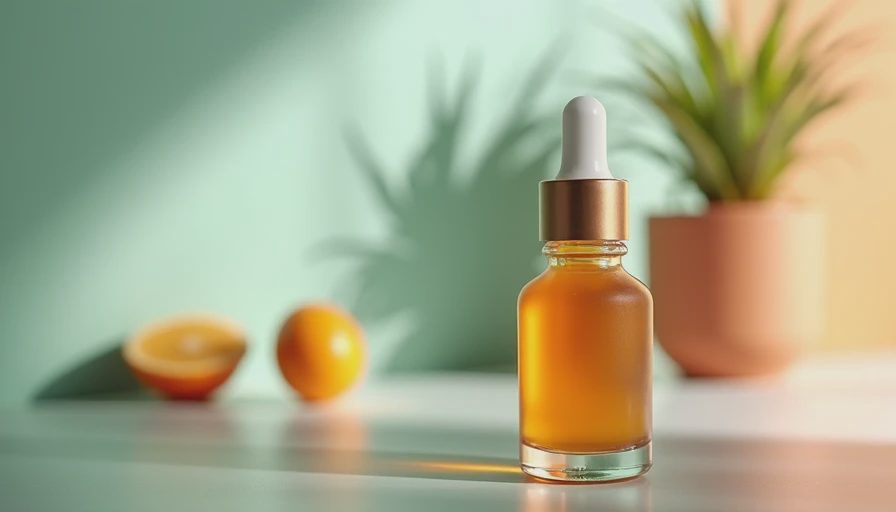
Once your basics feel comfortable for at least two weeks, consider one treatment product. Pick the concern before you pick the ingredient. For occasional clogged pores, salicylic acid can be a reasonable option. For dry, dull-feeling skin, a simple lactic acid product may be more appropriate, though acids are not automatically better. For visible signs of aging, a retinoid is commonly discussed, but it should be introduced gradually and can cause irritation.
Do not start an acid, retinoid, vitamin C serum, and exfoliating mask in the same week. That is not a minimalist skincare routine; it is an uncontrolled experiment. Use one treatment two nights per week at first, apply moisturizer afterward, and observe your skin for several weeks. Burning, persistent redness, swelling, or a rash is a reason to stop and seek professional medical advice rather than push through.
Ingredient labels can help you avoid duplicate purchases. If your toner, serum, and cream all contain glycerin, that does not mean they are identical, but it does mean you may be paying three times for a similar supporting ingredient. The first five ingredients usually tell you more about a formula’s structure than a dramatic claim on the front label.
Cost per ounce changes the buying decision
Price alone is a poor measure of value. I calculate cost per ounce, then consider how much product is required per use and whether the packaging helps preserve the formula. A $28 1-ounce serum costs $28 per ounce. A $16 6-ounce moisturizer costs about $2.67 per ounce. Those numbers do not prove the moisturizer is better, but they make the comparison honest.
For a basic minimalist skincare routine, a realistic monthly budget can range from roughly $20 to $75 before specialty treatments. A $10 cleanser, $14 moisturizer, and $12 sunscreen total $36 upfront, while a higher-end version might include a $32 cleanser, $48 moisturizer, and $38 sunscreen. The more expensive set can feel nicer, but it does not automatically provide three times the benefit.
Packaging deserves attention too. An airless pump can reduce contact with air and fingers, while a jar is convenient but exposes the product each time you open it. Neither format guarantees superior performance. I care more about whether the product remains pleasant to use after six weeks, whether the scent bothers me, and whether I can finish the container before buying another.
A sample routine for different skin preferences
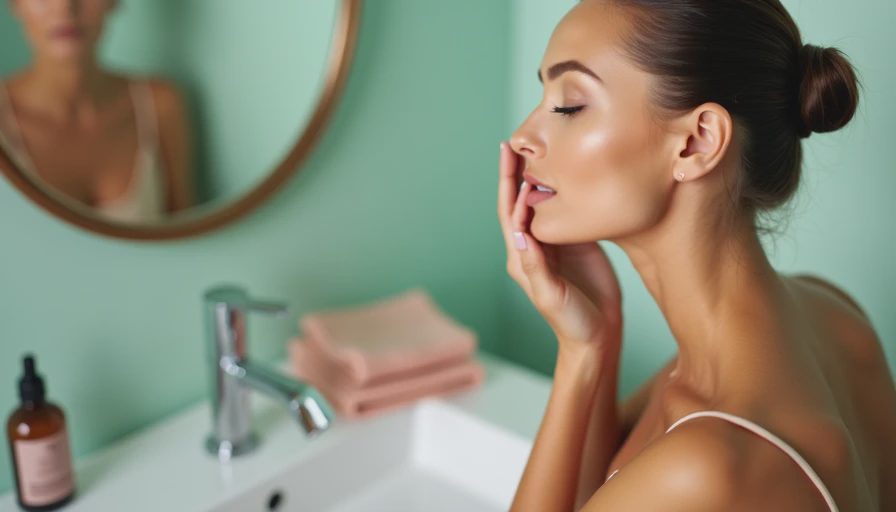
For combination skin, use a low-foam or gentle gel cleanser at night, a lightweight lotion, and a comfortable sunscreen in the morning. If your cheeks feel dry but your T-zone becomes shiny, apply a thinner layer of moisturizer in the center of the face rather than buying a separate product for every zone.
For dry or sensitive-feeling skin, cleansing only at night may be enough if you wake up comfortable. Choose a fragrance-free cream with glycerin and barrier-supporting ingredients, then keep exfoliation occasional. A minimalist skincare routine should reduce friction, not create a new schedule you dread following.
For oily-feeling skin, avoid the assumption that a harsh cleanser is necessary. A lightweight moisturizer can still be useful, because over-cleansing can leave the surface uncomfortable and encourage a cycle of constant product switching. Look for a sunscreen with a finish you like; the best formula is the one that makes daily application easy.
These are starting points, not diagnoses. Skin changes with weather, hormones, medication, stress, and climate. My own routine gets richer in winter in Boulder and lighter during hot summer weeks. The useful question is not “What does everyone online use?” It is “What does my skin need right now, and which product can do that job?”
A simple reset when your shelf is crowded
Put every product in one place and write down its purpose. If you cannot explain what a toner, serum, or mask is supposed to do, set it aside rather than automatically using it. Check expiration guidance, texture, smell, and how long the product has been open. Do not keep using something that consistently stings or makes your skin uncomfortable just because it was expensive.
For the next two weeks, use only cleanser, moisturizer, and sunscreen. Take a photo in the same location and lighting at the beginning and end, not because a camera can diagnose skin, but because memory is unreliable. Then reintroduce one optional product at a time, leaving several days between additions. This gives you useful information and prevents a $60 mistake from becoming a $180 drawer of abandoned experiments.
A minimalist skincare routine is also easier to travel with. Decant cleanser and moisturizer into clean travel containers, pack sunscreen in its original labeled packaging when practical, and skip products you use only once a month. Fewer bottles mean fewer leaks, fewer forgotten purchases, and less time standing under a hotel bathroom light questioning your life choices.
The routine I would build first
Morning: cleanse or rinse, moisturize if needed, and apply broad-spectrum SPF 30 or higher. Evening: remove makeup and sunscreen, cleanse, then moisturize. After the basics are comfortable, add one treatment for one clearly defined purpose. Give it time, track irritation and texture, and judge the cost against actual use rather than the promise on the box.
You do not need to earn permission to keep a luxurious product. If a $70 cream makes you enjoy applying moisturizer and lasts four months, it may earn its place. The point is not to buy the cheapest possible bottle or reject every premium formula. The point is to know what you are paying for and whether the product performs a job your skin and budget actually need.
That is the useful version of a minimalist skincare routine: fewer automatic purchases, clearer ingredient choices, and enough consistency to learn what works for you. Learn the label, then choose.



No letters yet — be the first to write.