A good skin care routine does not need twelve steps, a marble bathroom shelf, or a refrigerator full of tiny bottles. After years of reading ingredient labels in spas and dermatology clinics, I have found that the routines people actually maintain usually contain three to five well-chosen products. The goal is comfortable, supported skin and purchases that earn their place, not a perfect-looking lineup.
Start with the job, not the trend
Before buying anything, decide what you want your skin care routine to do. Are you trying to reduce dryness, manage excess oil, soften the look of uneven tone, or make makeup sit more smoothly? One product rarely handles every concern, and adding several strong formulas at once makes it difficult to know what helped or irritated your skin.
A simple morning routine often includes a gentle cleanser, moisturizer, and broad-spectrum sunscreen. At night, cleanse again and use a treatment product only if you have a specific reason. A hydrating serum can be useful for tight, dehydrated skin, while ingredients such as niacinamide are often chosen for a lightweight, balanced feel. Retinol is another common option, but it deserves a slower introduction because some users experience dryness or irritation.
Think of each product as having a job. Glycerin attracts water to the skin, so it appears in affordable and expensive formulas alike. Ceramides support the skin barrier, while petrolatum creates a surface seal that can reduce water loss. None of these ingredients needs a luxury price tag to be useful.

The order that makes sense
Layering does not have to feel like a chemistry exam. In the morning, wash or rinse your face, apply a treatment or serum if you use one, moisturize, and finish with sunscreen. At night, remove makeup and sunscreen, cleanse, apply a treatment, and moisturize. Thin, water-based products generally go before thicker creams, but comfort matters more than a rigid internet rule.
Give new products a reasonable trial period, but do not push through persistent burning, swelling, or a rash. Introduce one new item at a time and keep the rest of your skin care routine familiar for several days. That simple habit makes it easier to identify a problem formula. I keep a small spreadsheet with the product name, start date, price, size, and notes from each week. It sounds overly organized until a $68 serum starts pilling under sunscreen and you need to remember when the trouble began.
Read the label without getting lost
Ingredient lists are written from the highest concentration to the lowest until the formula reaches its smaller components. The first few ingredients tell you more about the product's base than a dramatic claim on the front label. Water, glycerin, fatty alcohols, silicones, and oils may sound unexciting, but they determine texture and much of the immediate skin feel.
Look for the ingredient connected to your purpose, then assess the entire formula. A serum marketed around niacinamide might also contain fragrance, exfoliating acids, or several botanical extracts. That does not automatically make it a poor choice; it simply tells you to consider your tolerance and the other products in your skin care routine. Fragrance can be enjoyable, and I will not pretend scent has no value. I just do not pay extra for a perfume note while expecting the formula to solve a separate concern.
Price can mislead. A $30 moisturizer in a 1.7-ounce jar costs about $17.65 per ounce, while a $42 moisturizer in a 3.4-ounce tube costs about $12.35 per ounce. The second option is not necessarily better, but the larger package changes the comparison. Cost per ounce gives you a useful starting point, especially when two products use similar base ingredients.
Build a routine on a real budget
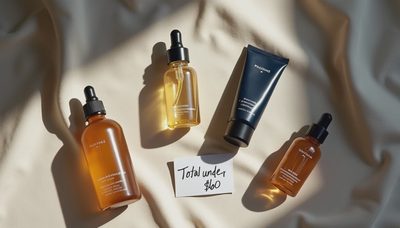
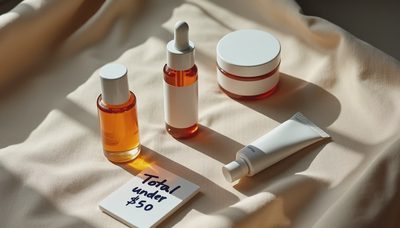
For a basic skin care routine, drugstore products can cover the essentials for roughly $25 to $60 total, depending on package size and sunscreen choice. A cleanser around $8 to $15, moisturizer around $10 to $18, and sunscreen around $12 to $25 can create a workable foundation. Spend more when the texture, packaging, or formula solves a real problem for you, not because a label uses the word premium.
A middle-priced routine might include a $20 cleanser, a $25 moisturizer, a $16 sunscreen, and a $25 treatment. That is about $86 upfront, but products run out at different rates. Cleanser may be replaced every one to three months, while a treatment used sparingly can last much longer. Divide price by the number of ounces and track how many weeks each product lasts. A $90 cream used for nine months can be less expensive per day than a $32 cream that you replace every six weeks.
Package design matters too. Pumps and tubes can help you dispense a consistent amount and reduce the amount left behind in a wide jar. I have cut open enough tubes to know that the final few uses can materially change the cost calculation.

Common mistakes that waste money
The first mistake is changing everything at once. A cabinet full of new acids, masks, and serums is not a controlled experiment. The second is using more product than the label requires. More cleanser does not clean twice as well, and a thicker layer of moisturizer is not always more effective or comfortable.
Another common mistake is ignoring sunscreen while shopping for a complicated evening treatment. Daily broad-spectrum sunscreen is a central part of a skin care routine because sun exposure affects the appearance of uneven tone and visible aging. Choose one you will apply consistently. A $14 sunscreen used every morning is more useful than a $48 formula that sits untouched because it stings your eyes or leaves a finish you dislike.
Finally, do not confuse a temporary sensation with performance. Tingling is not proof that an exfoliant is working, and a cooling effect is usually a texture experience rather than evidence of a special result. Watch for gradual changes in comfort, smoothness, oiliness, and how your skin behaves through the day.
A simple testing plan
Start by photographing your skin in the same location and lighting, without filters. Record what you are using, how often you apply it, and any changes in dryness or sensitivity. Test a new product on a small area first if you are concerned about a reaction, then add it to the routine while leaving other products unchanged.
Review your notes after two weeks for basic tolerability and again after four to eight weeks for slower observations. Some products offer immediate moisture or a smoother feel, while other goals take longer to assess. If a formula is expensive, calculate its cost per ounce before purchase and its cost per use afterward. A two-ounce product priced at $40 costs $20 per ounce; if it lasts 80 uses, that is about 50 cents per application.
You do not need to copy a celebrity shelf or follow a viral skin care routine step for step. Choose a cleanser you enjoy using, a moisturizer that leaves your skin comfortable, sunscreen you will apply, and one targeted product when there is a clear reason. Learn the label, then choose. Your bathroom shelf, budget, and skin will usually thank you.

No letters yet — be the first to write.