Finding the best face cream for mature skin is less about chasing the most expensive jar and more about matching the formula to what your skin actually needs. After years of reading ingredient lists in spa treatment rooms and testing products at my own bench, I look for three things: dependable moisturization, a sensible ingredient combination, and a price that makes sense per ounce.
Mature skin often feels drier because natural oil production can gradually decline, while barrier function and elasticity change over time. That does not mean you need a 10-step routine or a cream with a dramatic promise on the label. A well-made moisturizer can reduce the tight, papery feeling after cleansing and make fine lines look softer simply by keeping the surface hydrated.
What a mature-skin cream should contain
Start with humectants, emollients, and occlusives. Humectants such as glycerin, hyaluronic acid, and panthenol attract water to the outer layers of skin. Emollients, including squalane, fatty acids, and certain plant oils, help smooth rough texture. Occlusives such as petrolatum, dimethicone, and shea butter slow water loss. The best face cream for mature skin usually combines all three categories instead of relying on a single trendy ingredient.
Ceramides deserve attention because they are lipids naturally found in the skin barrier. A cream containing ceramides can be especially useful when your face feels tight after washing or when cold, dry air makes your cheeks uncomfortable. Cholesterol and fatty acids can support that same barrier-focused approach. These ingredients are not glamorous, but they are often more useful than a jar built around a long list of botanical extracts.
For visible lines and uneven texture, look for ingredients with a reasonable track record. Retinol can support smoother-looking skin over time, but it is an active ingredient rather than a basic moisturizer and can cause dryness or irritation. Peptides are generally easier to tolerate, although results are usually subtle and require consistent use. Niacinamide can support the barrier and improve the look of uneven tone for some people. I prefer a moisturizer that does one or two jobs well over a crowded formula trying to do everything.

Four formulas I would compare first
If your skin is dry, flaky, or easily tight, a richer cream is the logical starting point. CeraVe Skin Moisturizing Cream is a practical benchmark because it combines ceramides, hyaluronic acid, and a substantial texture without luxury pricing. Vanicream Moisturizing Cream is another straightforward option for sensitive skin; it is not a glamorous vanity product, but the short ingredient list and low cost can be compelling.
If you want a more elegant finish, consider a formula such as La Roche-Posay Toleriane Dermallergo Cream or First Aid Beauty Ultra Repair Cream. Their textures differ, so I would test a small amount on one cheek before committing. A richer cream can be comforting at night but feel heavy under sunscreen, particularly if you live somewhere humid.
At the higher end, SkinCeuticals Triple Lipid Restore 2:4:2 is an example of an expensive product with a thoughtful lipid-focused concept and a polished texture. It can feel wonderful, but the premium is substantial. Depending on the retailer and size, a luxury moisturizer can cost more than $100, while a drugstore tub may cost under $20. Expensive does not automatically mean better; it means the finish, packaging, and formula experience need to earn the difference.
The best face cream for mature skin is often the one you will apply consistently, not the one with the most impressive shelf appeal. If you dislike a fragrance or the cream pills under makeup, you will use it less, and the theoretical ingredient advantage disappears.
Cost per ounce tells a clearer story
Skincare pricing gets confusing when one jar holds 1.7 ounces and another comes in a 2.5-ounce tub. Divide the price by the number of ounces before comparing. A $18, 2.5-ounce cream costs $7.20 per ounce. A $68, 1.7-ounce cream costs $40 per ounce. That does not settle the quality question, but it shows what you are paying for.
Packaging also affects value. A pump or tube can be more hygienic and easier to use than a wide-mouth jar, but an airless package often costs more to produce. A tub is not automatically a poor choice if you use clean hands and close the lid promptly. I also measure how long a product lasts. Using a pea-sized amount for the face and a little more for the neck, a 1.7-ounce jar might last six to ten weeks depending on frequency and texture.
When I test a moisturizer, I record the opening date, amount used, texture, pilling, fragrance, and how my skin feels the next morning. That simple log prevents a pleasant first impression from becoming an expensive repeat purchase without evidence.
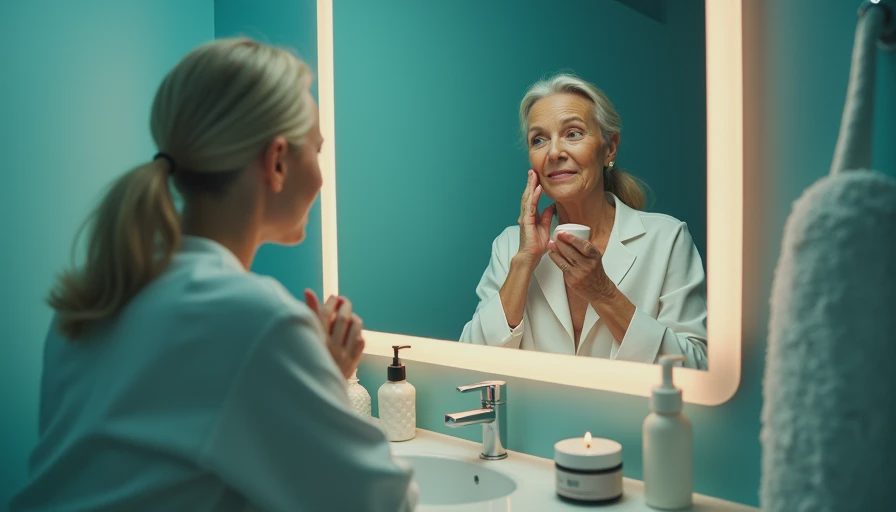
How to test a cream without confusing your skin
Introduce one new moisturizer at a time. Keep your cleanser and sunscreen the same for at least several days, then apply the new cream to one side of your face while using your current product on the other. This half-face comparison is not a clinical trial, but it helps you notice differences in tightness, flaking, shine, and makeup wear.
Test for at least seven to 14 days unless you experience obvious irritation. Check your face at three points: immediately after application, late afternoon, and the morning after. A cream that feels rich for 10 minutes but leaves your cheeks tight by dinner is not doing enough for your routine. Conversely, a product that remains greasy on your pillow may be too occlusive for your preferences.
Patch testing is sensible when you are prone to reactions. Apply a small amount near the jaw or behind the ear for several days before using it across your face. Stop if you develop persistent burning, swelling, or a rash, and seek medical advice for a reaction that does not settle.
Match the cream to your routine
Morning and evening do not require identical textures. In the morning, choose a moisturizer that layers cleanly beneath broad-spectrum sunscreen. CeraVe, Vanicream, and La Roche-Posay offer practical options for this kind of routine, although your preferred finish matters more than the logo. At night, you can use a richer cream or a thin layer over a hydrating serum if your skin loses moisture while you sleep.
Do not stack multiple strong actives just because a product promises age support. If you use a retinoid, exfoliating acid, or prescription treatment, a plain barrier cream may be the smartest companion. Fragrance is a personal choice, but sensitive or reactive skin often does better with a fragrance-free formula. The best face cream for mature skin should make the rest of your routine easier, not create a daily troubleshooting project.
Also remember sunscreen. A moisturizer cannot replace sun protection, and no cream can reverse every visible sign of aging. Apply a broad-spectrum SPF 30 or higher during the day, then give your moisturizer time to prove its value through comfort and consistency.
My buying checklist
Before purchasing, check the full ingredient list rather than the front label. Look for glycerin, ceramides, squalane, fatty acids, shea butter, or dimethicone if dryness is your main concern. Consider a lighter lotion if you are oily in the T-zone, and do not assume mature skin must use the richest possible texture.
Calculate cost per ounce, especially when comparing a $15 drugstore product with a $90 prestige cream. Read the return policy, avoid buying several new actives at once, and sample the texture whenever possible. A cream that disappears comfortably into your skin and fits your budget is a stronger choice than a famous formula you ration because each pump feels expensive.
My practical pick for many people is a fragrance-free, ceramide-containing cream at a moderate price, with a richer option reserved for dry nights. The best face cream for mature skin is not a universal winner; it is the formula that supports your barrier, suits your texture preference, and earns its place in your cabinet. Learn the label, then choose.


No letters yet — be the first to write.