If you have clogged pores, recurring blackheads, or small bumps that seem immune to a gentle cleanser, bha acid is probably already on your skincare shortlist. The confusing part is that BHA stands for beta hydroxy acid, so “bha acid” is technically repetitive. It is also the phrase people use when they are trying to understand salicylic acid products, and I am not here to police a search query. I am here to explain what belongs in your routine and what does not.
What bha acid actually does
The most common BHA in over-the-counter skincare is salicylic acid. Unlike water-soluble alpha hydroxy acids, salicylic acid is oil-soluble. That matters because it can move through some of the oil sitting inside a pore, where dead skin cells and sebum can collect. Think of it as a formula designed to loosen the material contributing to congestion, rather than a facial scrub that physically rubs the surface.
That does not mean bha acid “vacuums” pores or permanently shrinks them. Pore size is largely influenced by genetics, oil production, and skin structure. With consistent use, though, a well-formulated product can make pores look less packed and help reduce the rough texture associated with congestion.
In my treatment room, I usually describe salicylic acid as a maintenance ingredient. It is less about one dramatic overnight result and more about keeping a pattern of buildup from becoming a recurring problem. That distinction saves people from applying more product when patience would have worked better.
Who benefits most from a BHA product
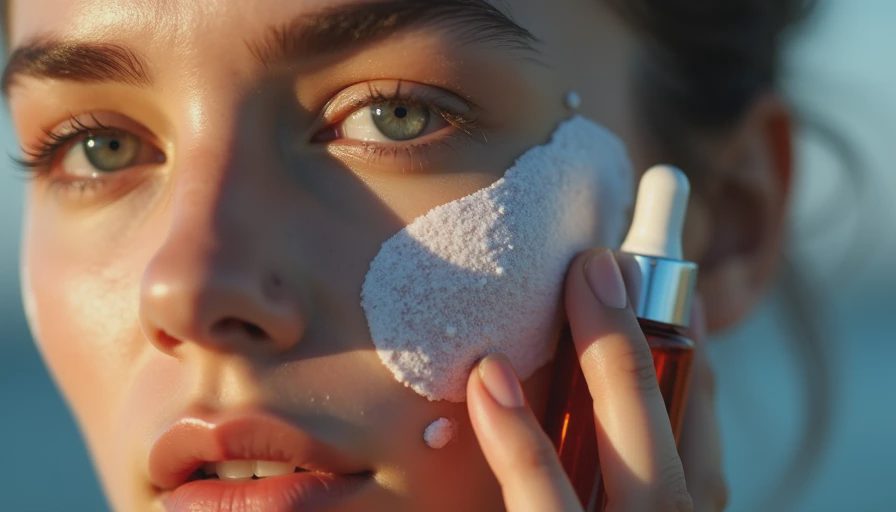
A bha acid product is most useful for combination, oily, and congestion-prone skin. It can be a good fit if your nose develops visible blackheads, your chin feels bumpy, or makeup settles unevenly around the sides of your face. It is also commonly used on the body for rough patches, although the product's directions should specifically support that use.
Dry or sensitive skin is not automatically excluded. The difference is how you introduce it. Start with one application per week on clean, dry skin, followed by a plain moisturizer. If your skin stays comfortable for two or three weeks, move to twice weekly. More frequent use is not automatically more effective; redness, tightness, and stinging are signs to slow down.
I would not start a new exfoliating acid on the same night as a retinoid, benzoyl peroxide, a scrub, or another exfoliating toner. You can eventually use different actives on different nights, but stacking several strong steps makes it difficult to identify the product causing irritation.
Comparing popular formulas by value
The price tag does not tell you whether a formula will suit your face. Paula’s Choice Skin Perfecting 2% BHA Liquid is a familiar leave-on option with a light, watery texture. It often costs more per ounce than drugstore formulas, but the packaging and spreadability make the bottle easy to use consistently. Consistency is part of value.
The Ordinary Salicylic Acid 2% Solution is usually positioned as a lower-cost option. Its small bottle can look inexpensive at checkout, but calculate the price per ounce before calling it a bargain. Naturium’s Salicylic Acid 2% Serum is another accessible choice and has a more serum-like feel that some people prefer. COSRX Blackhead Power Liquid is not the same as a straightforward 2% salicylic acid product; it uses betaine salicylate and has a different texture and labeling approach.
For a simple comparison, take the price and divide it by the number of ounces. A $34, four-ounce bottle costs $8.50 per ounce. A $12, one-ounce bottle costs $12 per ounce. The larger number on the shelf is not always the expensive one. This is why I record cost per ounce beside irritation, texture, and how many weeks a bottle lasts.
How to add bha acid without overdoing it
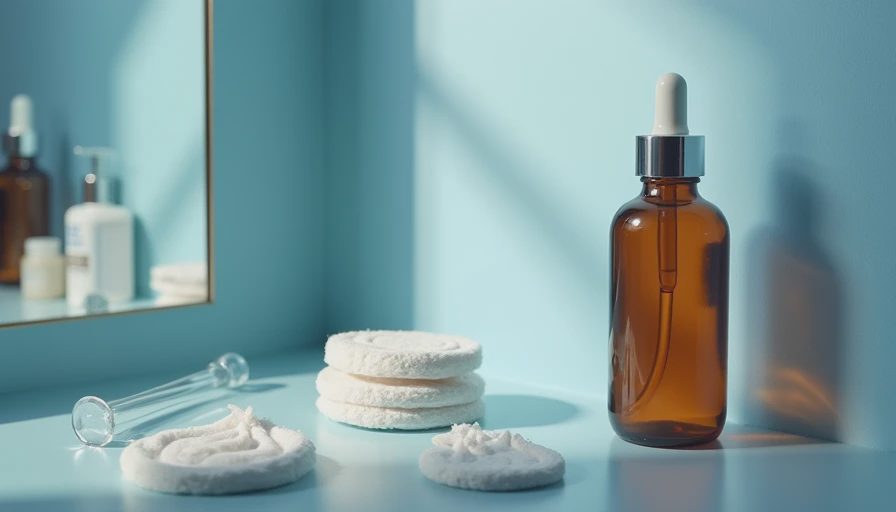
Use a gentle cleanser first, then apply a thin layer of your bha acid product according to the label. You do not need a cotton pad soaked until it drips. Clean fingertips can reduce waste and provide more control, especially with a watery liquid. Avoid the immediate eye area, corners of the nose, and any scraped or freshly waxed skin.
Follow with moisturizer. In the morning, use broad-spectrum sunscreen with SPF 30 or higher because a routine that improves texture still needs daily sun protection. If you use the product at night, you can keep the rest of that evening deliberately boring: cleanser, exfoliant, moisturizer. Boring routines are easier to evaluate.
Give the change at least four to six weeks before deciding whether the product is earning its place. Take a photo in the same bathroom light once a week instead of inspecting your pores at arm’s length every morning. If burning persists, swelling develops, or your skin becomes unusually irritated, stop the product and seek professional medical advice.
Common mistakes that waste money
The first mistake is buying a high percentage and assuming it will work faster. A 2% salicylic acid product is already a meaningful leave-on strength for many routines. The second is using it daily from the first application because the skin feels smooth after one night. That smooth feeling does not prove your barrier is happy.
Another mistake is applying the product only to one obvious blackhead. A thin, even layer on the congestion-prone area usually makes more sense than repeatedly spot-treating the same pore. Do not use a gritty scrub to “help” the acid, either. Physical friction can add irritation without improving the formula’s performance.
Finally, do not replace cleansing, moisturizing, or sunscreen with exfoliation. BHA is one tool. It is not a complete acne plan, and it cannot solve every type of bump. If painful lesions, scarring, or persistent inflammation are part of the picture, a dermatologist is the right person to involve.
My practical buying checklist
Before purchasing, check the active ingredient, concentration, package size, and directions. Look for salicylic acid when you want the most familiar form of bha acid, then compare the full ingredient list for supporting ingredients such as glycerin, panthenol, or soothing humectants. A fragrance-free option can be useful if your skin is easily reactive, although fragrance alone does not determine whether a product performs well.
Next, decide where the product fits. A leave-on liquid is convenient for targeted areas, while a cleanser can feel more manageable for someone who is nervous about irritation. Calculate cost per ounce, but also estimate cost per month. A $30 bottle used for four months can be less expensive in practice than a $14 bottle emptied in six weeks.
My final test is whether you can follow the routine without resentment. The best bha acid product is not necessarily the most famous or the priciest. It is the one that fits your budget, feels comfortable, and gets used at a reasonable frequency. Learn the label, then choose.

No letters yet — be the first to write.