The Ingredient That Appears in Everything
Hyaluronic acid is one of the most common humectants in skincare. It binds water and can make skin look and feel more hydrated when used well. It is also one of the easiest ingredients to market at almost any price point.
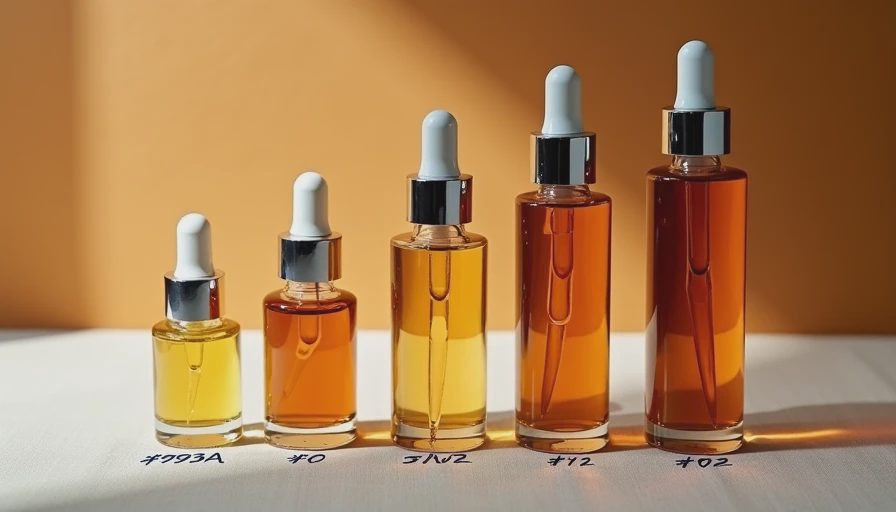
I lined up five serums that all feature hyaluronic acid as a key selling point. Prices ranged from $7 to $120 for similar 30 ml sizes. I compared cost per ounce, what else is in the bottle, packaging, and whether the expensive ones delivered a noticeable difference on my face during side-by-side use.
No brand names required. The pattern is what matters.
The Five Price Points
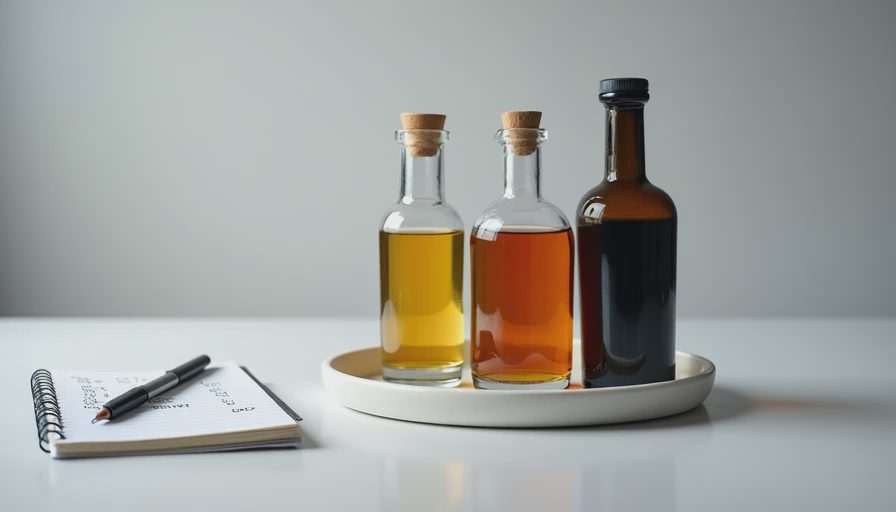
Serum A – approximately $7–10 for 30 ml
Cost per ounce: roughly $7–10.
Simple formula, often just hyaluronic acid (sometimes multiple molecular weights) in a water-glycerin base. Basic dropper bottle. Does the basic job of adding hydration when applied to damp skin and sealed with moisturizer.
Serum B – approximately $18–25 for 30 ml
Cost per ounce: roughly $18–25.
Usually adds glycerin, panthenol, or a light soothing ingredient. Slightly nicer texture. Still straightforward packaging.
Serum C – approximately $35–45 for 30 ml
Cost per ounce: roughly $35–45.
Often includes several sizes of hyaluronic acid, plus ceramides or niacinamide. More elegant dropper or airless packaging. Marketing starts talking about “multi-depth hydration.”
Serum D – approximately $68–80 for 30 ml
Cost per ounce: roughly $68–80.
More complex supporting ingredients, sometimes peptides or additional humectants. Heavier glass, nicer box. The story becomes more elaborate.
Serum E – approximately $110–120 for 30 ml
Cost per ounce: roughly $110–120.
Luxury packaging, brand prestige, and a long list of supporting actives. The hyaluronic acid itself is rarely the expensive part.
What the Math Shows
Hyaluronic acid as a raw material is not costly at the percentages used in most serums. The jump from $10 to $120 is almost never driven by the HA itself. It is driven by:
Additional ingredients (some useful, some fairy-dust)
Packaging weight and design
Brand positioning and marketing
Retailer margins
On my testing bench the $7–25 range already delivered visible plumping when used correctly (damp skin + moisturizer on top). The mid-range options sometimes felt more elegant and included helpful extras like ceramides. The top-tier bottles felt luxurious and occasionally had nicer textures, but the hydration difference after two weeks of half-face style comparison was modest at best.
How I Actually Use and Evaluate Them
I apply hyaluronic acid serums to damp skin and always follow with moisturizer. Used alone in dry Colorado air they can pull moisture from the skin instead of the environment and leave things feeling tighter. That technique matters more than the price of the bottle.
When I compare them I look at:
Texture and how it layers
Whether extra ingredients earn their place
Packaging that protects the formula
Cost per ounce versus the result I actually see
A simple, well-formulated HA serum at the lower end of the price range remains one of the easiest ways to add hydration without spending much. Paying $100+ only makes sense if you genuinely prefer the texture, the extras, or the ritual—and you have already done the math.
The Practical Takeaway
Hyaluronic acid is useful. It is not rare or difficult to formulate. When the bottle costs more than a nice dinner, most of that money is going to everything except the HA molecule.
I still keep a basic inexpensive version and one mid-range option on the shelf. The ultra-expensive ones get tested when they arrive, then usually returned to the “nice but not necessary” category in my notes.
Learn the label, then choose. Check the ingredient list for supporting players, notice the packaging, and divide the price by the ounces. Once you see the cost-per-ounce spread, the decision gets much clearer.
No letters yet — be the first to write.