Dry Skin Does Not Need More Steps
Dry skin gets sold a lot of complicated routines. Essence, ampule, oil, sleeping mask, cream, balm—layer after layer until the bathroom shelf looks like a pharmacy. In the spa I watched clients with tight, flaky skin leave with seven new bottles and still feel dry two weeks later.
Most of the time the problem was not a lack of products. It was a lack of the right ones used consistently, plus too many steps that disrupted the barrier instead of supporting it.
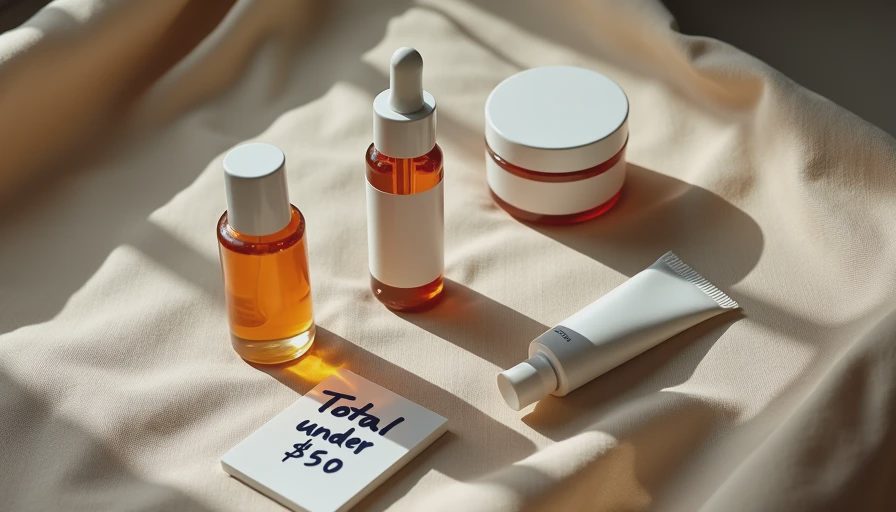
This routine is the version I built for my own dry patches and for clients who wanted comfort without spending a fortune. Total cost stays under $50. Every product has a clear job. Nothing is included for the sake of a longer list.
The Rules Before the Products
Focus on barrier support and water-binding ingredients.
Keep the total under $50 so the routine is sustainable.
Choose textures that feel comforting, not heavy or greasy unless you genuinely like that.
Sunscreen still matters—even dry skin needs daily UV protection.
If a product pills, stings, or sits on the surface without helping, it does not earn a permanent spot.
I tested variations of this routine through dry Colorado winters and after flights. The simplified version consistently outperformed the longer ones.
The Actual Routine (Morning + Night)
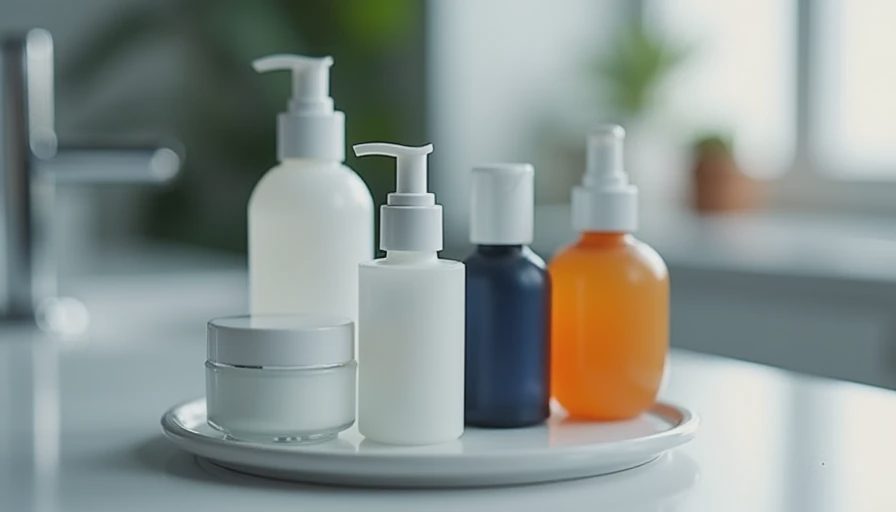
Total cost: $42–49 depending on current prices and where you shop.
1. Cleanser – Cream or Milky, Twice a Day
Avoid foaming cleansers that leave skin tight. A cream, balm, or gentle milky cleanser removes the day without stripping the lipids dry skin already lacks.
Approximate cost: $10–14.
2. Hydrating Serum – Glycerin or Hyaluronic Acid on Damp Skin
This is the water-binding step. Apply to slightly damp skin so the humectants have something to hold onto. A simple formula is enough; you do not need six molecular weights and a $60 price tag.
Approximate cost: $8–12.
3. Moisturizer – Richer Cream with Ceramides
Look for ceramides, cholesterol, fatty acids, or shea/squalane in a comfortable cream texture. This is the main barrier-support product. It should leave skin soft, not greasy or sticky.
Approximate cost: $12–18.
4. Sunscreen – Morning Only, Comfortable Finish
Dry skin often hates tight or matte sunscreens. Choose a hydrating or creamy SPF 30–50 that does not emphasize dryness. Mineral or hybrid formulas that feel moisturizing work well for many people.
Approximate cost: $12–16.
Optional Fifth Product – Plain Occlusive for Night, as Needed
On the driest nights, a thin layer of a simple balm or petrolatum over moisturizer reduces water loss while you sleep. Use only when needed so pores do not get congested.
Approximate cost: $5–8 if you add it.
Morning: cleanse, hydrating serum, moisturizer, sunscreen.
Night: cleanse, hydrating serum, moisturizer (add occlusive on very dry nights).
Why These Categories Work for Dry Skin
No harsh toner. Alcohol or strong astringents make dryness worse.
No separate eye cream required—the face moisturizer works if it is gentle.
No daily oil if the moisturizer is already rich enough; add oil only if you love the feel.
No strong actives until the barrier feels comfortable. Dry, tight skin is not the time to introduce retinol or acids.
I have watched clients drop three or four products, keep a routine like this, and report that their skin felt calmer and looked less flaky within two weeks. The cost-per-ounce numbers also improve dramatically when you stop buying bottles you only use three times.
How to Make It Work in Real Life
Apply the hydrating serum to damp skin—timing matters.
If your skin still feels tight after moisturizer, the formula is not rich enough or you need the occlusive step at night.
Reassess in different seasons. Summer humidity and winter indoor heat change what “enough” cream feels like.
Introduce only one new product at a time so you can tell what helps.
Give the routine at least two solid weeks before deciding it is not enough.
This is the exact structure I return to whenever my own skin starts feeling tight from travel, heating, or over-testing actives. It is fast, affordable, and effective.
Cost-Per-Ounce Reality
When the whole routine stays under $50, each bottle delivers solid value. You are paying for ceramides, glycerin, and comfortable textures instead of elaborate packaging or twelve-step marketing stories. Dry skin needs reliable barrier support more than it needs a bathroom that looks like a showroom.
Learn the label, then choose. Check for ceramides, simple humectants, and a texture you will actually enjoy using morning and night. If a product does not earn its place in this short list, leave it on the shelf. Your skin and your budget will both be better for it.



No letters yet — be the first to write.