If you have ever stood in front of a skincare shelf wondering what do niacinamide do, you are not alone. The ingredient appears in serums, moisturizers, toners, sunscreens, and even some makeup products. It is popular because it is generally versatile, usually affordable, and less fussy than strong exfoliating acids or retinoids. In plain English, niacinamide is a form of vitamin B3 that can support the skin barrier, help manage excess oil, and make uneven-looking tone appear more balanced over time.
What niacinamide is and why it is everywhere
Niacinamide is water-soluble, which means it is commonly added to lightweight water-based formulas. It is not an exfoliating acid, and it does not work by visibly peeling the surface of your skin. Instead, it supports several ordinary skin functions at once. That broad usefulness is why brands place it in products aimed at dryness, shine, redness, visible pores, and dullness.
When people ask what do niacinamide do, the most accurate answer is that it helps the skin behave more comfortably rather than transforming it overnight. Research on topical niacinamide has associated it with improved barrier function, reduced appearance of excess oil, and a more even-looking complexion. In my treatment room, I usually describe it as a steady, practical ingredient. It is not the dramatic overnight option, but it can make a routine easier to tolerate.
The ingredient also has a strong value advantage. A 1-ounce niacinamide serum priced at $12 costs $12 per ounce, while a $68 serum in the same size costs $68 per ounce. The expensive formula could contain a nicer texture, better packaging, or additional useful ingredients, but the higher price alone does not make the niacinamide more effective.
What do niacinamide do for common skin concerns?
For oily or combination skin, niacinamide may help reduce the look of persistent shine, especially around the forehead, nose, and chin. It is not a substitute for cleansing, and it will not permanently change how much oil your skin produces. However, a well-formulated product can make midday shine less distracting without the tight, stripped feeling that often follows harsh alcohol-heavy toners.
For uneven-looking tone, niacinamide can support a more uniform appearance when used consistently. This is different from bleaching or instantly removing a dark mark. Think in terms of gradual visual improvement over several weeks, particularly when daily sunscreen prevents new discoloration from becoming more noticeable.
For the skin barrier, niacinamide can be useful when your face feels dry, tight, or easily irritated by weather and over-cleansing. It works well beside humectants such as glycerin and soothing ingredients such as panthenol. Those ingredients do different jobs: glycerin attracts water, panthenol helps provide a comfortable feel, and niacinamide supports the skin’s broader function.
Choosing the right percentage and product texture
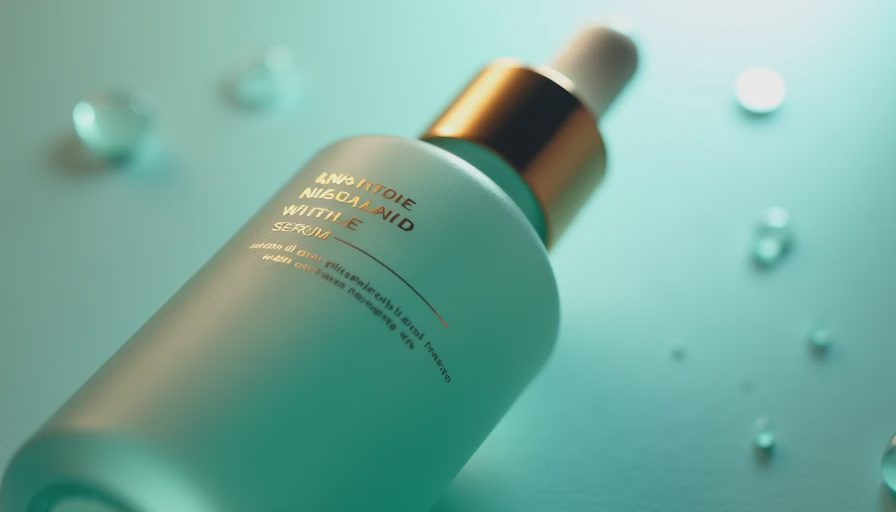
A label showing 10 percent niacinamide is not automatically better than one showing 4 or 5 percent. Higher percentages can feel appealing because the number looks powerful, but some people experience stinging, flushing, dryness, or small bumps with highly concentrated formulas. I usually prefer a product with a sensible concentration and a short, understandable ingredient list over a crowded formula built around a dramatic front-label number.
A 2 to 5 percent formula is often a reasonable starting point for someone new to the ingredient or prone to sensitivity. Ten percent products can suit some oily or resilient skin types, but they are not required for useful results. Look at the rest of the formula as well. Fragrance is not automatically a problem, but it can be unnecessary if your skin is already reactive. A serum with niacinamide, glycerin, and a simple preservative system may be a better everyday choice than a heavily scented product with twelve competing actives.
Texture matters more than many shoppers realize. Gel serums can layer neatly under sunscreen, while richer creams may be better for dry skin. If a product pills under makeup, leaves a sticky film, or makes you dread applying it, even a beautifully designed ingredient list will not earn its place on your shelf.
How to add niacinamide to a routine
Start with clean, slightly damp skin unless the product label says otherwise. Apply a small amount of serum, then use moisturizer. In the morning, finish with broad-spectrum sunscreen. Sunscreen is essential if your goal is a more even-looking tone because ultraviolet exposure can make discoloration harder to improve.
Use the product once daily for the first week. If your skin stays comfortable, you can continue daily or follow the directions on the package. Applying more will not produce faster results; it usually just increases the chance of pilling or irritation. A pea-sized amount is often enough for the face, although pumps and droppers vary.
If you already use a retinoid, benzoyl peroxide, vitamin C, or exfoliating acid, you do not necessarily need to remove everything. The practical approach is to avoid introducing several products at the same time. Add one item, observe your skin for at least several days, and then decide whether the rest of the routine still feels necessary. This makes it much easier to identify the product responsible if your skin becomes uncomfortable.
What do niacinamide do when combined with other ingredients?
Niacinamide is often easy to pair with familiar ingredients. With hyaluronic acid or glycerin, it can fit into a hydration-focused routine. With ceramides, cholesterol, and fatty acids in a moisturizer, it can complement a barrier-supporting approach. With sunscreen, it can sit in a routine designed to protect and maintain a more even-looking complexion.
The old internet warning that niacinamide and vitamin C should never be used together is too absolute for modern skincare. Stable, well-formulated products can include both, and many routines can use them without trouble. The bigger issue is irritation from using too many products, applying excessive amounts, or choosing formulas that do not suit your skin.
Still, more is not always smarter. If your cleanser, serum, moisturizer, and sunscreen already keep your skin comfortable, a separate niacinamide product is optional. Ingredient shopping should solve a real problem, not create a longer bathroom shelf.

Common mistakes and realistic expectations
The most common mistake is expecting niacinamide to clear every blemish, erase established marks, shrink pores permanently, or replace professional treatment. Pores do not open and close like doors. Their appearance can look softer when oil is better managed and the skin surface is hydrated, but the underlying structure remains.
Another mistake is buying a strong serum and applying it twice daily because the bottle promises quick results. If you notice persistent burning, swelling, or a rash, stop using the product and seek medical advice. A brief patch test on a small area can be sensible, but it cannot guarantee that a product will never irritate your face.
Give a simple routine several weeks before judging it. Take a photo in the same room and lighting every week instead of checking your reflection every hour. That approach makes subtle changes easier to notice and prevents you from throwing away a $15 product after three days.
Is niacinamide worth the price?
For most shoppers, yes, when the formula feels comfortable and addresses a specific concern. A basic drugstore serum between $10 and $20 can be a perfectly reasonable purchase. Mid-range products from brands such as The Ordinary, CeraVe, Naturium, or Paula’s Choice may differ in texture, supporting ingredients, and packaging, but the label should still justify the cost.
Before buying, divide the price by the ounces in the bottle. A $16 1-ounce serum costs $16 per ounce; a $24 0.5-ounce serum costs $48 per ounce. If both have a similar percentage and you prefer the cheaper texture, there is no prize for paying more. Learn the label, then choose. That is the most useful answer to what do niacinamide do: it can be a dependable supporting ingredient, not a miracle in a dropper bottle.



No letters yet — be the first to write.