Finding the best moisturizer for older skin is less about chasing the richest jar on the shelf and more about matching ingredients to what your skin actually needs. Mature skin often feels drier because it produces less oil and holds moisture less efficiently, but that does not mean every thick cream is automatically better. In my testing, the winners usually combine water-binding humectants, barrier-supporting ingredients, and a texture you will use consistently.
I look for practical results: less tightness after cleansing, smoother makeup application, and fewer flaky patches after a week or two. I also divide the package price by its size because a $20 drugstore lotion and a $90 luxury cream can be surprisingly close in cost per ounce. Learn the label, then choose.
What older skin needs from a moisturizer
The best moisturizer for older skin usually has three types of ingredients working together. Humectants such as glycerin, hyaluronic acid, and urea draw water toward the outer layers of the skin. Glycerin is the dependable one; it appears in everything because it is effective, affordable, and generally comfortable for many skin types. Hyaluronic acid can create a plumper, temporarily smoother feel, although it is not a replacement for a complete moisturizer.
Emollients, including squalane, fatty alcohols, ceramides, and plant oils, help soften rough texture and fill in tiny spaces between surface cells. Occlusives such as petrolatum, dimethicone, and mineral oil reduce water loss by creating a protective layer. You do not need all three categories in equal amounts, but a formula that includes a humectant plus emollient and occlusive support often feels more balanced than a simple gel.
Ceramides deserve special attention when the skin feels fragile, rough, or persistently tight. They are waxy lipids naturally found in the skin barrier. A cream with ceramides will not reverse every visible sign of aging, but it can make a routine more comfortable and reduce the dry, papery feeling that sends people searching for another product.

Cream, lotion, or balm?
Texture matters because the best moisturizer for older skin is the one that gets applied morning and night. A lightweight lotion can be ideal under sunscreen and makeup, especially if your skin is normal or combination. A cream has more oils and fatty ingredients, making it useful for cheeks, the neck, or winter dryness. A balm is the most protective option, but it can feel heavy and may be better reserved for dry spots rather than the entire face.
For daytime, I often prefer a medium-weight cream with glycerin, squalane, or ceramides. At night, a richer formula can be helpful if your skin feels tight after washing. If you use a retinoid or exfoliating acid, a plain fragrance-free cream may be more useful than a product packed with additional active ingredients. Your moisturizer should make the rest of your routine easier, not turn every evening into an ingredient experiment.
Fragrance is a personal choice, not a moral issue. I enjoy a light scent in a body cream, but facial fragrance can be irritating for some people, particularly when the skin barrier is already stressed. If you are comparing two similar formulas, the fragrance-free version is the safer starting point for a face moisturizer.
Ingredients worth paying for
The best moisturizer for older skin does not need a luxury price tag, but some formulas earn more because they solve a specific problem elegantly. CeraVe Moisturizing Cream is a practical benchmark: it offers ceramides, humectants, and a substantial texture at a relatively low cost per ounce, especially in a larger tub. Vanicream Daily Facial Moisturizer is another straightforward option for people who prefer a lighter, simple formula.
La Roche-Posay Toleriane Double Repair Face Moisturizer usually lands in the middle of the price range and has a comfortable lotion-cream texture. It is a good example of paying for a pleasant finish and carefully balanced formula rather than an exotic ingredient list. At the premium end, SkinCeuticals Triple Lipid Restore is expensive, but its rich lipid-focused texture can feel genuinely special on very dry skin. Whether it earns the price depends on how much you value the sensory experience and how quickly you use the jar.
Peptides, niacinamide, and antioxidants can be useful additions, but they should not distract you from the basics. A $25 cream that prevents tightness is a better purchase than a $100 cream whose impressive label makes you avoid using it.
My cost-per-ounce comparison method
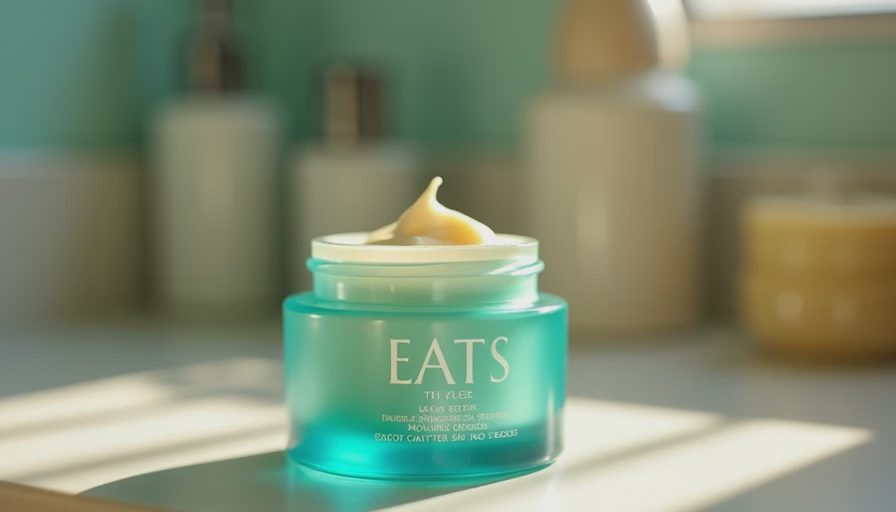
When I test the best moisturizer for older skin, I record the package size, retail price, texture, and how much I use per application. A 1.7-ounce jar at $68 costs $40 per ounce. A 3-ounce tub at $22 costs about $7.33 per ounce. The smaller product may still be worth buying if it spreads farther or feels dramatically better, but the math tells you what you are actually paying for.
I also check whether the container encourages waste. Wide jars can be easy to scoop but expose the cream to repeated contact. Pumps are tidier and make it easier to estimate how much you use. During a half-face test, I apply the same amount to each side and compare comfort after cleansing, midday tightness, and how foundation sits the next morning. I do not call a moisturizer transformative after one use; a hydrated surface can look smoother temporarily, so I want several days of consistent observations.
A useful test at home is simple. Apply your regular cleanser, pat dry, and use the new moisturizer on one side of your face. Keep the rest of the routine identical. Note whether the skin feels comfortable after 10 minutes, at bedtime, and the following morning. If one side stings, pills under sunscreen, or feels greasy enough to discourage use, that is valuable information.
How to build a routine around it
The best moisturizer for older skin works alongside sunscreen rather than replacing it. In the morning, cleanse gently if needed, apply a thin layer of moisturizer, and finish with broad-spectrum SPF 30 or higher. Sunscreen is the step that helps protect against ongoing sun-related visible changes, while moisturizer improves comfort and surface softness.
At night, remove makeup and sunscreen without aggressive scrubbing. Apply moisturizer to slightly damp skin if that feels comfortable; dampness can make a humectant-rich formula feel more cushiony. If you use prescription treatments or retinol, follow the directions from your medical professional and adjust the order or amount if irritation develops. Moisturizer can be applied before or after some treatments depending on your tolerance, but it should not be used to push through persistent burning, swelling, or a rash.
Neck and chest skin often need the same comfort-focused care as the face. You do not need a separate expensive neck cream unless you love its texture. A suitable facial moisturizer applied in a thin layer is usually a more sensible use of your budget.
The bottom line
The best moisturizer for older skin is not necessarily the thickest, newest, or most expensive option. Look for glycerin or another humectant, barrier-supporting lipids such as ceramides, and a texture that suits your climate and routine. Compare cost per ounce, test one product at a time, and give it enough days to judge comfort honestly.
My practical starting point is a fragrance-free cream with ceramides for dry or tight skin, or a lighter lotion if you dislike a rich finish. Spend more only when the formula delivers a texture, packaging system, or comfort level you will genuinely use. Learn the label, then choose.

No letters yet — be the first to write.