Clean beauty pricing can be confusing because the word “clean” does not have one regulated definition in the United States. A $68 serum and a $14 serum can both use botanical extracts, recyclable packaging, and a short ingredient list. The meaningful question is not whether a product looks wholesome on a bathroom shelf. It is whether the formula, amount, packaging, and results justify what you pay.
I look at skincare the same way I look at a hotel bathroom amenity: first I notice the scent and texture, then I check what is actually inside. Clean beauty pricing becomes easier to judge when you separate the product story from the cost per ounce. That simple math will not tell you everything, but it quickly shows whether a tiny bottle is a thoughtful formula or an expensive decoration.
Why clean beauty products can cost more
Some higher prices are reasonable. A small brand might buy ingredients in lower quantities, formulate without a large corporate supply chain, or use airless packaging that helps protect a delicate vitamin C or retinol alternative. Independent testing, stability work, certified organic ingredients, and low-volume glass packaging can add real costs.
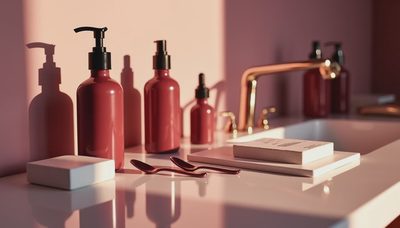
Other expenses are mostly presentation. A heavy frosted bottle, custom carton, embossed logo, and carefully staged marketing campaign can make a moisturizer feel luxurious before it touches your skin. None of those features automatically improve hydration or comfort. Clean beauty pricing often reflects branding as much as formulation, especially when a product emphasizes a lifestyle rather than naming useful ingredients and their concentrations.
The term “natural” also does not guarantee that a product will suit sensitive skin. Essential oils and fragrant plant extracts can smell beautiful, but fragrance is still fragrance whether it comes from a laboratory or a lavender field. I am not telling you that every aromatic formula is a bad choice. I am telling you to pay for the experience knowingly, rather than assuming the word clean makes the experience universally gentler.
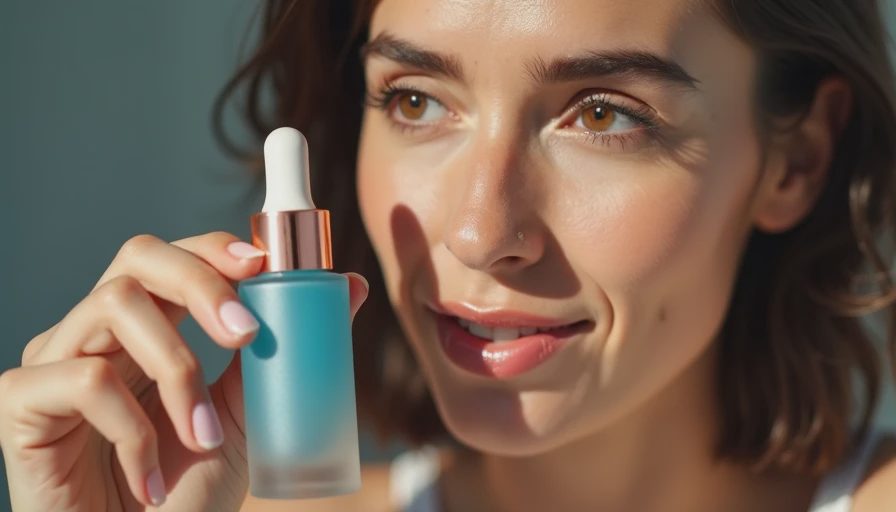
The cost-per-ounce test
To calculate the basic cost, divide the price by the number of ounces. A $36, 1.7-ounce cleanser costs about $21.18 per ounce. A $22, 5-ounce cleanser costs $4.40 per ounce. That is a dramatic difference, but cleanser is rinsed away quickly, so cost per use can be more useful than cost per ounce.
For a serum, cost per ounce is usually revealing. A $64 bottle containing 1 ounce equals $64 per ounce. A $42 bottle containing 0.5 ounce equals $84 per ounce, even though the shelf price looks lower. If you use two drops nightly and the bottle lasts four months, the first product costs about 53 cents per day. That daily number gives you a more realistic view of clean beauty pricing than the large number printed on the receipt.
Always check the net amount, not the package size. A tall bottle can contain less product than a compact jar, and a dropper may leave a small amount behind. I record the purchase price, fluid ounces, number of pumps, and the date I open each product. After a few weeks, I can see whether the formula is genuinely economical or whether I am applying too much because the pump dispenses very little.
What you are actually paying for in the formula
Ingredient order matters, but it is not a complete value score. Glycerin is inexpensive and excellent at pulling water toward the skin. Squalane can provide a smooth, lightweight feel without requiring a luxury price. Ceramides, panthenol, niacinamide, and well-formulated antioxidants can also appear in reasonably priced products. A short ingredient list is not automatically better than a long one; preservatives, texture agents, chelators, and stabilizers all have jobs.
When I evaluate clean beauty pricing, I ask three questions. Is there a clear reason for the product to exist? Does the formula contain ingredients that support that purpose? Can the packaging protect the formula through normal use? A facial oil in a light-protective bottle might make sense. A clear jar for a light-sensitive active deserves more scrutiny, regardless of how attractive it looks on a vanity.
Consider a facial oil priced at $48 for 1 ounce. If it contains a pleasant blend of jojoba, rosehip, and sunflower oils, you might enjoy it, but those ingredients are available at much lower prices elsewhere. The premium could still be worthwhile for the scent, finish, or sourcing standards. The honest conclusion is not “overpriced” in every case. It is “you are paying for a refined experience, not necessarily a unique skincare result.”
Comparing clean beauty pricing at different budgets
At the drugstore, brands such as Versed, Good Molecules, and The Ordinary often make cost comparisons easy because their packaging and product sizes are relatively straightforward. A $12 hydrating serum may provide humectants and soothing ingredients without a dramatic ritual. That can be a strong value if your goal is comfortable, moisturized skin.
In the middle range, brands such as Biossance, Cocokind, and Youth to the People often charge more for texture, packaging, ingredient sourcing, and a polished user experience. Some products earn the difference. A well-made moisturizer that feels good enough to use every night can outperform a cheaper product abandoned in a drawer.
At the prestige end, Tata Harper, Herbivore, and similar lines can reach $50 to more than $100 for a serum or cream. Clean beauty pricing at that level needs a specific reason: unusually elegant texture, careful packaging, a formula you genuinely prefer, or results you can observe consistently. A beautiful scent alone is a valid personal preference, but it is not evidence that the product is more effective.
Here is the comparison I use: if two moisturizers both last about three months, compare their total three-month cost, not just their ounce price. A $30 cream used generously may be cheaper per day than a $22 cream that requires three layers. Usage changes the math.
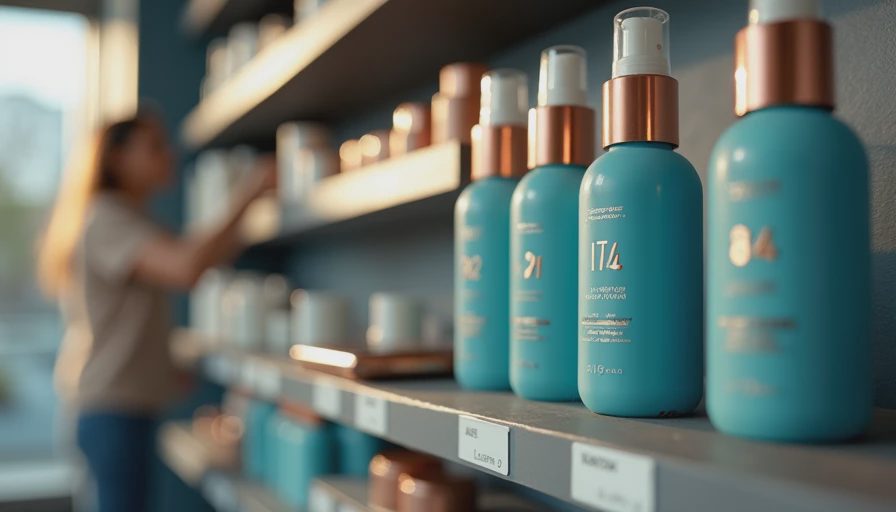
A practical shopping process
Start by writing down the product’s price and net size before reading reviews. Divide price by ounces, then estimate how long it will last based on the directions. Next, scan the first half of the ingredient list for the formula’s main purpose. For a cleanser, look for a comfortable surfactant system and supporting humectants. For a moisturizer, look for a balance of water-binding ingredients, emollients, and occlusives. For a serum, identify the featured active and the ingredients that support its texture and stability.
Then look at packaging. A pump or opaque tube can be a practical advantage for a formula that is sensitive to air or light. A wide-mouth jar is not automatically unacceptable, but repeated finger contact is less convenient and can expose the product to more air. Finally, ask whether you will use it consistently. The best clean beauty pricing is attached to a product that earns a regular place in your routine.
Do not build an entire routine at once. Buy one cleanser, moisturizer, or treatment, then give yourself several weeks to observe comfort, dryness, pilling, scent fatigue, and actual usage. Changing four products together makes it nearly impossible to know which purchase deserved your money.
When an expensive product earns its price
I have tested expensive products that I would not repurchase, and I have tested expensive products that made sense for specific reasons. A rich cream with an elegant finish can be worthwhile for someone whose skin feels tight every winter. A serum with a stable, well-protected active may justify more than a basic hydrator. A product that takes one pump instead of three can also change the cost-per-use calculation.
The key is separating preference from proof. If you love a $72 cream because it feels calming, layers well under makeup, and lasts four months, that is useful information. You do not need to pretend it is a bargain. You also do not need to apologize for enjoying it. Clean beauty pricing should help you make an informed choice, not remove pleasure from skincare.
Before buying, write down the result you want, the amount you receive, and the price per ounce. Compare at least one less expensive alternative with a similar product type. Read the full ingredient list, not just the front label. If the premium still makes sense after that, you are choosing the product rather than its marketing.
Learn the label, then choose. That is the simplest way to make clean beauty pricing work for your skin and your budget.

No letters yet — be the first to write.