The drugstore vs luxury moisturizer debate usually starts in a bathroom aisle: one cream costs $12, another costs $85, and both promise hydrated, smoother-looking skin. After years of reading ingredient labels and testing products in half-face comparisons, I have learned that the expensive jar is not automatically better. It can be more elegant, more pleasant to use, or packaged with a higher concentration of certain ingredients. But the label and the cost per ounce tell a more useful story than the price tag alone.
What You are Actually Paying For
In a drugstore vs luxury moisturizer comparison, the base formula often matters more than the logo. Most effective moisturizers rely on familiar categories of ingredients. Humectants such as glycerin and hyaluronic acid help attract water to the outer layers of skin. Emollients, including fatty alcohols, squalane, and plant oils, help soften rough texture. Occlusives such as petrolatum, dimethicone, or shea butter help reduce water loss.
Those ingredients are not exclusive to prestige skincare. A $14 lotion can contain glycerin, ceramides, and dimethicone in a practical, well-balanced formula. A $75 cream might add a beautiful texture, a refined fragrance, or a more unusual botanical extract. Those upgrades can be enjoyable, but they do not automatically translate into more hydrated skin.
Packaging also affects price. A heavy glass jar, custom cap, department-store display, sampling program, and large marketing budget all add cost. None of those factors is inherently bad. If opening a cream with a soft fragrance makes you more likely to moisturize every night, that experience has real value. It simply should not be confused with proof that the formula is twice as effective.
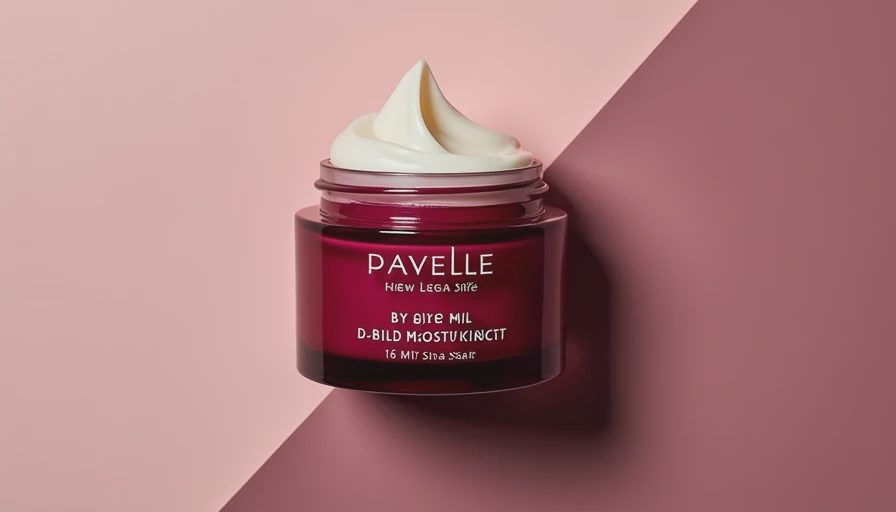
Compare the Ingredient Lists, Not Just the Claims
When I test drugstore vs luxury moisturizer products, I start with the first five to ten ingredients. Ingredients are generally listed from greatest to smallest amount until the formula reaches very low concentrations. This is not a perfect way to determine performance, because percentages are usually not disclosed, but it gives useful context.
Look for a water-based formula with humectants near the top if your skin feels tight after cleansing. Glycerin is a particularly common and useful example; it pulls water toward the skin surface and works across many skin types. If your cheeks feel dry or rough, scan for emollients such as squalane, fatty acids, or ceramides. If moisture disappears quickly, an occlusive ingredient can make a noticeable difference.
Then check the ingredients near the end. Fragrance, essential oils, and botanical extracts are not automatically a problem, but they can be irritating for some people, especially when the skin barrier is already stressed. A fragrance-free drugstore product may suit reactive skin better than a scented luxury cream. Conversely, someone with comfortable, nonreactive skin might genuinely prefer the scent and silky finish of a prestige formula.
The Cost Per Ounce Test
The sticker price makes luxury skincare look more expensive, but package sizes can distort the comparison. A $16 moisturizer in a 3.4-ounce pump costs about $4.71 per ounce. A $68 cream in a 1.7-ounce jar costs $40 per ounce. That is a dramatic difference before considering how much product you use each time.
For a fair drugstore vs luxury moisturizer comparison, divide the purchase price by the net weight or volume shown on the package. Do not compare a 1-ounce treatment jar with a 4-ounce body lotion and assume they are interchangeable. Also record how many weeks the container lasts. A rich cream may require only a pea-sized amount, while a thin lotion may take two pumps for the same areas.
My spreadsheet includes purchase price, ounces, texture, fragrance, and the date each container is opened. A $30 product that lasts six months can be a better monthly value than a $12 product that runs out in six weeks. Still, cost per ounce is the cleanest starting point because it exposes the premium immediately.
What Half-Face Testing Can Tell You
A half-face test is not a clinical trial, but it can reveal practical differences. I apply one moisturizer to the left side and another to the right side for at least seven to fourteen days, keeping cleanser, sunscreen, and other products consistent. I note tightness after washing, how makeup sits, midday shine, flaking, and whether the formula pills under sunscreen.
In one typical drugstore vs luxury moisturizer test, the luxury cream felt smoother immediately because it used a richer blend of emollients and a more polished silicone texture. The drugstore formula felt lighter and absorbed faster. By the end of the second week, both sides looked similarly comfortable, but I preferred the luxury side under makeup and the lower-cost side on warm mornings.
That result is common: immediate sensory differences can be obvious, while long-term hydration differences are smaller. A pleasant formula may earn its price for you if it improves consistency. It does not earn the price for everyone.
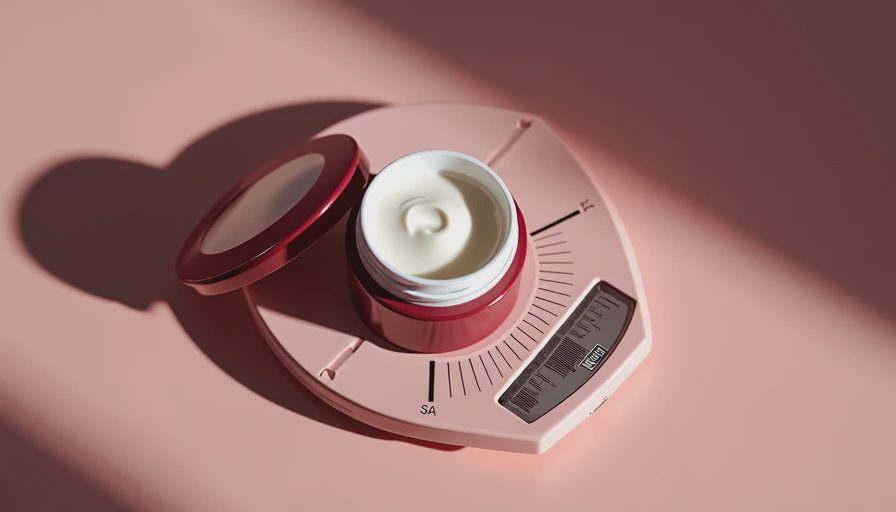
Which Formula Fits Your Skin?
Dry skin often benefits from a cream containing humectants, emollients, and an occlusive layer. Look for ingredients such as glycerin, ceramides, cholesterol, squalane, dimethicone, or petrolatum. You do not need every ingredient in one jar, but a balanced combination usually feels more protective than a lightweight gel alone.
Combination or oily skin may prefer a lotion or gel-cream with glycerin, niacinamide, and lightweight emollients. A drugstore option can be especially practical here because you can apply a thin layer to the whole face and add more only to dry areas. Heavy fragrance is not a benefit for skin that already feels congested or easily irritated.
Mature skin is not a skin type by itself, so focus on comfort, dryness, and tolerance. A richer moisturizer can reduce the look of temporary dehydration lines by improving surface hydration. It will not replace sunscreen or act like a prescription treatment, but it can make skin look more supple.
When Luxury Is Worth Considering
Luxury moisturizer earns consideration when its texture solves a real routine problem. Perhaps it spreads evenly with a small amount, layers under foundation without pilling, or feels comfortable enough that you use it every night. Some prestige formulas also include well-chosen barrier-supporting ingredients and carefully developed delivery systems. Those details can justify a higher price when you understand what you are buying.
I would not pay extra merely for a rare-sounding botanical, a celebrity association, or a jar that looks impressive on the vanity. In drugstore vs luxury moisturizer testing, the most defensible premium is usually performance you can repeatedly observe: better tolerance, a finish you prefer, or a texture that fits your routine.
Before buying the full size, check whether the brand offers a sample, travel size, or generous return policy. Use it for several nights rather than judging only the first application. If the formula causes persistent stinging, redness, or discomfort, stop using it and consider professional advice, especially if you have an ongoing skin concern.
The best drugstore vs luxury moisturizer is the one that supports consistent use at a price you can comfortably replace. Read the label, calculate the cost per ounce, and test the texture against your actual routine. Learn the label, then choose.

No letters yet — be the first to write.