A vitamin c serum comparison is useful because the most expensive bottle is not automatically the best one for your skin. I have opened enough dropper bottles to know that the details matter: the form of vitamin C, the packaging, the supporting ingredients, the texture, and the cost per ounce all tell part of the story. A serum can feel luxurious and still be a poor value, while a modestly priced formula can produce a more comfortable, consistent routine.
My approach is simple. I read the ingredient list, calculate the price per ounce, apply products on separate areas when possible, and pay attention to changes in tone, texture, hydration, and irritation over several weeks. This is not a promise of overnight transformation. It is a practical way to spend your skincare budget with fewer regrets.
What to look for on the ingredient label
The first question in any vitamin c serum comparison is which form of vitamin C the product uses. L-ascorbic acid is the classic form and the one most often associated with brightening and supporting collagen production in topical skincare. Formulas commonly use concentrations around 10% to 20%. Higher is not automatically better; a strong formula can be uncomfortable, especially if your skin is already using retinoids, exfoliating acids, or benzoyl peroxide.
You will also see derivatives such as sodium ascorbyl phosphate, magnesium ascorbyl phosphate, ascorbyl glucoside, tetrahexyldecyl ascorbate, and 3-O-ethyl ascorbic acid. These ingredients are designed for better stability or a gentler skin feel, although their performance and supporting research differ. I do not dismiss a derivative simply because it is not pure L-ascorbic acid. A comfortable serum used five mornings per week is more useful than a powerful serum abandoned after three applications.
Look for supporting ingredients, too. Vitamin E and ferulic acid are often included in L-ascorbic acid formulas because they can support antioxidant performance and formula stability. Glycerin, panthenol, and hyaluronic acid can make a serum more hydrating. Fragrance is not automatically a problem, but it is an unnecessary variable if your skin stings easily.
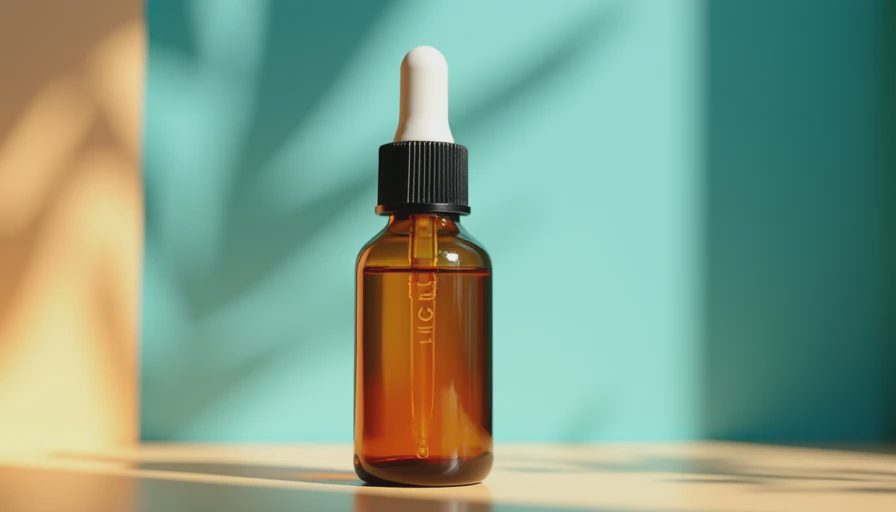
Three formulas that show the price differences
For a useful vitamin c serum comparison, I like comparing formulas by category rather than pretending every bottle competes in exactly the same way. Timeless 20% Vitamin C Plus E Ferulic is a familiar budget example. Its price is often substantially lower than prestige options, and the formula focuses on L-ascorbic acid, vitamin E, and ferulic acid. The trade-off is a more watery texture and packaging that requires careful storage.
Mad Hippie Vitamin C Serum sits in a different lane. It uses a blend that includes a vitamin C derivative along with ingredients such as konjac root, hyaluronic acid, and vitamin E, depending on the current formula. It tends to feel more cushiony and approachable for someone who dislikes a sharp, acidic serum. The cost per ounce can be reasonable, but the comparison should focus on your desired texture and tolerance, not just the front-label percentage.
Skinceuticals C E Ferulic is the prestige benchmark many shoppers recognize. It uses a well-known combination of L-ascorbic acid, vitamin E, and ferulic acid, and the packaging and formulation have helped establish its reputation. It is expensive, often costing well over $150 for one fluid ounce. That price can make sense for someone who values the specific texture, established formulation, and sensory experience. It does not mean every person will see results proportionate to the price.
Cost per ounce changes the conversation
Sticker price hides the useful number. Divide the product price by the ounces in the bottle. A $25 serum in a 1-ounce bottle costs $25 per ounce. A $42 serum in a 1.7-ounce bottle costs about $24.71 per ounce, so the more expensive checkout total is not necessarily the more expensive formula to use. Apply the same math to a $35 bottle with 0.5 ounce: that is $70 per ounce before shipping or discounts.
In my vitamin c serum comparison notes, I also record how many pumps or drops I use per application. If a dropper releases a large puddle, the bottle may disappear faster than expected. Two or three drops are usually enough for the face, though the correct amount depends on the formula and how it spreads. Do not stretch a serum so thin that you miss the areas you want to cover, but do not pour half the bottle into your palm either.
Packaging deserves a line in the value calculation. L-ascorbic acid is vulnerable to air, light, and heat. An opaque, tightly closed bottle is preferable to a clear jar sitting on a sunny bathroom shelf. A serum that turns noticeably dark orange or brown may have oxidized, especially if the product originally appeared nearly clear or pale yellow. Color alone cannot diagnose performance, but a dramatic change plus an unpleasant smell is a good reason to replace it.
How I compare results without overpromising
A fair vitamin c serum comparison needs consistent conditions. I introduce only one new product at a time, use it in the morning, and follow with moisturizer and broad-spectrum sunscreen. Sunscreen is essential because a brightening serum does not replace UV protection. During the first week, I use the serum every other morning if my skin is sensitive. If there is persistent burning, swelling, or a rash, I stop rather than trying to push through it.
I photograph the same area in similar indoor light and note whether my skin looks more even, feels hydrated, or develops dry patches. I do not call every temporary glow a lasting result. Humectants can make the surface look plumper soon after application, while changes in the appearance of uneven tone require more patience. I also track pilling under sunscreen and makeup, because a product that rolls off is not a bargain if it disrupts the rest of the routine.
This is where expensive formulas sometimes earn their price. A serum with an elegant texture, reliable packaging, and no pilling may be easier to use consistently. That convenience has value. Still, if a $30 product gives you a comfortable morning application and fits your budget, it does not need a luxury label to be a smart choice.
Match the serum to your routine
The best vitamin c serum comparison ends with compatibility, not a universal winner. Dry skin may prefer a formula with glycerin, panthenol, or a lightweight emollient base. Oily skin can favor a thin serum that disappears quickly under sunscreen. Sensitive skin may do better with a derivative or a lower-strength L-ascorbic acid formula, introduced slowly and kept away from the corners of the nose and eyes.
Think about the rest of your morning. If you already use a strong exfoliating toner, a retinoid at night, or several active products, adding the most intense vitamin C formula may create unnecessary irritation. A simpler routine can produce better adherence: cleanse gently, apply the serum, moisturize, and finish with sunscreen. Patch testing on a small area is sensible, especially when the formula contains fragrance or multiple botanical extracts.
My practical buying checklist
Before buying, check the form of vitamin C and whether the concentration is disclosed. Calculate the cost per ounce rather than comparing bottle prices. Inspect the packaging and choose a size you can finish while the product is fresh. Decide whether you want a watery, fast-drying texture or a more hydrating serum. Finally, buy from a retailer with a clear return or freshness policy, and store the bottle away from direct sunlight and steamy showers.
In this vitamin c serum comparison, the value winner is usually the product that balances formula quality, comfort, freshness, and realistic cost. A $20 serum you use consistently can beat a $160 serum that irritates your skin or sits unopened in a drawer. Learn the label, then choose.

No letters yet — be the first to write.