A half face skincare test is one of the clearest ways to compare two products without relying on dramatic before-and-after photos. I apply one formula to the left side of my face and the other to the right, then track comfort, texture, hydration, visible changes, and cost over several weeks. It is not a clinical trial, and it cannot prove that one product will work for every person. It can, however, make an expensive skincare decision much less mysterious.
I developed this method after years of watching clients buy three new serums at once, change their cleanser, add an exfoliant, and then wonder which product caused the improvement or irritation. A controlled comparison is slower, but it gives you useful information. The goal is not to crown a universally perfect product. The goal is to learn what your own skin seems to prefer.
How a half face skincare test works
Start with two products that serve the same purpose. Compare a gel moisturizer with another gel moisturizer, not a retinol serum with a facial oil. If the formulas have different jobs, the comparison becomes difficult to interpret. I also avoid testing two products with several powerful actives at the same time because that can make the skin harder to read.
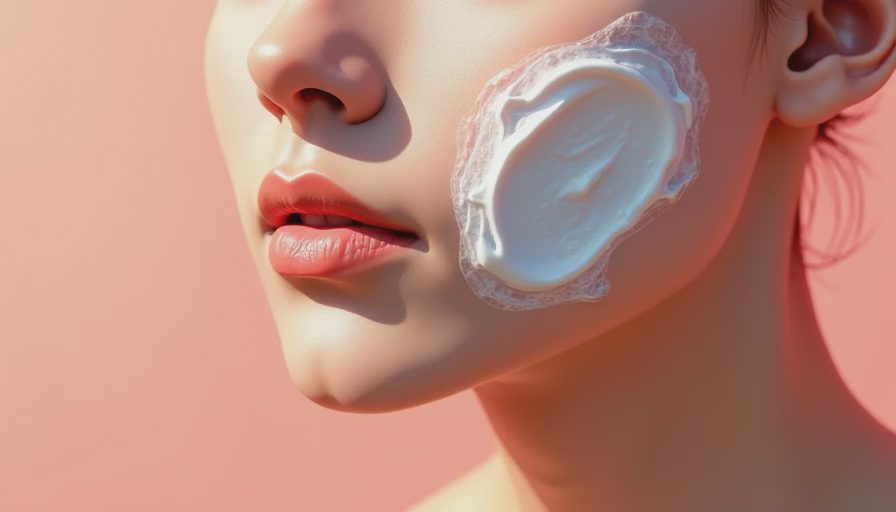
Before application, use the same gentle cleanser on both sides of your face. Divide your face at the center of the nose, and use clean hands or separate spatulas. Apply roughly the same amount to each side. For a moisturizer, that might be a pea-sized amount per side; for a serum, two or three drops is usually enough. Keep the rest of your routine identical, including sunscreen, cleanser, and makeup.
Take a baseline photo in the same room and lighting. I prefer indirect daylight near a window, with a relaxed expression and no smoothing filter. Record the date, product names, amounts, batch or purchase details if available, and any existing concerns such as dry patches or redness. A spreadsheet sounds excessive until you are trying to remember what happened on day 12.
What to measure beyond first impressions
The first five minutes tell you about slip, scent, tackiness, and finish. Those details matter because a product you dislike using will not become a successful routine. Still, they are not the whole result. I take notes at several points: immediately after application, after 30 minutes, at the end of the day, and after waking up.
For hydration, look for reduced tightness and a smoother feel rather than promising yourself a miraculous glow. For texture, notice whether makeup settles differently or whether dry areas catch less on your fingers. For an active product, I look for gradual changes over time and avoid declaring success after one good morning. Skin naturally changes with weather, sleep, stress, travel, and menstrual cycles, so one observation is only one observation.
A simple scoring system can help, but I keep it descriptive rather than pretending the numbers are scientific. Write notes such as “comfortable through lunch,” “slightly sticky under sunscreen,” or “dry around the mouth by bedtime.” Those comments are more useful than giving a serum an arbitrary 8.7 out of 10.
I usually test basic moisturizers for at least two weeks and products intended to change texture or tone for longer, provided the skin remains comfortable. Stop a product if you experience persistent burning, swelling, or a concerning reaction. A cosmetic comparison is never worth pushing through a problem.
Reading the ingredient list while you compare
The ingredient list gives context to what you feel. Glycerin and hyaluronic acid are humectants, meaning they help attract water to the outer layers of skin. Squalane and plant oils contribute emollience, which can make rough areas feel softer. Petrolatum and similar occlusive ingredients help reduce water loss. None of those categories automatically makes a product better; they simply explain part of the formula’s behavior.
I also check where notable ingredients appear on the list. Ingredients are generally listed from highest to lowest concentration until the formula reaches very small amounts, so position can offer clues without revealing exact percentages. A product advertising niacinamide near the front of the list is a different proposition from one featuring it near the end. Fragrance, essential oils, and botanical extracts are not automatic reasons to reject a product, but they are relevant if your skin tends to react to scented formulas.
During a half face skincare test, I do not change products every few days to chase a better feeling. That creates a messy experiment and encourages overuse. If both sides feel equally comfortable, the ingredient list and price become more important in the final decision.
The cost-per-ounce part most reviews skip
Price deserves the same attention as performance. A $68 moisturizer in a 1.7-ounce jar costs $40 per ounce. A $24 moisturizer in a 1.7-ounce container costs about $14.12 per ounce. The less expensive product does not need to feel luxurious to be the better purchase if it keeps your skin comfortable and you enjoy applying it.
Packaging can also distort the comparison. A pump may protect a formula and make dispensing easier, while a jar may let you reach every last bit but expose the contents to repeated contact. Check the net weight or volume rather than comparing container size on a shelf. Travel sizes often look affordable but have a much higher cost per ounce.
I estimate how long each product lasts by recording the amount used. If a $52 cream lasts four months, its monthly cost is about $13. If a $28 cream lasts six weeks, its monthly cost is close to $19. Those calculations can reverse the impression created by the sticker price. The half face skincare test should answer two questions together: which side looks and feels better, and which formula gives enough value to justify the cost?
Common mistakes that weaken the comparison
The biggest mistake is applying different amounts. A thick layer on one side and a thin layer on the other is not a fair test. The second is testing during a chaotic week that includes a new exfoliant, facial, vacation, or unusually cold weather. Life cannot always be controlled, but noting those events helps explain confusing results.
Another mistake is judging a product only by its finish. A dewy moisturizer can look impressive for an hour and still feel uncomfortable under sunscreen. A plain lotion may look less exciting but keep the skin balanced all day. I also avoid comparing products immediately after washing because both sides can feel temporarily tight or fresh.
Do not assume a higher price means a stronger formula. Brand reputation, packaging, marketing, retailer margins, and texture development all influence cost. Sometimes an expensive product earns its price through elegant application and a formula that fits beautifully into a routine. Sometimes the lower-cost option performs just as well. The notes should decide, not the logo.
How to make your final choice
At the end of the test, review your notes without looking at the price first. Which side stayed comfortable? Did either product pill beneath sunscreen or foundation? Did either side develop new dryness, congestion, or sensitivity? Were the differences consistent, or did they appear only once? Then compare the ingredient lists and calculate cost per ounce and approximate monthly cost.
My final half face skincare test summary usually has three parts: sensory experience, observable performance, and value. A formula can win one category and still lose overall. For example, a $75 serum might feel beautiful but show no meaningful advantage over a $22 option after a month. A basic fragrance-free moisturizer might not create an exciting first impression, yet its reliable comfort and lower cost can make it the smarter daily choice.
If you try this method at home, photograph consistently, change one variable at a time, and give the products enough time to show their ordinary behavior. You are not trying to manufacture a dramatic result. You are learning how a formula fits your face, schedule, budget, and tolerance for fuss. Learn the label, then choose.

No letters yet — be the first to write.