When I test anti aging serum, I start with the label, the pump, and the price per ounce before I look at the pretty bottle. A serum can cost $18 or $180, and the difference is not always better ingredients. Sometimes it is better packaging, a better texture, or a formula that stays stable on your bathroom counter long enough to matter. If you shop Sephora, Ulta, or a drugstore aisle, the trick is the same: learn the label, then choose.
What a good anti aging serum actually needs to do
A solid formula should support hydration, barrier comfort, and one real active, not ten trendy ones fighting for space. Glycerin, hyaluronic acid, niacinamide, peptides, and retinol all have jobs you can understand without a chemistry degree. Glycerin pulls water in. Niacinamide helps with the look of uneven tone and oil balance. Retinol is the ingredient most people mean when they want smoother texture over time. None of that requires a miracle claim. It just needs the right formula, the right strength, and enough use to matter.
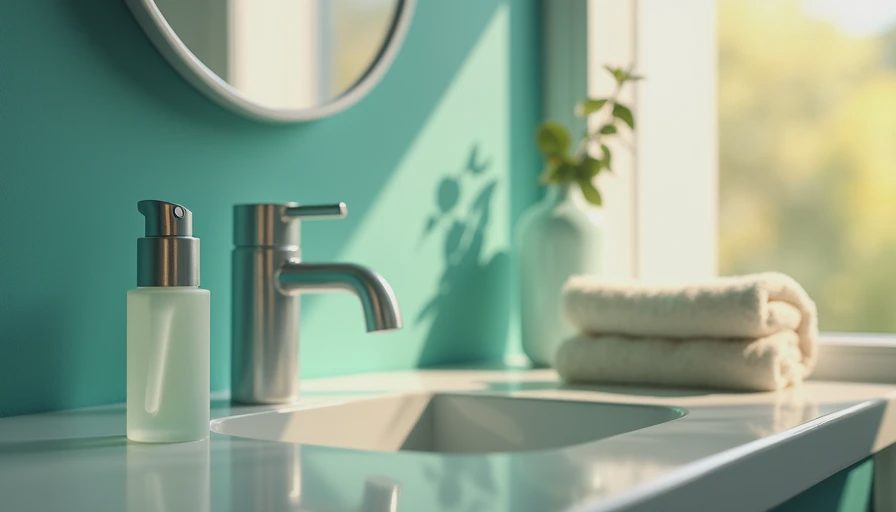
If I am comparing two bottles, an anti aging serum with a better pump and a stable active is worth more than a prettier jar. What usually pushes a product into overpriced territory is not the ingredient list. It is the story around the ingredient list. If a company spends more on frosted glass, fragrance, and a celebrity campaign than on a smart formula, you are paying for theater. On the other hand, a plain bottle with a good airless pump and a formula you will actually use can be a very smart buy.
How I compare cost per ounce without getting fooled
Cost per ounce is the part that saves real money. A $18 one-ounce serum is $18 an ounce. A 1.7-ounce bottle for $58 lands around $34 an ounce. A half-ounce luxury bottle for $92 is a much steeper $184 an ounce. That does not automatically make the expensive one bad, because some actives need smarter packaging or a smaller dose. It does mean you should know what you are paying for before you fall in love with the bottle.
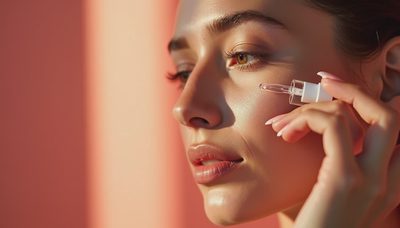
I do not judge an anti aging serum only by the sticker price. I also look at how much product you actually use. Most people need only four to six drops for the whole face and neck, not half a dropper. If you use a serum once a day, a one-ounce bottle can last six to ten weeks depending on the texture. If the formula is thicker, you may burn through it faster. If you are paying more than $50, I want either a standout active, better packaging, or a texture so good you will keep using it.
My favorite price tiers for real-world shopping
In the under-$30 lane, I like the formulas that keep their heads down and do the work. The Ordinary, CeraVe, and RoC all have products that make sense when you want hydration, a little smoothing, or a beginner retinol without a luxury markup. A $16 bottle with glycerin, niacinamide, and panthenol can be a better buy than a $48 bottle that smells prettier and performs the same. This is where a skincare purchase stops being aspirational and starts being practical.
In the $30 to $75 range, you usually get better textures, better pumps, and more polished formulas. Paula's Choice does this well, and so does Olay with some of its retinol products. I like this tier for people who want a formula that feels more cosmetic without drifting into extravagance. The step up is worth it when the texture disappears fast, layers well under moisturizer, and the bottle protects the ingredients. If the formula pills or stings every time, the price is too high even if the brand is famous.
At the luxury end, I look for a formula that justifies the markup with stability or a truly standout active system. SkinCeuticals C E Ferulic is the obvious example because the vitamin C, vitamin E, and ferulic acid combo has a real reputation and comes in a package designed to protect the product. I would still rather have a good midrange serum than a bad luxury one, but I can admit when a pricey bottle earns its place. That is the whole point of the spreadsheet.
A simple at-home test that shows whether it earns a spot
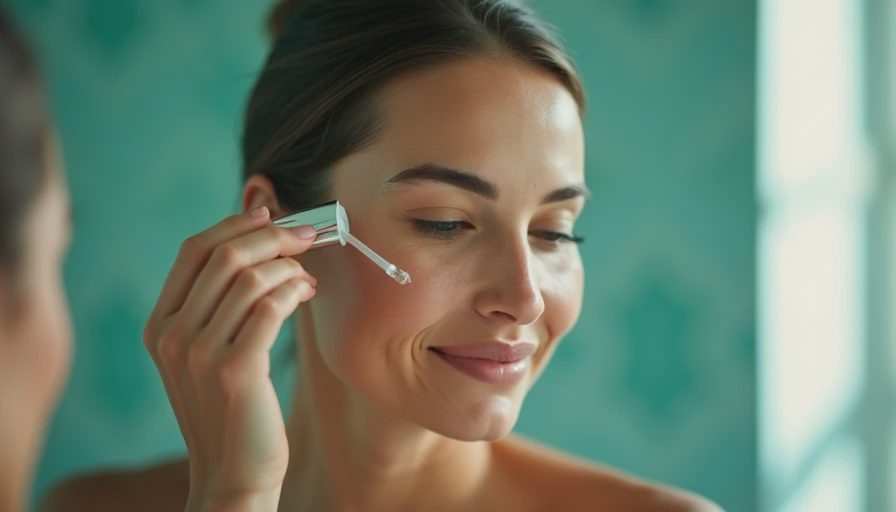
When I do a half-face comparison, I keep everything else the same for two weeks: cleanser, moisturizer, and daytime SPF. One side gets the new product, the other side gets the baseline routine. I note redness, dryness, shine, and whether makeup sits differently. For retinol or stronger actives, I start slowly and do not push a fast schedule just to speed up the test. A useful serum should fit into a real routine, not just look good in a photo.
Last winter I tested a $22 niacinamide-and-peptide serum against a $98 peptide serum for 18 days. The expensive one had a prettier pump and a slightly silkier finish, but the cheaper bottle handled morning tightness just as well. I would have paid more only if the texture difference mattered to me every night. That is why I trust side-by-side tests more than first impressions. Pretty does not always mean better.
When to upgrade or walk away
I upgrade when the bottle is empty fast, the formula disappears beautifully under moisturizer, and I can see a real change in how the skin looks and feels after several weeks. I walk away when a serum stings for days, pills under sunscreen, or costs luxury money for a formula that is basically average. The right anti aging serum should fit your routine instead of making you build your routine around it. If you want a dependable daily pick, stay focused on ingredients you understand, packaging that protects them, and a price that matches the size. Learn the label, then choose.
No letters yet — be the first to write.