Affordable skincare that works does not require a bathroom shelf crowded with pastel bottles. After 12 years reading ingredient labels in spas and dermatology clinics, I have learned that a useful routine usually comes down to three things: a cleanser you will use consistently, a moisturizer that supports your skin, and sunscreen you will actually apply. The rest depends on your concern, patience, and budget.
I test products with half-face comparisons whenever possible, record the price and size, and pay attention to observable changes rather than dramatic claims. A $14 moisturizer is not automatically better than a $70 one, but the expensive option is not automatically a rip-off either. The label, the formula, and the cost per ounce tell a more useful story than packaging.
What affordable skincare that works should contain
Start with function instead of a brand name. For cleansing, look for mild surfactants and humectants such as glycerin. Glycerin pulls water toward the skin, which is why it appears in products at every price point. If your face feels tight or squeaky after washing, the cleanser may be removing more oil than you need it to.
For moisture, useful ingredients include glycerin, petrolatum, squalane, ceramides, and fatty alcohols such as cetyl alcohol. These are not interchangeable, but they each have a practical role. Humectants attract water, emollients soften rough texture, and occlusives help slow water loss. A simple lotion containing several of these can outperform a trendier cream with a long marketing story.
For uneven tone or occasional breakouts, ingredients such as niacinamide, salicylic acid, azelaic acid, and retinoids are common options. They need different usage patterns, and adding all of them at once is a reliable way to create irritation and confusion. Choose one active, use it consistently, and give your skin several weeks before deciding whether it belongs in your routine.
A label cannot tell you everything. Ingredient order gives clues, but concentration, packaging, texture, and your own tolerance matter too. Learn the label, then choose.
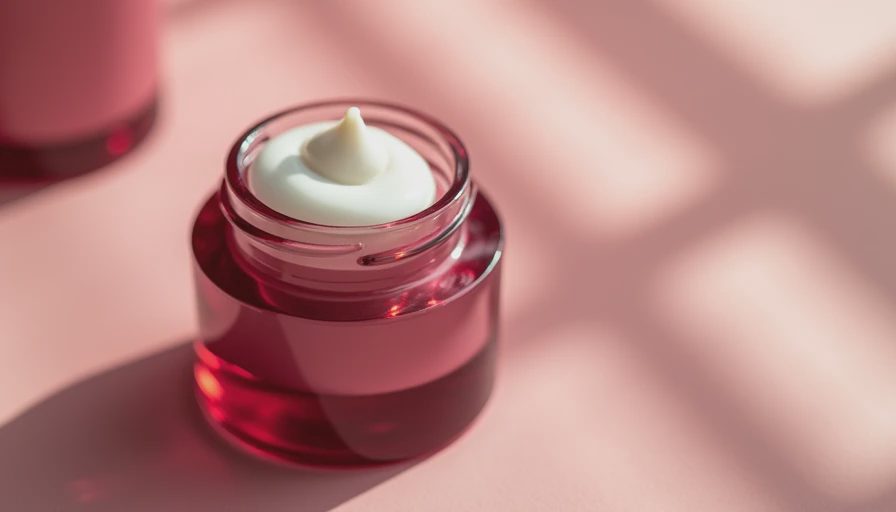
My budget routine by product type
A basic morning routine can cost less than $35 to start. A gentle cleanser from CeraVe, Vanicream, or La Roche-Posay can cover the first step, although the best choice depends on whether your skin is dry, oily, sensitive, or somewhere between. You do not need a foaming cleanser if your skin already feels comfortable with a cream or lotion formula.
For moisturizer, CeraVe Daily Moisturizing Lotion, Vanicream Daily Facial Moisturizer, and Neutrogena Hydro Boost Fragrance Free are reasonable formulas to compare. Prices change by retailer and size, but a 3-ounce product costing $15 is about $5 per ounce, while a 1-ounce product costing $24 is $24 per ounce. That difference does not prove the smaller product is inferior, but it should make you ask what you are paying for.
Sunscreen is where I would protect the budget without lowering the standard. Look for broad-spectrum SPF 30 or higher, and choose a finish you enjoy wearing. Brands such as Eucerin, Neutrogena, La Roche-Posay, and Trader Joe's offer popular options at different price points. A sunscreen that sits untouched in a drawer has a cost per use of zero, regardless of its impressive ingredient list.
At night, remove sunscreen and makeup, cleanse gently, and moisturize. If you add an active, begin two or three nights per week rather than treating your face like a laboratory surface. Affordable skincare that works is usually boring in the best possible way: repeatable, comfortable, and easy to replenish.
How I compare price and performance
Cost per ounce is my starting point, not my final score. I divide the shelf price by the fluid ounces or net weight, then consider how much I use per application. A serum used with a half-dropper may last longer than a lotion poured generously into both hands. Conversely, a bargain product that requires three pumps to cover the face may not be the bargain it appears to be.
I also check the container. A pump can protect a formula from repeated contact and make dosing easier. A jar may be perfectly practical for a stable cream, but it encourages scooping with more product than necessary. I note texture, pilling under sunscreen, fragrance, and whether the finish works with makeup. These details determine whether a product becomes part of daily life.
In a half-face test, I apply one product to one side and a comparison product to the other, keeping the rest of the routine identical. I take notes after the first use, one week, and several weeks. Immediate softness can come from a film-forming ingredient, while changes in roughness or comfort require more time. I do not call a product successful because my skin looks better for one afternoon.
Three common budget mistakes
The first mistake is buying a full routine because a creator recommends it. A cleanser, toner, serum, mask, oil, exfoliant, and cream can easily pass $150 before you know which product is helping. Build one layer at a time so your money and your skin have a fair test.
The second mistake is choosing the lowest price without checking the formula. A $6 moisturizer that stings, pills, or leaves you so dry that you stop using it is not affordable in practice. The cheapest useful product is the one you can apply consistently and replace without resentment.
The third mistake is treating irritation as proof that an active ingredient is working. Persistent burning, swelling, or a rash is a reason to stop the product and seek medical advice if needed. Skincare should not require you to push through obvious discomfort for the sake of a before-and-after photo.
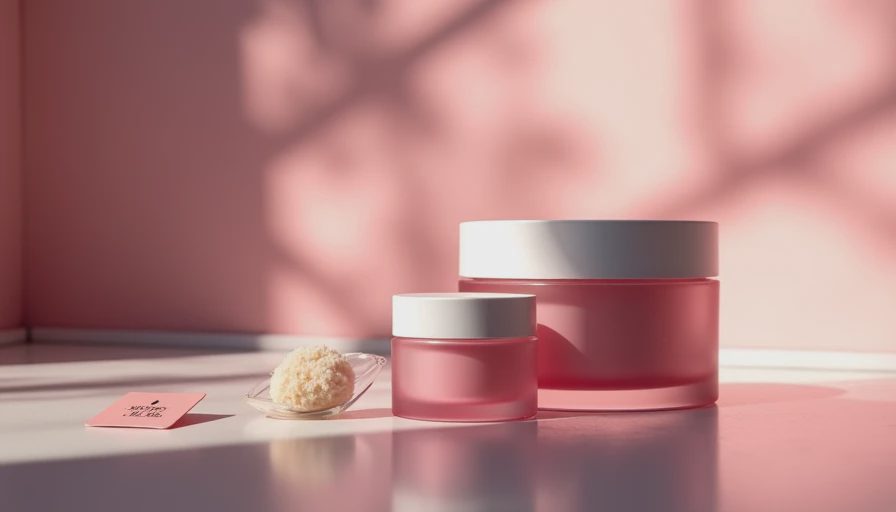
Affordable skincare that works for different concerns
For dryness, prioritize a gentle cleanser and a moisturizer with humectants, emollients, and occlusives. Apply moisturizer to slightly damp skin, then adjust the amount depending on the season. Colorado's dry air makes me reach for a richer layer in winter, while a lighter lotion is more comfortable during warmer months.
For oiliness, avoid the temptation to scrub aggressively. A lightweight moisturizer can still be useful, and salicylic acid may be worth testing if clogged pores are your main concern. Start slowly and do not combine it immediately with several other exfoliating products.
For visible dark spots or uneven tone, daily sunscreen is the foundation. Without it, progress from other products can be difficult to judge. Niacinamide or azelaic acid can be reasonable next steps, but introduce only one new active at a time. If you are pregnant, nursing, or managing a skin condition, ask a qualified medical professional about ingredients before starting a treatment-focused routine.
For sensitive skin, keep the ingredient list shorter and skip fragrance if it commonly bothers you. Affordable skincare that works for sensitive skin is not about finding the most powerful product; it is about reducing variables and protecting comfort.
A simple shopping plan
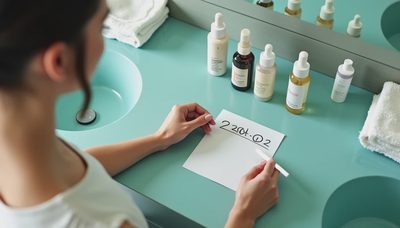
Before buying, write down your main concern, your current products, and your monthly budget. Replace one empty product at a time instead of discarding everything. Compare at least two formulas by size, ingredients, and cost per ounce. Check whether the return policy allows opened skincare, especially when buying a premium product.
Then give the routine a fair trial. Cleanse consistently, moisturize enough, and wear sunscreen during the day. Photograph your skin in the same light every two weeks rather than inspecting it under a magnifying mirror every morning. That method will not create a dramatic overnight story, but it gives you better information.
My version of affordable skincare that works is not a fixed shopping list. It is a process for spending intentionally: understand the job of each product, measure the real cost, and watch how your skin responds over time. A $12 cleanser can earn its place. A $48 serum can earn its place too, if its formula and performance justify the difference. Learn the label, then choose.


No letters yet — be the first to write.