When a moisturizer costs $68 for 1.7 ounces, the formula is only part of the story. You are also paying for the jar, pump, carton, shipping, retail display, marketing, and the brand's margin. That is where skincare packaging markup enters the conversation. It does not automatically mean a product is a rip-off. Packaging can protect fragile ingredients, make dispensing cleaner, and prevent a serum from degrading in sunlight. The useful question is whether the package adds practical value or simply makes a small amount of cream feel luxurious.
I look at this the same way I look at an ingredient list: calmly, with a calculator nearby. A beautiful frosted jar can be lovely on a bathroom shelf, but a $40 difference deserves an explanation. Learn the label, then choose.
What skincare packaging markup actually includes
Skincare packaging markup is not one single fee added at the factory. It is the combined effect of packaging materials, design, manufacturing, freight, storage, retail presentation, and profit margins. A lightweight tube may cost less to produce than a thick glass jar with a custom lid. An airless pump usually costs more than a basic screw-top container because it has multiple molded parts and a mechanism designed to limit air exposure.
The outer carton also matters. A small box with foil stamping, magnetic closures, or several printed inserts costs more than a plain recycled-paper carton. None of that tells you whether the product works, but it does help explain why two lotions with similar ingredient lists can have very different prices.
Here is a simple example. A $24 cleanser in a plastic tube may contain 5 ounces, or $4.80 per ounce. A $52 cleanser in a heavy glass bottle may contain 4 ounces, or $13 per ounce. If both use similar surfactants, humectants, and soothing ingredients, the premium deserves scrutiny. The expensive cleanser might have a more elegant pump, a stronger preservation system, or a sensory texture you genuinely prefer. Those are real benefits, but they are not the same as paying for superior skin results.
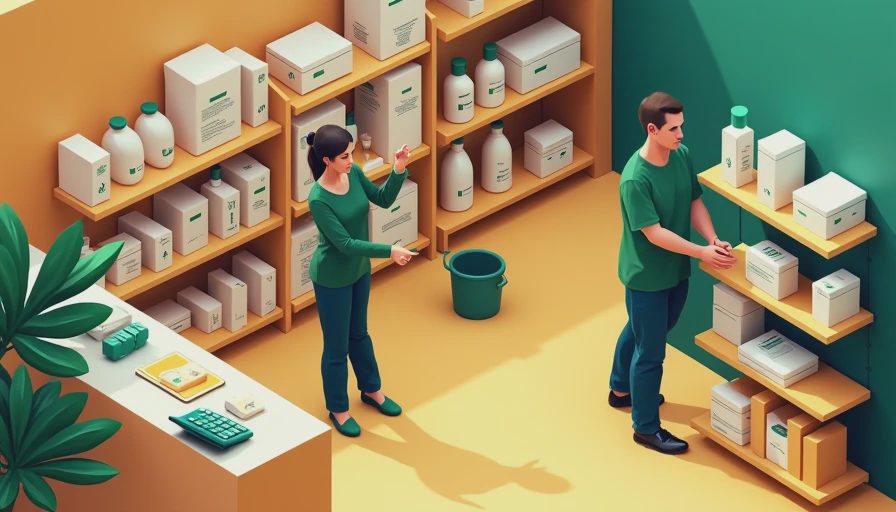
When expensive packaging earns its place
Some skincare packaging markup is practical rather than decorative. Vitamin C serums are a good example because certain forms of vitamin C are sensitive to light, heat, and oxygen. An opaque, tightly sealed pump can help reduce exposure compared with a clear dropper bottle that sits open while you measure each use. That package may cost more, but it can also help preserve the formula during normal use.
Retinoid products, exfoliating liquids, and formulas with delicate botanical extracts can also benefit from controlled dispensing. An airless pump lets you dispense a measured amount without dipping fingers into a jar. That can reduce mess and make it easier to repeat the same application amount each night. For a product used over three or four months, consistent dosing is worth more to me than a decorative lid.
Packaging can improve accessibility, too. A pump is easier for someone with limited hand strength than a small dropper cap. A squeeze tube is convenient for travel and less likely to shatter in a suitcase. In these cases, the skincare packaging markup buys a feature you use repeatedly, not just a visual effect.
How to spot a mostly decorative premium
The clearest warning sign is a large container holding a surprisingly small fill amount. A tall bottle can create the impression of abundance while containing only 1 ounce. Always look for the net contents, usually listed in fluid ounces and milliliters. Then calculate the cost per ounce before comparing products.
A second clue is a jar with a large empty space under the lid. Some headspace is normal and helps prevent spills, but excessive air can make the product appear more generous than it is. A heavy glass base, oversized cap, or multilayer presentation can also add cost without changing how the formula performs.
Skincare packaging markup is more difficult to justify when the package is not protecting a sensitive ingredient, improving hygiene, or making application easier. A basic water-based moisturizer in an opaque pump may not need a $20 presentation box and a thick glass vessel. If the ingredient list is ordinary and the amount is small, compare it with a simpler option before assuming the price reflects better formulation.
A cost-per-ounce comparison you can do at home
Start with the shelf price after discounts, not the suggested retail price you rarely pay. Divide that number by the product's ounces. For example, a $36 serum in a 1-ounce bottle costs $36 per ounce. A $48 serum in a 1.7-ounce bottle costs about $28.24 per ounce. The second product is more expensive at checkout but less expensive for the amount you receive.
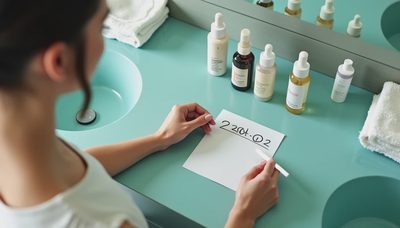
Next, estimate how long each package lasts. If you use two pumps of a moisturizer morning and night, a 1.7-ounce container might last six to eight weeks, depending on pump size. A jar that lasts only four weeks is not a bargain simply because the sticker price is lower. I keep a small spreadsheet with purchase price, net weight, date opened, and date finished. After a few products, patterns become obvious.
Then compare the package with the formula's needs. A $70 airless serum can make sense if it contains light-sensitive ingredients and lasts four months. A $70 cream in a decorative jar may still be enjoyable, but the price is probably driven more by brand positioning and presentation. Those are different buying decisions, and separating them helps prevent disappointment.
Brand pricing and the luxury experience
Luxury brands often spend more on package design, retail displays, sampling programs, and fragrance development. You can see that in products from lines such as Augustinus Bader, La Mer, Dr. Barbara Sturm, and Tata Harper. Their prices are not determined only by the cost of emollients or humectants inside the container. The customer is also buying texture, scent, design, service, and the pleasure of using the product.
There is nothing wrong with valuing that experience. A silky cream in a beautiful jar can make a routine feel more appealing, and a routine you actually follow has practical value. The mistake is assuming a luxury package automatically proves stronger performance. If a $22 moisturizer keeps your skin comfortable and a $95 moisturizer does the same thing, the more expensive product may still be your favorite, but it is not necessarily the better value.
Skincare packaging markup becomes easier to accept when you name what you are paying for. If it is protection, convenience, or a sensory experience, decide whether that feature matters to you. If you cannot identify a benefit beyond a larger box, pause before purchasing.
My checklist before buying
Before buying a new product, record the full price, net amount, and cost per ounce. Read the packaging type rather than judging the product by its height or weight in your hand. Check whether the formula contains ingredients that benefit from an opaque container, pump, or airtight seal. Consider whether you can use every last portion; a narrow bottle that traps product can increase the effective cost.
Look at refill options, too. Some brands sell a durable outer container with lower-priced refills. That can reduce waste and sometimes lower the price per ounce, although the refill still needs a hygienic seal. Also compare promotional sizes carefully. A gift set may look economical but include miniature products that cost more per ounce than the full-size version.
Finally, separate performance from packaging. Give the product enough time to judge comfort, irritation, pilling, and how it fits into your routine. Do not pay a premium for a pump that sputters or a jar that leaves a quarter of the cream stuck under the rim.
Skincare packaging markup is not automatically bad; it is simply one part of the price that deserves daylight. A protective pump, thoughtful refill system, or genuinely useful travel design can earn extra cost. Decorative weight, oversized boxes, and tiny fill amounts deserve a closer look. Calculate the cost per ounce, read the label, and decide what you value before you buy. Learn the label, then choose.

No letters yet — be the first to write.