The moisturizer cost per ounce is one of the quickest ways to see whether a cream is fairly priced or simply wearing expensive packaging. I use this calculation when I compare products at the drugstore, in professional skincare lines, and on a Sephora shelf. It does not tell you whether a formula will suit your skin, but it gives you a clean starting point before marketing language gets involved.
A $16 lotion can be a better buy than a $48 cream, but not always. Texture, concentration, packaging, and how much you need per application all matter. Learn the label, then choose.
How to calculate moisturizer cost per ounce
The math is simple: divide the product price by the number of ounces in the container. If a 1.7-ounce moisturizer costs $34, divide 34 by 1.7. The result is $20 per ounce. A 3.4-ounce tub priced at $42 costs about $12.35 per ounce, even though the checkout price is higher.
For a more useful comparison, use the actual sale price you paid and check whether the listed size is fluid ounces or grams. Most creams show fluid ounces, such as 1.7 fl oz, while some international or treatment products list grams. You can compare grams within a group, but do not treat grams and fluid ounces as identical measurements.
Also record whether the container includes a bonus size. A 1.5-ounce jar with a free 0.5-ounce mini is really two ounces of product, assuming both are the same formula. Divide the total price by two rather than letting the front label make the product look more expensive.

What the number tells you about a formula
The moisturizer cost per ounce reveals packaging economics, not skin performance. A lightweight gel often costs more because it uses an airless pump, specialty polymers, or a high percentage of water-binding ingredients. A rich cream may come in a larger jar and look cheaper per ounce while containing a straightforward blend of emollients and occlusives.
Look at the first several ingredients. Glycerin attracts water to the skin, and it appears in inexpensive as well as premium formulas. Petrolatum, dimethicone, shea butter, and fatty alcohols can help reduce water loss or improve slip. None of those ingredients automatically makes a product low quality. In fact, a plain formula that keeps your skin comfortable may be a smarter purchase than a crowded formula you stop using after a week.
I pay attention to useful extras, too. Ceramides, cholesterol, panthenol, squalane, and niacinamide can add a reason for a higher price, although their position on the ingredient list still matters. A $70 jar does not become a bargain just because the brand mentions three impressive ingredients on the box.
Comparing drugstore and premium moisturizers
A basic drugstore moisturizer commonly lands between about $5 and $15 per ounce, while prestige face creams can run from $20 to more than $100 per ounce. Those ranges are broad because size, retailer, and formula type vary widely. A fragrance-free body lotion in a 16-ounce pump bottle will almost always beat a facial cream in unit price.
For example, imagine three products. Product A costs $14 for 3 ounces, or $4.67 per ounce. Product B costs $32 for 1.7 ounces, or about $18.82 per ounce. Product C costs $68 for 1.6 ounces, or $42.50 per ounce. Product C is not automatically unreasonable if a small amount gives you comfortable skin and the package lasts several months. It is simply asking you to find more value elsewhere in the experience.
The moisturizer cost per ounce helps expose a dramatic price difference before you decide whether that difference is meaningful. Compare the ingredient lists, fragrance level, texture, and performance rather than assuming the most expensive option has better fundamentals.
Why usage changes the real price
Unit price is helpful, but the amount used per application can change the final answer. A dense balm may need only a pea-sized dab for your cheeks and forehead. A thin lotion may require two pumps to cover the same area. If the first product costs $30 per ounce but lasts 120 applications, it could cost less per use than a $10-per-ounce lotion that lasts 35 applications.
My simple test is to weigh or photograph the container at the beginning and again after two weeks. You do not need laboratory equipment. A kitchen scale that measures grams can show whether a pump delivers a consistent amount. You can also mark the product level with a small piece of tape, though airless packaging makes that harder.
For face moisturizer, start with the amount recommended on the package, then adjust for your skin and climate. In dry Colorado winters, I often use a little more on my cheeks than I would during a humid summer. That seasonal difference belongs in your value calculation.
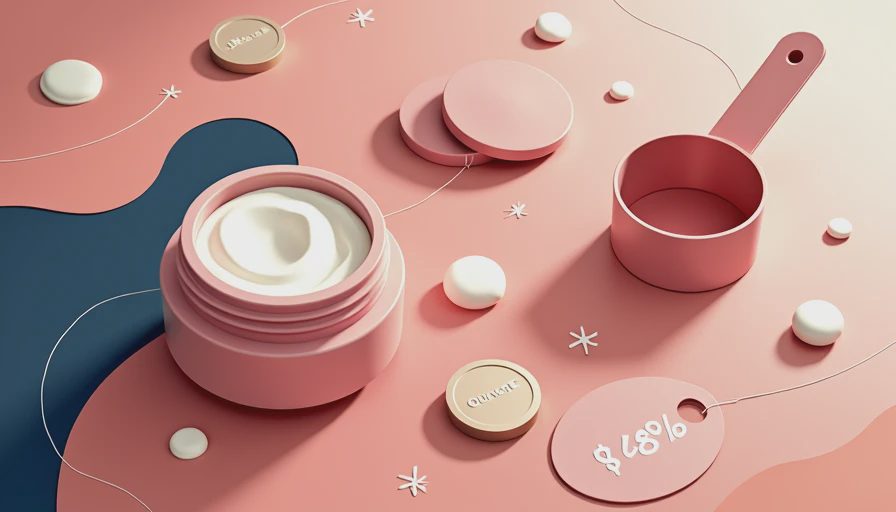
When expensive moisturizer can make sense
A high moisturizer cost per ounce can be justified when the product solves a specific problem in your routine. An elegant cream that layers under sunscreen without pilling may replace a separate facial oil. A barrier-supporting formula that prevents tightness may help you use less cleanser or fewer extra products. A pump that protects a delicate formula from repeated air exposure can also be worth paying for, especially if the ingredients are sensitive to light or contamination.
Still, the premium should show up in your actual experience. After two to four weeks, ask whether your skin feels consistently comfortable, whether makeup applies smoothly, and whether you reach for the product without thinking. Do not judge a moisturizer by a one-night sample or by the scent alone. A beautiful sensory experience is valid, but it should be part of the value rather than the entire value.
I have tested expensive creams that earned their place because the texture was exceptional and the jar lasted longer than expected. I have also tested affordable formulas that performed just as well under sunscreen. The price tag alone is not the verdict.
A practical shopping checklist
Before buying, write down five details: the price, the total size, the price per ounce, the first five ingredients, and how much you normally use. Then check the retailer's return policy if you are trying a $60 product for the first time. A sample or travel size can reduce waste, even when its unit price is higher.
Next, compare similar products. A night cream should be compared with another night cream, not a lightweight lotion sold in a giant pump bottle. Fragrance-free, acne-friendly, sensitive-skin, and refillable packaging can all affect the price. Decide which features matter to you before comparing numbers.
Finally, include promotions honestly. A 20 percent discount, loyalty reward, or bundled mini changes the cost you actually pay. Free shipping does not reduce the moisturizer cost per ounce, but it can reduce the total order cost. Keep those calculations separate so the comparison stays clear.
The bottom line for smarter purchases
The moisturizer cost per ounce is a useful filter, not a beauty score. Use it to compare containers, then read the ingredient list and observe how the product performs over time. The best value is the formula you enjoy using consistently, in an amount that keeps your skin comfortable, at a price that fits your routine.
A $12 product that sits untouched in a drawer costs more than a $35 product you finish completely. On the other hand, a luxury jar should offer more than a pretty label and a memorable fragrance. Do the division, test the texture, and give your skin enough time to tell you what works. Learn the label, then choose.

No letters yet — be the first to write.