A vitamin c serum price comparison is useful only when it looks past the number on the shelf. A $20 bottle can be a bargain, while a $90 bottle can be the better buy if its formula is stable, pleasant to use, and still fresh before the expiration date. I compare the bottle size, ingredient format, packaging, and cost per ounce so you can decide whether a serum earns its place in your morning routine.
Vitamin C products are especially tricky because brands use different forms and concentrations. One bottle may contain 10% pure L-ascorbic acid in a dark glass bottle. Another may use a gentler derivative at an undisclosed level in a clear pump. Those are not direct substitutes, even when the labels both say “vitamin C.” Price is only the first piece of the calculation.
Start with cost per ounce, not sticker price
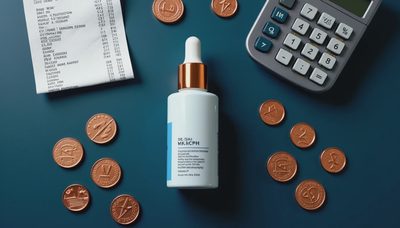
The simplest step in a vitamin c serum price comparison is dividing the price by the fluid ounces. A $24, 1-ounce bottle costs $24 per ounce. A $32, 0.5-ounce bottle costs $64 per ounce, even though the checkout total looks fairly close. That smaller bottle might still suit someone who uses serum occasionally, but it is not the cheaper product.
Most facial serums come in 0.5, 1, or 1.7 fluid ounces. If you apply two to three drops once a day, a 1-ounce bottle can last roughly three to four months, depending on the dropper and how generously you dispense it. I prefer calculating both cost per ounce and estimated cost per month. A $30 serum used for 90 days costs about 33 cents per day. A $75 serum used for 120 days costs about 63 cents per day.
Watch for sets and promotional pricing, too. A retailer might sell a 1-ounce serum for $35 but include a travel cleanser that you would have purchased anyway. That changes the practical value, although I would not assign the cleanser its full retail price unless you truly need it.

Formula strength changes the comparison
A vitamin c serum price comparison should identify which form of vitamin C is doing the work. L-ascorbic acid is the most familiar form and is often used at concentrations between 10% and 20%. It can feel more active on the skin, but it is also more vulnerable to air, heat, light, and water exposure. Some formulas include vitamin E and ferulic acid because these ingredients are commonly paired with L-ascorbic acid in antioxidant formulas.
Derivatives such as magnesium ascorbyl phosphate, sodium ascorbyl phosphate, ascorbyl glucoside, and tetrahexyldecyl ascorbate are different ingredients with different formulation characteristics. They are often chosen for a gentler feel or improved stability. A lower percentage does not automatically mean a weak product, and a higher percentage does not guarantee a better experience. Cosmetic labels do not give us enough information to rank every formula by percentage alone.
Look at the full ingredient list. Glycerin and propanediol help attract and hold water. Tocopherol is a form of vitamin E. Ferulic acid is an antioxidant commonly added to certain vitamin C formulas. These ingredients do not make a serum luxurious by themselves, but they explain some of the texture and formula design.
Packaging is part of the price
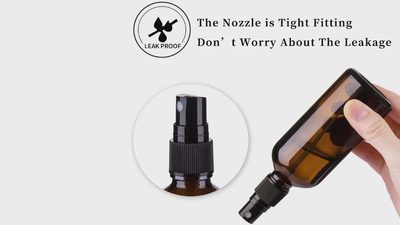
In a careful vitamin c serum price comparison, packaging deserves real attention. Airless pumps generally expose a formula to less air than wide-mouth jars. Opaque or amber packaging can limit light exposure. A dropper bottle is not automatically poor, but every opening introduces air, and a loose cap can make that problem worse.
This is where an expensive product can earn some of its price. A $68 serum in a well-designed opaque pump may stay easier to use than a $22 serum that changes color quickly in a clear bottle. I do not treat packaging as proof that a product works. I treat it as part of the product’s usable life.
At home, store vitamin C serum away from a sunny bathroom window and from a hot shower shelf. Follow the brand’s storage directions, and pay attention to changes in color, smell, and texture. A slight shift can happen over time, but a strong odor or dramatic darkening is a reason to stop using the bottle.
Comparing affordable and premium options
An affordable vitamin c serum can make sense when the formula is fresh, the packaging is practical, and the texture encourages daily use. Brands such as The Ordinary, Good Molecules, and Naturium often attract shoppers who want lower entry prices, although their products use different vitamin C forms and should not be treated as interchangeable.
Premium options from brands such as SkinCeuticals, Drunk Elephant, Sunday Riley, and Paula’s Choice can cost considerably more. That extra price may reflect research and development, a particular delivery system, packaging, supporting ingredients, or simply a premium retail position. It does not mean every expensive serum will suit every face.
For example, if two products both cost about 50 cents per day, I would compare the formula and the application experience rather than choosing the prettier box. If one pills under sunscreen and the other layers cleanly, the second product has more practical value for someone who wears makeup or SPF every morning.

A simple testing method for real value
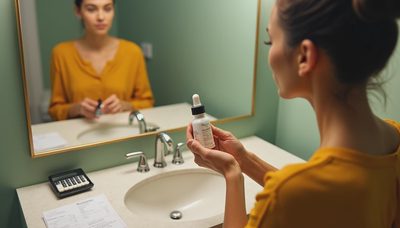
My vitamin c serum price comparison notes include more than the receipt. I test a new serum for at least several weeks when possible, applying it to clean, dry skin according to the label. I record the opening date, bottle size, texture, scent, and whether it layers well with moisturizer and sunscreen.
I also take a baseline photo in the same room and similar lighting. Photos cannot prove a cosmetic product caused a change, but they are better than relying on memory. I note whether the serum stings, pills, leaves tackiness, or makes my routine easier. A product that sits untouched in a drawer has a cost that a spreadsheet misses.
Do not introduce five new products at once. If your skin becomes irritated, you will not know which formula caused the problem. Patch testing a small area first is a sensible way to learn how your skin responds. Vitamin C is not a medical treatment, and persistent irritation or a skin concern that worries you belongs with a qualified healthcare professional.
My buying rule after comparing the numbers
The best vitamin c serum price comparison usually produces a short list rather than one universal winner. First, remove bottles with an unclear size or packaging that makes freshness difficult to judge. Next, calculate cost per ounce and approximate monthly cost. Then compare the vitamin C form, supporting ingredients, texture, and your willingness to use it consistently.
A $25 serum used every morning can offer more value than a $90 serum used twice before it feels sticky. On the other hand, a higher-priced product can be reasonable when its texture, packaging, and formula make daily use easy. I would rather pay for a product I finish than save money on one that does not fit my routine.
Learn the label, then choose. The number matters, but the fairest comparison includes what is inside, how long it stays usable, and whether you will actually reach for it tomorrow morning.
No letters yet — be the first to write.