The Daily Product That Quietly Adds Up
Cleanser is the product most of us use twice a day, every day. Over a year that is hundreds of applications. Yet it is also one of the categories where price gaps look the most extreme. You can buy a perfectly functional bottle for $12 or hand over $80 for a similar-looking tube with better lighting in the marketing photos.
I put both kinds on the testing bench and on my own face. The question is simple: what are you actually buying when the cleanser costs six or seven times more?
What Both Cleansers Need to Do
A good cleanser removes sunscreen, oil, makeup, and daily grime without wrecking the moisture barrier. It should leave skin comfortable, not tight or squeaky. The best ones do this with a reasonable amount of product and without a long list of unnecessary irritants.
That job description is the same at $12 and at $80.
Where the Money Goes in the $80 Version
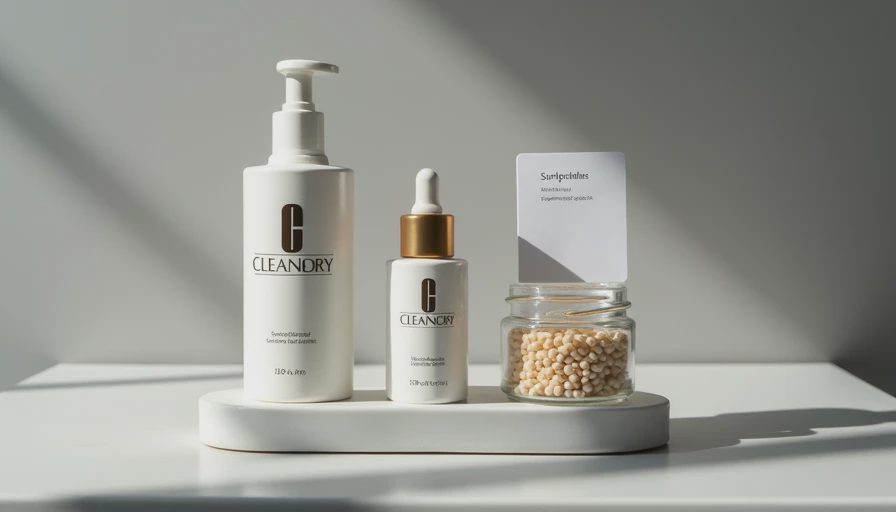
When I break down higher-priced cleansers, the extra cost usually lands in these places:
Packaging Heavy glass, custom pumps, outer boxes, and design details that feel expensive in the hand. These add real cost per unit.
Marketing and brand story Photography, campaigns, influencer seeding, and the perception of luxury. This is often the largest invisible line item.
Ingredient extras Added oils, extracts, or “skin-conditioning complexes” that sound nice. Some improve texture or feel. Many sit at low percentages and do not meaningfully change how clean or comfortable the skin feels afterward.
Lower production volume and higher margins Prestige pricing supports higher per-unit profit for both brand and retailer.
The core surfactants and cleansing agents that actually do the cleaning are rarely the expensive part.
What the $12 Version Usually Delivers
A well-formulated drugstore or mid-range cleanser at $10–15 often uses effective, gentle surfactants, includes enough glycerin or similar ingredients to avoid over-stripping, and comes in simple but functional packaging. Many of them leave skin comfortably clean and ready for the next steps.
On my face and in client work, the performance gap between a solid $12 cleanser and an $80 one is often smaller than the price gap suggests. The expensive version may feel more elegant during the 60 seconds you use it. The cheaper version frequently gets the skin just as clean and just as comfortable.
What Half-Face and Real-Use Testing Showed
I have compared high-end and inexpensive cleansers in controlled ways. Differences I actually noticed:
Texture and lather elegance: expensive often wins
Immediate post-cleanse feel: sometimes the expensive one feels slightly more conditioned
Long-term barrier comfort and cleanliness: usually comparable when both formulas are well-designed
Irritation risk: depends on the specific formula, not the price tag
The $80 cleanser never produced dramatically better skin over weeks. It sometimes produced a nicer ritual. That has value for some people. It is not the same as superior cleansing performance.
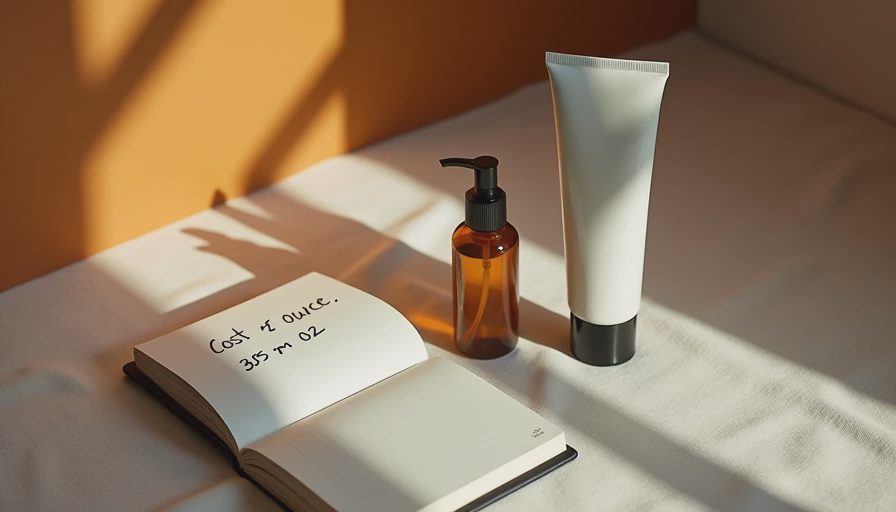
Cost-Per-Ounce Reality
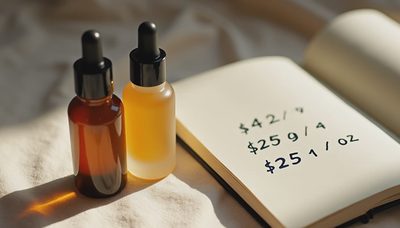
A typical $12 cleanser in a 6–8 oz bottle lands around $1.50–2.50 per ounce.
An $80 cleanser in a 3–5 oz tube often lands between $16 and $25+ per ounce.
You can easily spend ten times more per ounce for a product you rinse off in under a minute. Over a year the difference becomes significant, especially if you prefer a richer cream cleanser or use a separate oil balm first.
When the Expensive Cleanser Can Make Sense
You love the texture and the ritual enough that you look forward to using it
The formula is genuinely gentler for your specific reactive skin and you have tested the alternative
The packaging and brand experience matter to you as part of the product
If those factors are not important, a well-chosen $12–20 cleanser will do the job for the vast majority of people.
The Practical Takeaway
Cleanser is a rinse-off product. Its main job is short-lived. Spending heavily here often gives you diminishing returns compared with investing in a better moisturizer, a well-formulated treatment, or simply more consistent sunscreen.
I keep one inexpensive, reliable cleanser as the daily workhorse and occasionally test prestige versions for comparison. The notes almost always say the same thing: nice texture, similar end result, hard to justify the cost-per-ounce for everyday use.
Learn the label, then choose. Look at the surfactants, the presence of soothing or hydrating helpers, and the price per ounce. Once you do the math, most faces are perfectly happy with the $12 option—and the difference adds up in the direction that actually matters.
No letters yet — be the first to write.