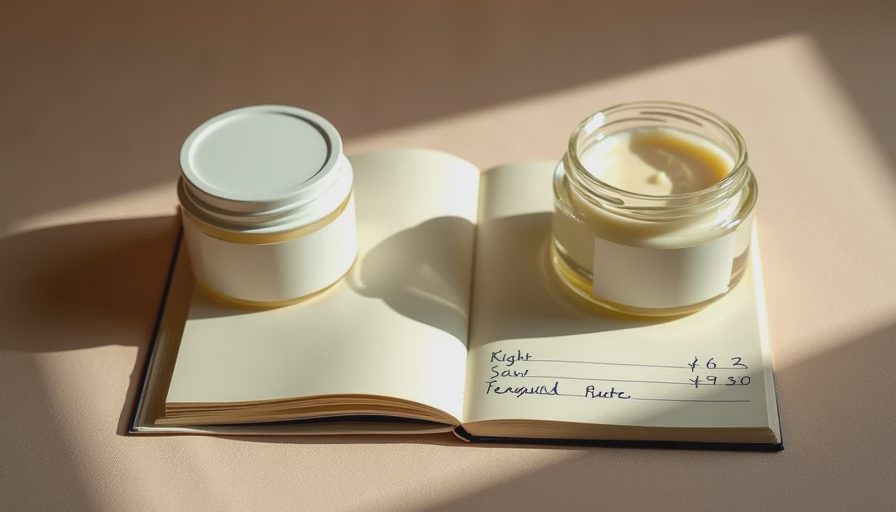
The Test Everyone Argues About
Is La Mer worth it? The internet has strong feelings and very little controlled data. So I did the only thing that makes sense on this site: I put a solid drugstore moisturizer on one side of my face and Crème de la Mer on the other for two full weeks.
Left side: a straightforward, non-comedogenic drugstore gel-cream moisturizer that costs about $12 for 50 ml and contains ceramides, glycerin, and decent barrier-supporting ingredients.
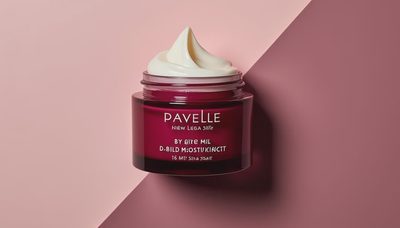
Right side: Crème de la Mer, the classic rich cream, current price well over $300 for 30 ml or 60 ml depending on the size.
Same cleanser, same sunscreen, same pillowcase, same morning light for photos. No other actives that could muddy the results. Notes morning and night. Cost-per-ounce math at the end because that is the point of this site.
I have used both on clients over the years. This time the data came from my own face under consistent conditions.
Week One: Texture and Feel
Days 1–4
The difference in texture was immediate. La Mer feels luxurious—dense, almost balm-like, with that distinctive scent some people love and others find medicinal. It sits on the skin and slowly melts in. The drugstore gel-cream absorbs faster, feels lighter, and leaves a more natural finish.
Both sides felt comfortable. No stinging, no redness. My skin is combination, so the richer cream did not feel heavy in the morning once it settled.
Days 5–7
Right side (La Mer) looked slightly softer and more “cushioned.” Makeup glided on a bit more easily. Left side looked healthy and hydrated but not as plump. Under bathroom lighting the difference was noticeable if you were looking for it. In normal daylight it was subtler.
I wrote in the log: “Luxury feel is real. Visible difference is present but not dramatic yet.”
Week Two: Where Results Settled
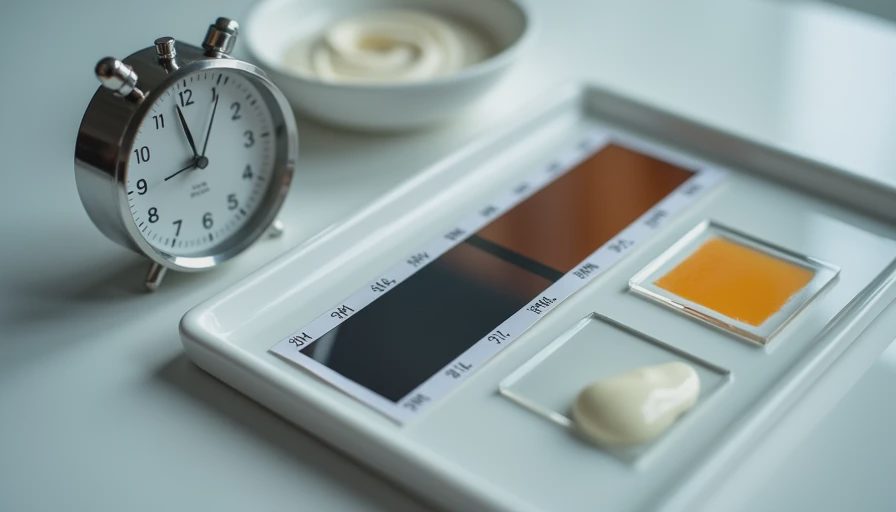
Days 8–11
The right side maintained a slight edge in softness and the way light reflected off the cheek. Fine dehydration lines looked a touch less obvious. The left side stayed consistently good—no flaking, no tightness, solid barrier support—but did not catch up in the “plump and expensive” department.
Days 12–14
By the end of two weeks the La Mer side had a small but consistent advantage in overall smoothness and radiance. The drugstore side performed exactly like a well-formulated, affordable moisturizer should: reliable hydration, no drama, no breakouts. Neither side irritated. Neither side produced a miracle transformation.
If I had not been photographing the split face every morning, I might have called the difference “nice but not life-changing.”
The Honest Results
After fourteen days:
Hydration / comfort: both sides solid
Softness and plumpness: La Mer mild winner
Barrier feel: both good
Breakouts or irritation: none on either
Makeup application: La Mer slightly better
Would a stranger notice the difference across a table? Unlikely
Would I notice in the mirror at 7 a.m.? Yes
La Mer delivered a nicer sensory experience and a modest visible edge. The drugstore moisturizer delivered perfectly respectable results at a fraction of the price.
Cost-Per-Ounce Reality Check
Drugstore gel-cream, ~50 ml for $12: roughly $7–8 per ounce.
Crème de la Mer, 30 ml size often around $190–200 (prices fluctuate): roughly $180–200 per ounce.
Larger 60 ml jars improve the math slightly but still sit in a completely different price universe.
You are paying twenty to twenty-five times more for the La Mer. Part of that money buys a very particular texture, a long-standing brand story, and the ritual of using it. Part of it buys the fact that it has been a status product for decades. The formula contains mineral oil, seaweed broth, and a mix of other ingredients that create that signature feel. Whether those ingredients outperform a modern ceramide-and-glycerin gel-cream by a wide margin is what the half-face test is for.
In this two-week window the performance gap was real but narrow. The price gap was enormous.
What I Tell People Who Ask
If you love the ritual, the texture, and the way La Mer makes your skin feel, and the cost does not hurt, it can be a lovely product. I have clients who swear by it and their skin looks good.
If you want solid hydration and barrier support without spending hundreds of dollars, a well-chosen drugstore moisturizer with ceramides, glycerin, and a non-comedogenic base will do the job for most people. The half-face data supports that.
I still keep both on the testing bench. I reach for the rich cream when I want the sensory experience or when my skin is feeling extra dry from travel. I reach for the drugstore option for everyday reliability and when I am packing light.
Two weeks is not a six-month study. Seasons, hormones, and climate change results. But controlled conditions remove a lot of the marketing noise. This is what my face showed.
Learn the label, then choose. And when the label comes with a price tag that could buy a month of groceries, make sure the visible difference still feels worth it after you do the cost-per-ounce math yourself.
No letters yet — be the first to write.