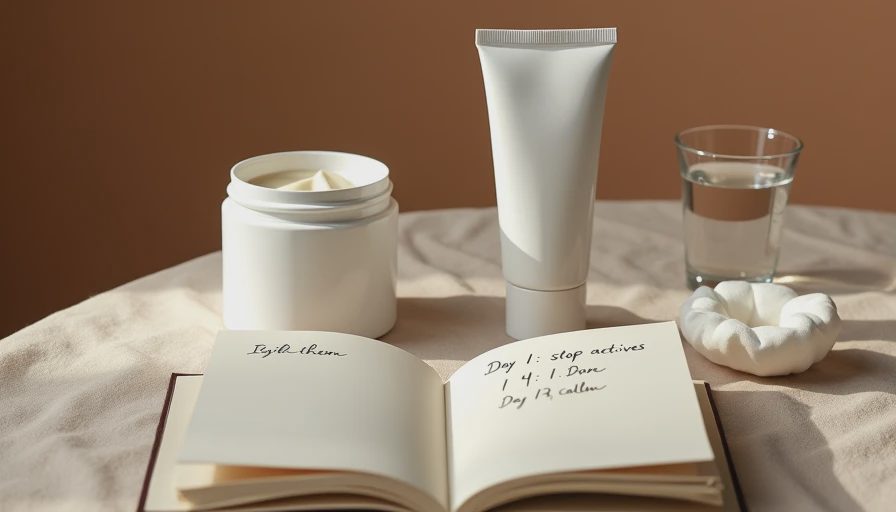
The Night I Thought More Actives Equalled Better Skin
I had been an esthetician for almost a decade when I wrecked my own moisture barrier. That detail still makes me laugh and cringe at the same time. I knew the theory. I taught clients the theory. Then I went home and ignored every rule I repeated all day.
It was a classic overachiever move. I was testing a new 0.5% retinol, a 10% glycolic toner, and a vitamin C serum in the same week because I wanted faster results for a half-face project. I also skipped moisturizer two nights in a row because my skin “felt fine.” By the morning of day five my face was tight, shiny in the wrong places, and stinging when I applied plain water.
The reflection in the mirror looked like mild sunburn mixed with flaky patches. Products that had never bothered me before suddenly burned. My usual sunscreen felt like sandpaper. I had managed to do to myself what I spent years preventing in the treatment room.
What a Compromised Barrier Actually Feels Like
It is not just dryness. A damaged moisture barrier feels reactive. The skin loses water faster than it can hold it (transepidermal water loss), so it gets tight and uncomfortable. The protective lipid layer is disrupted, so everyday ingredients start stinging. Redness shows up in places that were previously calm. Sometimes you get random breakouts because the barrier is no longer keeping irritants out properly.
I wrote the symptoms in my notes the same way I would for a client: stinging on application, flaking on the cheeks and around the mouth, increased sensitivity to wind and hot water, makeup that clung to dry patches. Classic.
The cause was equally classic: too many exfoliating and cell-turnover ingredients stacked too quickly, plus not enough barrier support. Retinol and AHAs are excellent tools. Used without respect for recovery time, they strip the very layer that keeps skin functional.
The Recovery Protocol That Actually Worked
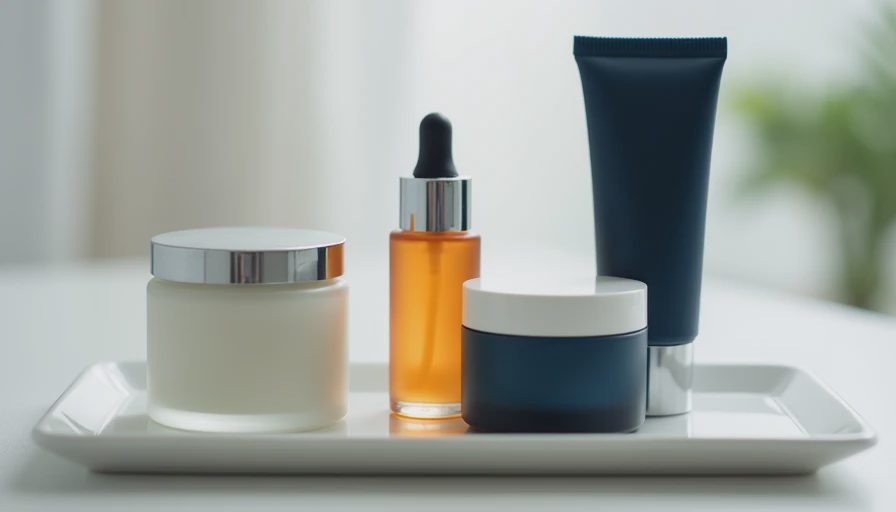
I treated my face the same way I treat a client who comes in with a compromised barrier.
Stop every active immediately. No retinol, no acids, no vitamin C, no scrubs. The skin needs a break from anything that increases turnover or challenges the barrier.
Switch to the gentlest cleanser I owned. Cream or milky, no foam, no fragrance. Lukewarm water only. Pat dry, never rub.
Layer simple hydration and lipids. A plain glycerin or hyaluronic-acid serum on damp skin, followed by a moisturizer rich in ceramides, cholesterol, and fatty acids. Those three lipids are the building blocks the barrier needs to rebuild.
Seal when necessary. On the worst nights I added a thin layer of a bland occlusive (plain petrolatum or a simple balm) over the moisturizer to reduce water loss while I slept.
Sunscreen every single morning. Compromised skin is more vulnerable to UV. I used a gentle mineral formula that did not sting.
Wait. Most barrier recovery takes two to four weeks if you stop the damage and support the repair. Mine took almost three. The stinging faded first, then the flaking, then the tightness. By week four my skin felt normal again and I could slowly reintroduce one active at a time.
I did not add any fancy “barrier-repair” serums with twelve trendy ingredients. The basics worked.
What Every Esthetician Knows (But Rarely Says Out Loud)
We see this pattern constantly. A client starts three new actives at once because social media made it look efficient. Two weeks later they are in the treatment room with red, reactive skin and a bag of products they are afraid to use.
The recovery rules are almost always the same:
Less is more while the barrier is down
Ceramides, cholesterol, fatty acids, and simple humectants are the workhorses
Time is an ingredient
Reintroduce actives one at a time, at lower frequency, only after the skin feels calm again
I still keep a “barrier emergency” kit in the studio: gentle cleanser, ceramide cream, plain occlusive, mineral sunscreen. It gets used more often than I would like.
The Lesson I Keep on the Testing Bench
My own barrier disaster made me slower and more deliberate with everything I test now. When I start a new retinol or acid, I build up gradually and I never drop moisturizer to “let the active work better.” The active works better when the barrier is intact.
It also made me a better esthetician. When a client describes stinging and tightness, I recognize it instantly because I have felt it. I no longer rush them back into actives. We repair first.
If your skin is currently stinging, flaking, or reacting to products that used to be fine, consider the possibility that the barrier needs attention more than it needs another serum. Stop the extras, simplify, support the lipids, and give it time.
Learn the label, then choose. And when the label belongs to an active that is currently making your face unhappy, choose to pause it. Your barrier will thank you, and the results you want will come back faster once the foundation is solid again.


No letters yet — be the first to write.