Finding the best face cream for aging is less about discovering one magical jar and more about matching useful ingredients to your skin's actual needs. After years of reading ingredient labels in spa treatment rooms and testing products at home, I look for three things: dependable moisturization, ingredients with a reasonable amount of evidence behind them, and a price that makes sense for the formula. A beautiful package cannot compensate for a cream that pills, stings, or sits untouched on your bathroom shelf.
What aging skin usually needs from a cream
As skin matures, it often loses water more easily and produces less oil. That can make fine lines look deeper, especially around the eyes, mouth, and forehead. A solid moisturizer helps by supporting the skin barrier rather than trying to behave like a facelift in a pot. Look for humectants such as glycerin, hyaluronic acid, and urea. These attract water and help skin feel more comfortable. Ceramides, fatty acids, and cholesterol are useful barrier-supporting ingredients, while squalane and petrolatum reduce water loss by adding an occlusive layer.
The best face cream for aging should also fit your climate and routine. In dry Colorado air, I often prefer a richer cream at night, while someone in humid Florida may want a lighter lotion. If your skin is oily or prone to clogged pores, a thick balm can feel excessive. If you use a retinoid, exfoliating acid, or prescription treatment, a plain barrier-focused moisturizer may be more helpful than another active-heavy product.
Fragrance is a personal choice, not an automatic dealbreaker. I enjoy a soft scent in a hand cream, but facial skin that is dry, reactive, or recently exfoliated often does better with a fragrance-free formula. The label matters more than the marketing story.

The ingredients I would actually pay for
Retinol is one of the better-known over-the-counter ingredients for improving the appearance of fine lines and uneven texture, but it is not always included in a basic face cream. If it is present, start slowly and use sunscreen during the day. Peptides can support a nice-feeling formula and may help improve the look of firmness over time, although I would not pay luxury prices for a peptide claim alone.
Niacinamide is another practical ingredient. It can help support the barrier and improve the appearance of uneven tone for some users. Glycerin is less glamorous, but I would rather see it near the top of a well-balanced ingredient list than a trendy botanical buried near the end. Panthenol, beta-glucan, colloidal oatmeal, and allantoin can make a moisturizer feel more soothing without turning the product into a complicated treatment.
When comparing the best face cream for aging, I also check what is missing from the claim. “Firming” does not tell you whether the formula contains retinol, peptides, or simply a rich blend of emollients that temporarily smooths the surface. That temporary smoothing still has value, especially before makeup, but it is different from changing the look of fine lines over consistent use.
My half-face testing method
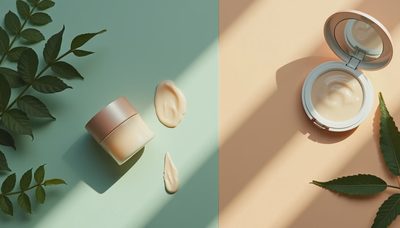
I test one product on the left side of my face and a comparison product on the right, keeping cleanser, sunscreen, and makeup the same. I use each side for at least seven to fourteen days unless there is obvious irritation. The first observations are sensory: Does it spread without dragging? Does it leave a greasy film? Does it pill under sunscreen? Does my skin feel tight two hours later?
Then I look at practical results. I check cheek texture in the same bathroom light, examine dry patches around the nose, and note whether makeup settles into lines more or less than usual. I do not call a product “anti-aging” because my skin feels slippery after one application. That is an emollient effect, and it can be pleasant, but it is not the same as a long-term result.
Packaging affects the test, too. A pump reduces repeated contact with the formula, while a jar requires clean hands and can be inconvenient when you are rushing. A 1.7-ounce jar that costs $80 is about $47 per ounce. A 2-ounce cream at $32 is $16 per ounce. The less expensive product is not automatically better, but the difference deserves attention.
Cost per ounce changes the shopping conversation
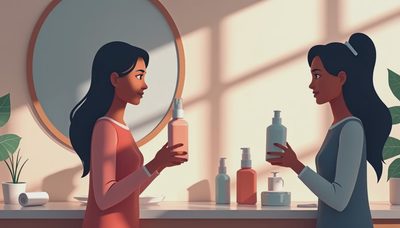
The best face cream for aging does not need to be the most expensive option in the aisle. Drugstore brands such as CeraVe, Vanicream, and La Roche-Posay often focus on barrier ingredients and straightforward textures. Their formulas can be especially sensible if you are already spending money on a retinoid, vitamin C serum, or professional treatment. A moisturizer does not have to carry the entire routine.
Midrange products from brands such as Paula's Choice, First Aid Beauty, or Skinfix can earn a higher price when the texture is unusually comfortable, the packaging is functional, or the formula solves a specific problem. I am willing to pay more for a cream I use every night, but I want to know what that extra money buys. A jar with a $120 price tag and a pleasant scent is not automatically giving you better barrier support than a $25 fragrance-free lotion.
Calculate cost per ounce before comparing sizes. Divide the listed price by the number of ounces, then consider how much you use. A pea-sized amount for the face can make a small tube last longer than expected, while a rich cream used on the neck and hands will disappear faster. Sales, refill packaging, and subscriptions can shift the math, so I record the regular price and the realistic purchase price separately.

How to use a face cream without overcomplicating it
At night, cleanse gently, apply any treatment product according to its directions, and finish with moisturizer. If your skin is sensitive, you can apply cream before a retinoid to reduce the intensity of the first few applications. In the morning, use moisturizer only where you need it, then apply broad-spectrum sunscreen. Sunscreen is the step that protects your investment in every other product; no cream can substitute for it.
Use enough to cover the face and neck with a comfortable layer, but do not keep adding product because the label says “rich.” If the cream rolls into small flakes under sunscreen, try using less, waiting several minutes between layers, or moving the cream to nighttime. If your skin burns, becomes persistently red, or develops a rash, stop the new product and seek professional guidance rather than pushing through.
Introduce one new product at a time. Otherwise, you will not know whether the moisturizer, serum, cleanser, or exfoliant caused a reaction. This simple rule has saved me from many confusing bathroom-counter experiments.
My buying checklist before you commit
The best face cream for aging should answer four practical questions. First, does it contain ingredients that address your concern, such as humectants for dehydration or ceramides for a fragile-feeling barrier? Second, will you enjoy the texture enough to use it consistently? Third, does it layer cleanly with sunscreen or makeup? Fourth, is the cost per ounce reasonable for the amount you receive?
I also check the return policy, expiration guidance, and whether the product has a strong fragrance. If you are buying online, read the full ingredient list rather than relying on a product title. Look at the package size in ounces, not just the jar's visual size. A broad, shallow container can look generous while holding less product than a narrow pump bottle.
My final choice is usually the cream that makes my routine easier. Sometimes that is a $20 pharmacy moisturizer. Sometimes an expensive formula earns its price because the finish is elegant and I use every drop. Either way, the goal is comfortable, supported skin and a purchase you will actually finish. Learn the label, then choose.

No letters yet — be the first to write.