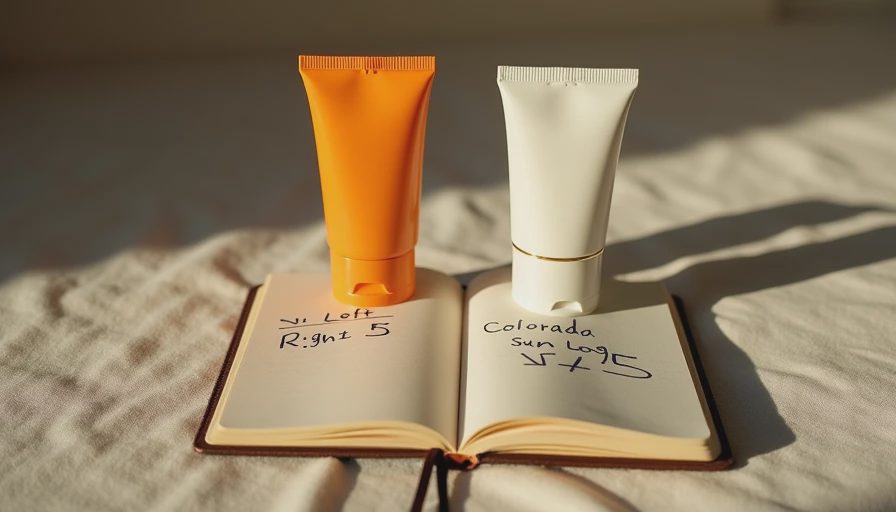
Why Sunscreen Tests Belong on This Site
Sunscreen is the one product I refuse to compromise on, yet it is also the category where people abandon formulas fastest. White cast, greasy finish, stinging eyes, or a texture that pills under makeup—any of those is enough for most of us to reach for a weaker option or skip it entirely.
I live in Boulder. The sun here is intense, the altitude is high, and the UV index regularly climbs higher than coastal cities. If a sunscreen cannot perform under Colorado conditions, it will not make my permanent shelf.
So I ran a classic half-face test.
Left side: a well-reviewed Korean chemical/hybrid sunscreen known for its light texture and minimal white cast.
Right side: a solid American broad-spectrum SPF 50 with a more traditional formulation and stronger “reef-safe” or mineral-leaning marketing.
Same routine otherwise, same application amount (generous), same reapplication schedule when I was outside, same morning photo light. Two full weeks of real wear—commutes, trail runs, working near windows, and a couple of longer outdoor days.
Week One: Texture and First Impressions
Days 1–4
The Korean formula won the texture contest immediately. It spread easily, absorbed without a heavy film, and left almost no white cast on my medium-light skin. Makeup went over it cleanly. The American formula felt thicker, took longer to settle, and left a slight cast that softened after a few minutes but never fully disappeared in bright light.
Both wore fine during normal indoor-outdoor days. No stinging, no breakouts.
Days 5–7
On a longer outdoor morning the difference in finish became clearer. The Korean side stayed more comfortable and less shiny. The American side controlled oil a bit better by afternoon but felt heavier. Neither migrated into my eyes during a short run, which was a relief.
I noted: “Korean is the one I forget I’m wearing. American is the one I notice all day.”
Week Two: Real Colorado Conditions
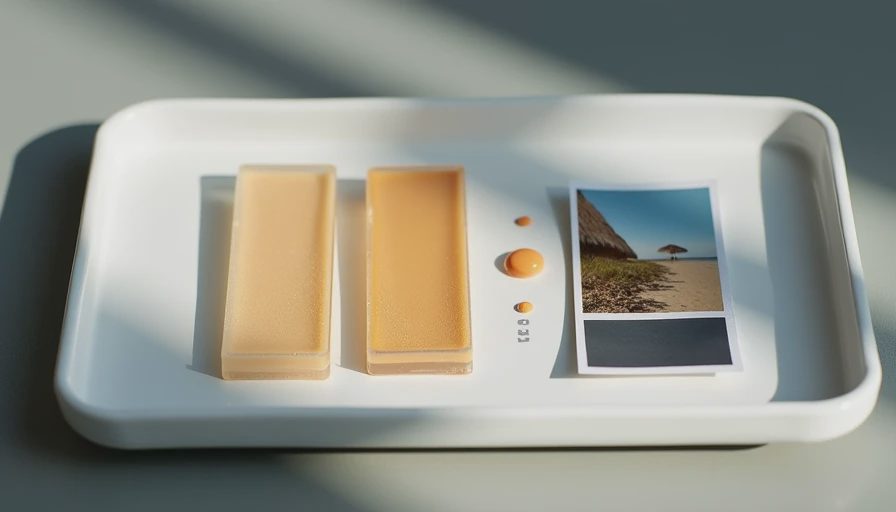
Days 8–11
We had a stretch of high UV and dry wind. Both sides protected my skin—no redness or burning. The Korean formula continued to feel lighter and more elegant. The American formula started to show slight pilling when I layered a moisturizer underneath on cooler mornings. Reapplication was easier with the Korean texture; the American one required more rubbing.
Days 12–14
By the end of two weeks the Korean side looked slightly more even and had less of the “sunscreen face” effect in photos. The American side felt reliably protective and slightly more matte, but the texture never became something I looked forward to applying.
No irritation on either side. No breakouts. Both did the actual job of preventing visible sun damage during the test period.
The Honest Results
After fourteen days under Colorado sun:
Texture and wearability: Korean clear winner
White cast: Korean winner
Oil control by late afternoon: American slight edge
Protection (no visible burn or redness): both performed
Makeup compatibility: Korean better
Desire to reapply: Korean higher
Overall preference for daily use: Korean side
Protection is the non-negotiable. Both delivered. The difference was whether I actually wanted to wear and reapply the product every day. That is the factor that determines real-world results more than any lab SPF number.
Cost-Per-Ounce Reality
Korean sunscreen (typical 50 ml tube): often $12–18.
American counterpart (similar size): often $15–25, sometimes higher for prestige versions.
Cost per ounce is comparable in many cases. You are not automatically paying a huge premium for one country of origin over the other. You are paying for different filter systems, different textures, and different cosmetic elegance.
Korean formulas have led the way in elegant textures and lower white-cast chemical and hybrid filters. Many American formulas emphasize higher mineral content or specific “clean” marketing. Both can be excellent. The half-face test simply shows which one my skin and lifestyle preferred under real conditions.
What I Tell Clients Now
The best sunscreen is the one you will apply generously and reapply. If a formula feels heavy, looks chalky, or stings, you will use less of it or skip it. That defeats the purpose.
I still keep both styles on the testing bench. I reach for the lighter Korean-style textures for everyday and for clients who hate the feel of sunscreen. I reach for more robust American mineral or hybrid options for long high-altitude days or for clients who prefer that finish.
Two weeks is a practical snapshot, not a lifetime study. Filters, formulations, and individual skin differ. But controlled half-face wear under actual sun removes a lot of the marketing noise.
Learn the label, then choose. Check the SPF, the broad-spectrum claim, the texture you will actually tolerate, and the cost-per-ounce. The country on the bottle matters less than whether the product ends up on your face every single morning.
No letters yet — be the first to write.